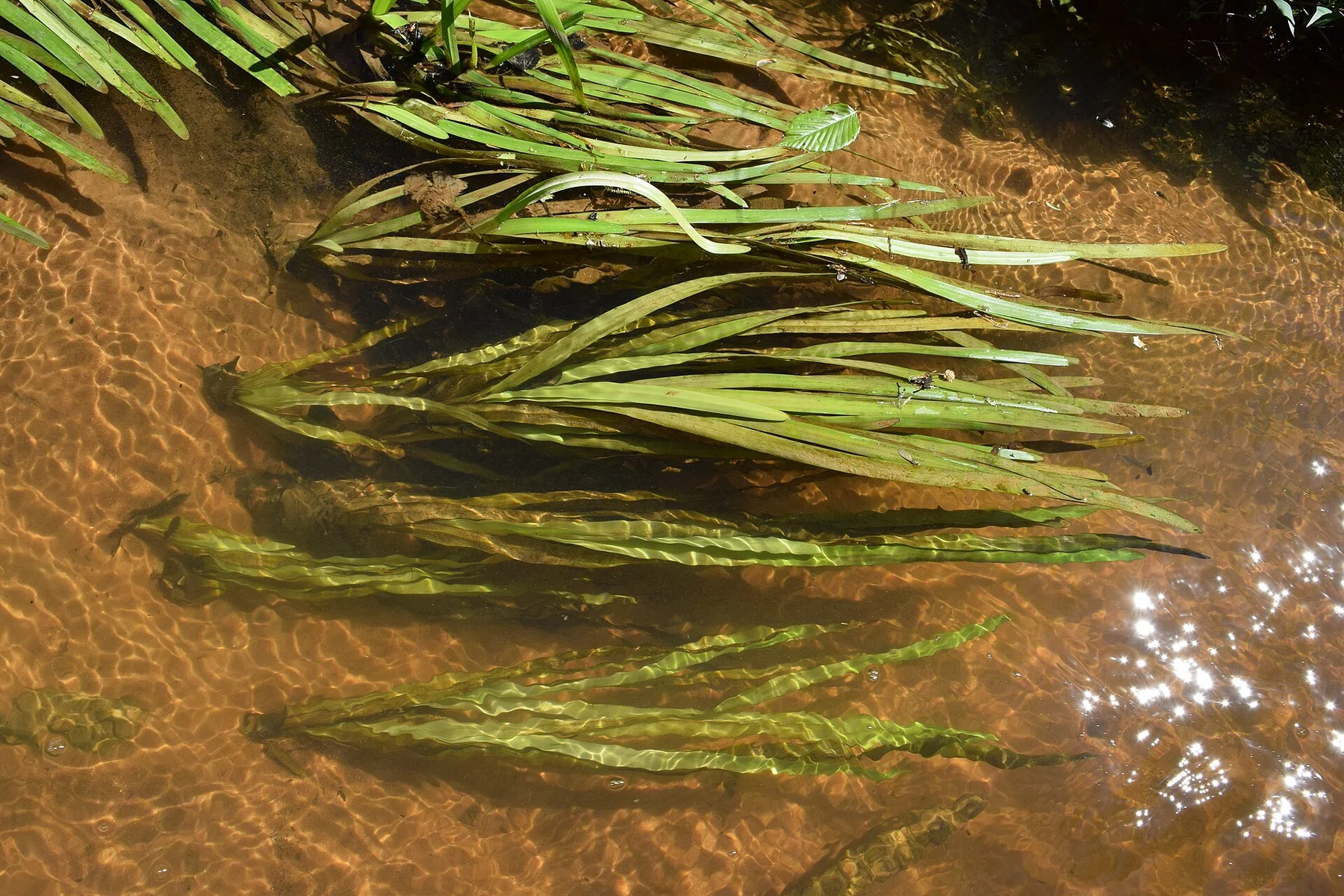
Overview
Sustainable aquarium useFully submerged
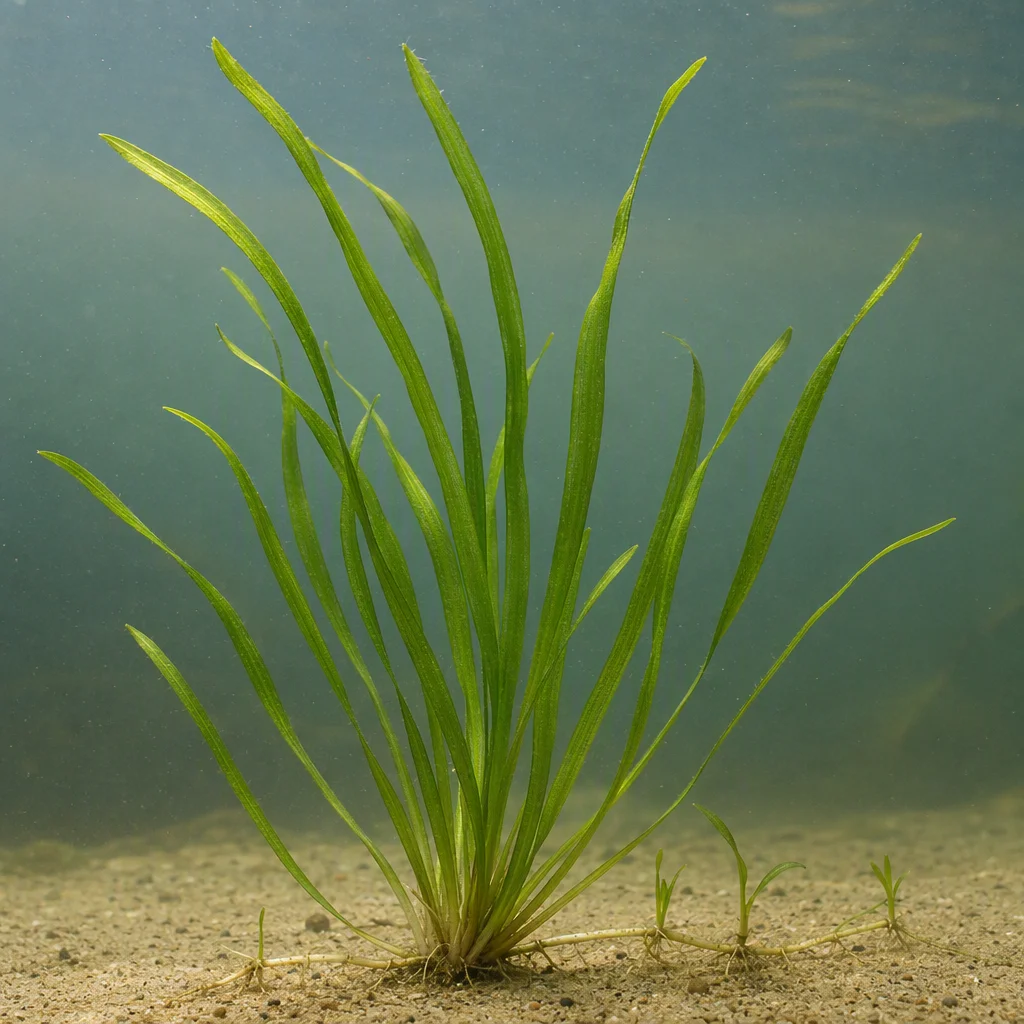
Growth formRosette
Growth habitVertical, Runners
Height20–200 cm
Primary placementBackground
Growth rateFast
Care
Minimum light levelLow
Recommended light levelMedium
CO₂ requirementNot required
Nutrient uptakeRoot
Substrate requirementsRooting required
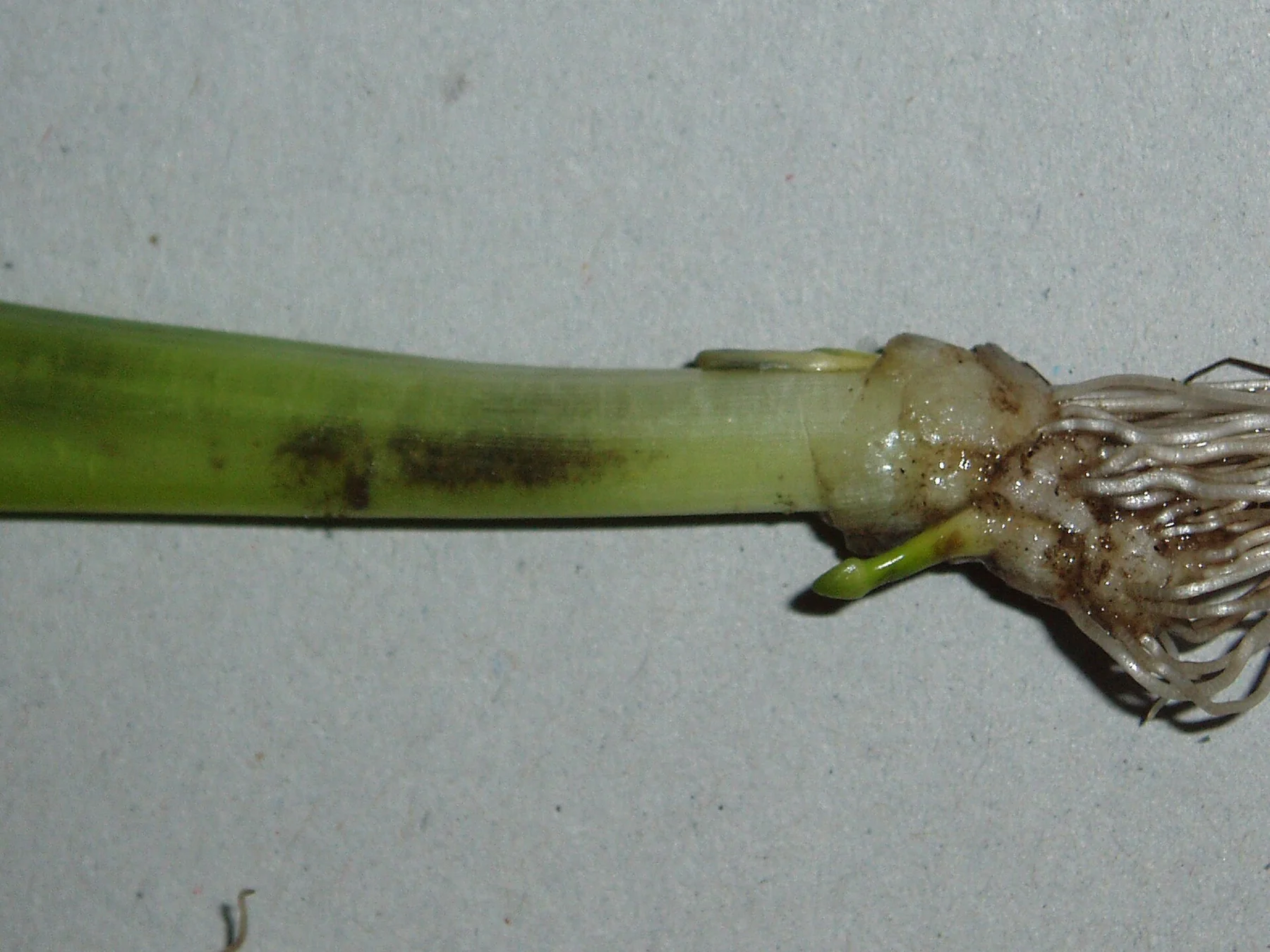
PlantingPlant with roots in nutrient-rich substrate (coarse sand or fine gravel, at least 3–7 cm thick), keeping the growth point (crown) above the substrate surface. Group planting on the background or midground is recommended. Clay can be added under the roots. The plant propagates via runners; daughter rosettes are separated after 3–4 leaves and root tips have formed.
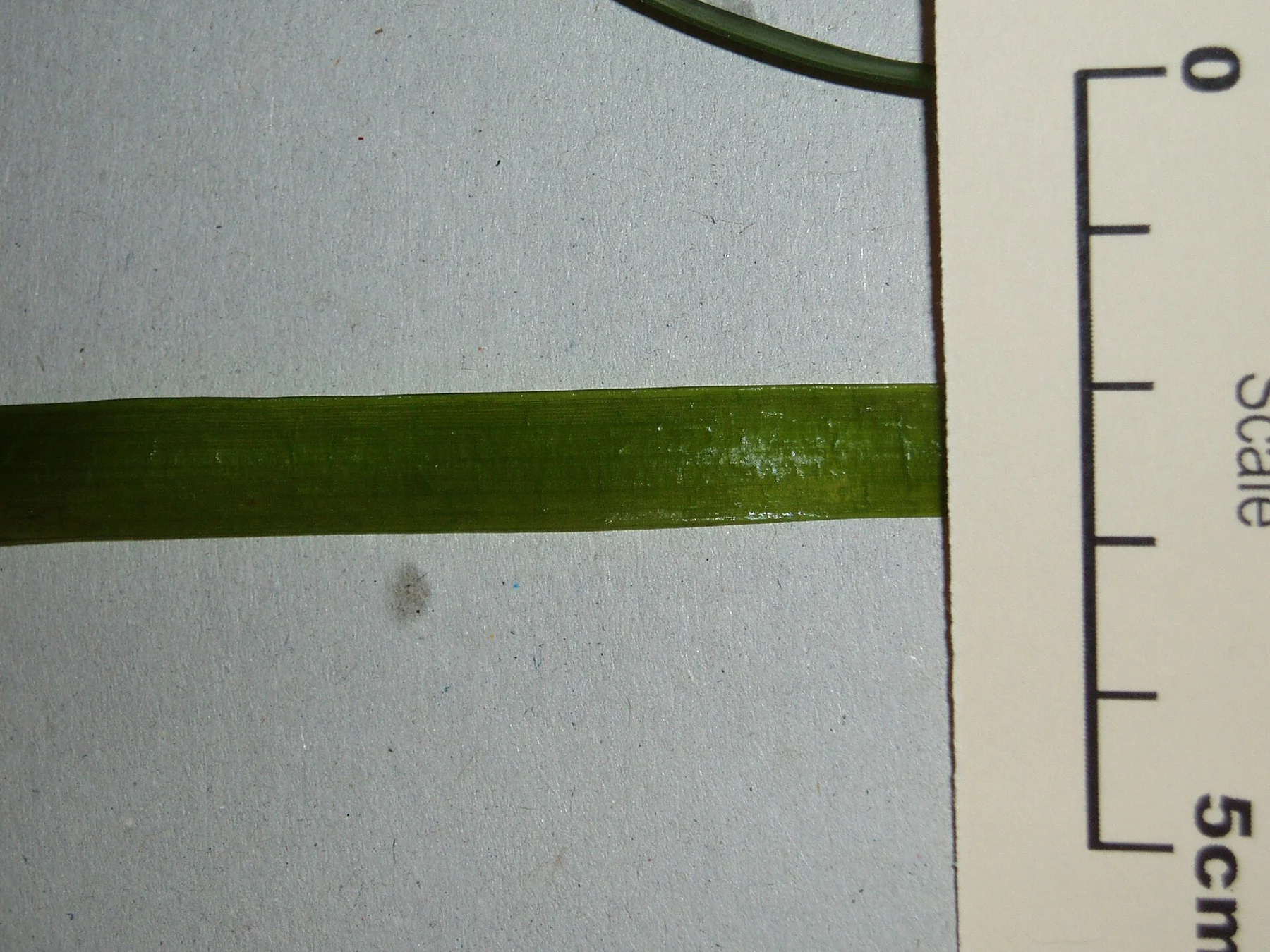
MaintenanceA hardy plant that requires minimal care. It is planted in substrate (fine gravel 2–6 mm, layer at least 3 cm), without burying the crown (rosette). The plant rapidly spreads via stolons, so periodic thinning and removal of excess shoots are necessary. Long leaves are trimmed with sharp scissors at an angle at the water surface. Prefers moderately hard water with pH 6.5–8 and temperature 20–28 °C. Root tab fertilization is desirable but not essential — natural sedimentation of the substrate is sufficient. It does not tolerate liquid fertilizers based on glutaraldehyde (liquid CO₂), which cause leaf decay.
Compatibility
CompatibilityVallisneria americana is a versatile background plant compatible with most peaceful aquarium fish and invertebrates: livebearers (guppies, mollies, platies), tetras, rasboras, danios, gouramis, corydoras, otocinclus, shrimps (Neocaridina, Caridina), and snails. Its tough, sturdy leaves are generally not eaten by herbivorous fish, and its strong root system allows it to withstand contact with active and even aggressive cichlids. It is not recommended to keep with large burrowing or herbivorous fish (goldfish, silver dollars, oscars, large cichlids), which may damage or uproot the plant. The plant is incompatible with liquid fertilizers based on glutardaldehyde (liquid CO₂). Vallisneria does not tolerate copper well, which is present in some fish medications.
Leaf toughnessTough
Rooting stabilityStrong
Structural fragilityFragile
Aquarium toxicity riskAmerican Vallisneria is non-toxic to aquarium inhabitants. It is safe for fish, shrimp, and invertebrates. The leaves are stiff and usually not eaten by herbivorous fish, but they do not pose a danger to them. Avoid using liquid carbon (glutaraldehyde), which can damage the plant.
Disposal warningVallisneria americana is a fast-growing plant capable of vegetative reproduction by fragments; in some regions (e.g., California), it is considered potentially invasive. Recommendations for safe disposal of aquarium plants include preventing their release into natural water bodies.
 Reference illustration · may contain inaccuracies