Overview
Sustainable aquarium useFully submerged, Paludarium
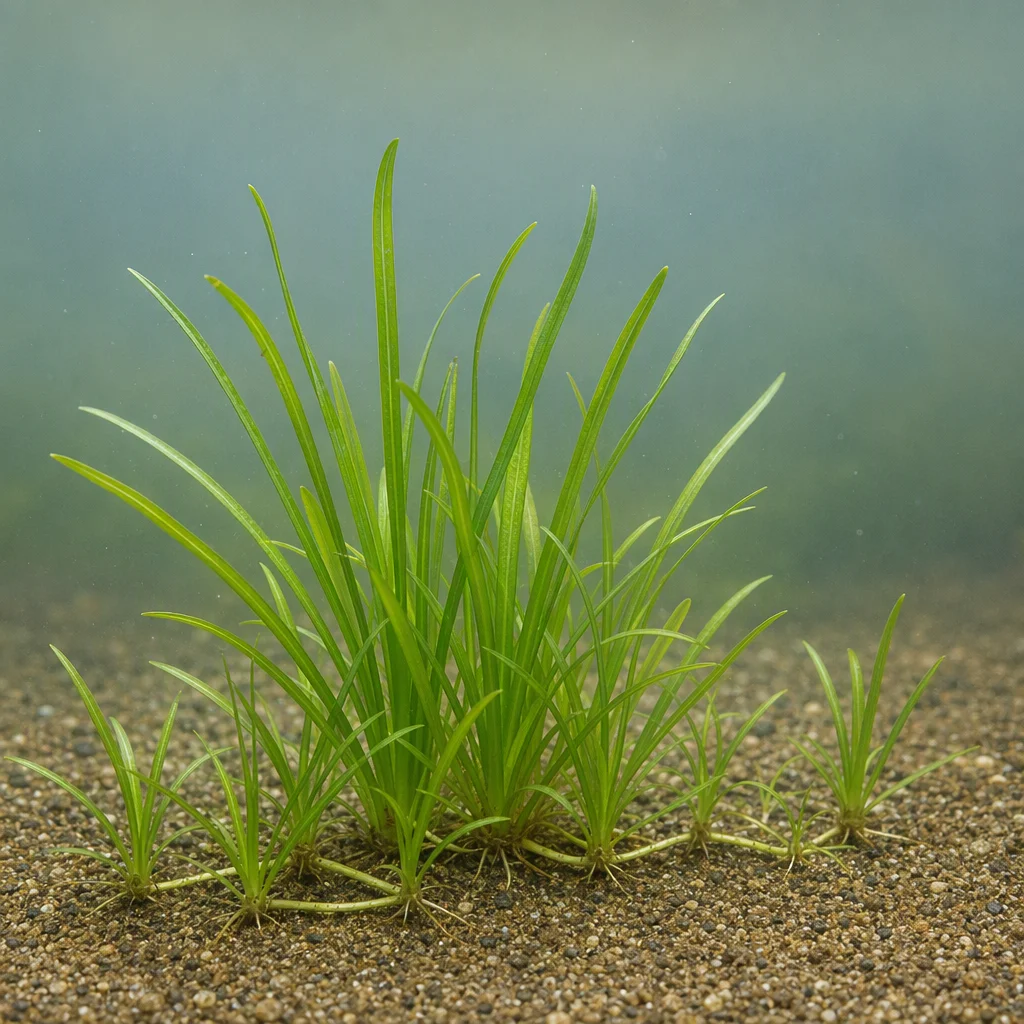
Growth formRosette
Growth habitRunners, Carpeting
Typical submerged height5–30 cm
Typical width or spread10–30 cm
Primary placementForeground
Growth rateFast
Care
Minimum light levelLow
Recommended light levelMedium
CO₂ requirementNot required
Nutrient uptakeRoot
Substrate requirementsRooting required
PlantingRosettes are planted in shallow nutrient-rich substrate at a distance of 3–5 cm from each other, fully burying the roots but leaving the growth point (crown) above the substrate surface; in inert substrate, root tablets are placed near each group.
MaintenanceThe plant is undemanding: moderate lighting and nutrient-rich fine substrate (or root fertilizers) are sufficient. CO₂ is not necessary but accelerates growth. Regular thinning and pruning of rapidly spreading stolons are important to maintain a compact carpet; it is sensitive to iron deficiency, so liquid fertilizers with potassium and iron are beneficial.
Compatibility
CompatibilityIt pairs well with small schooling fish (rasboras, tetras) and otocinclus; avoid goldfish, large cichlids, and burrowing herbivorous species that uproot stolons and damage open ground areas.
Leaf toughnessFirm
Rooting stabilityStrong
Structural fragilityOrdinary
Aquarium toxicity riskNo reliable data on the toxicity of Sagittaria subulata for fish, shrimp, or snails have been found; many aquarium sources consider the plant safe for aquatic inhabitants, but an authoritative toxicological classification is absent.
Disposal warningDo not dispose of Sagittaria subulata and its fragments into natural water bodies or drain water containing plant residues without disposal: the species can spread aggressively vegetatively and, in some regions (e.g., Auckland, New Zealand), is included in regional pest control plans; dispose of the plant as household waste in a sealed bag.

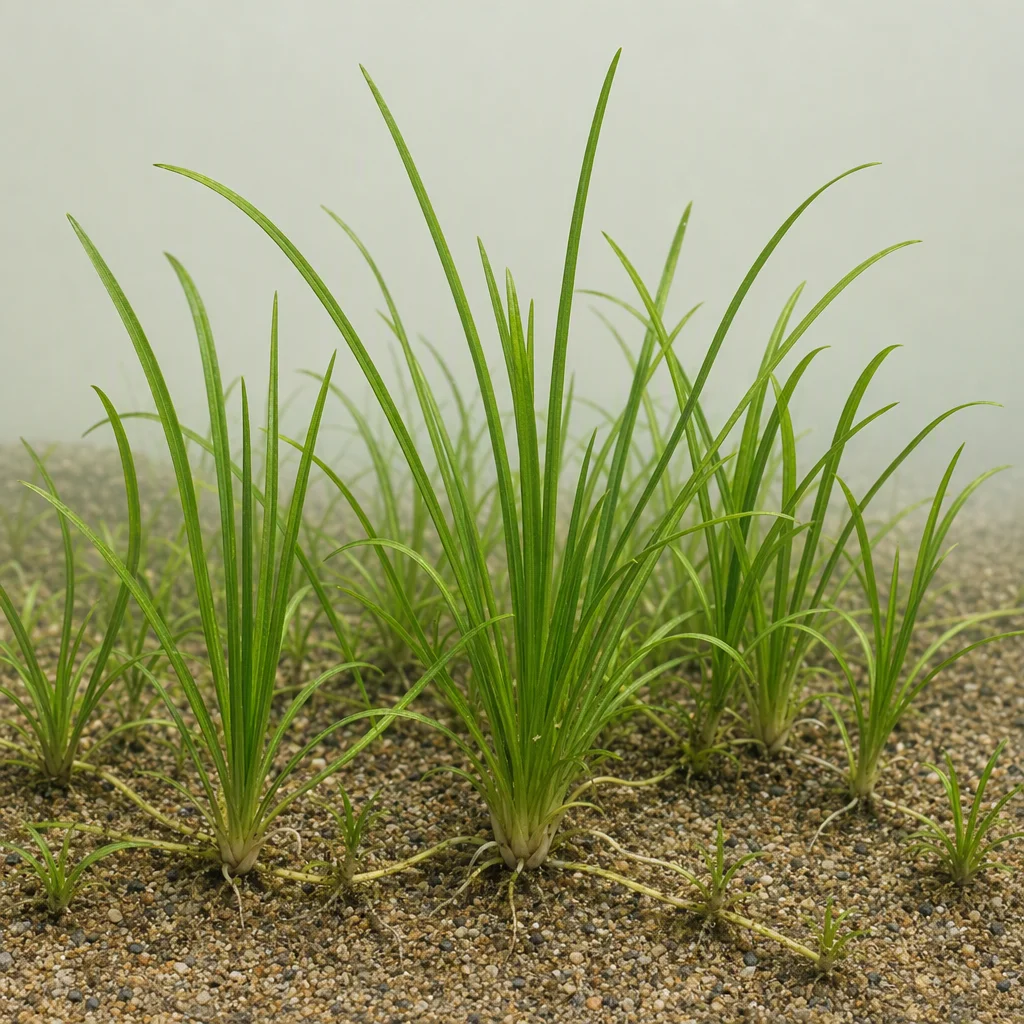 Reference illustration · may contain inaccuracies