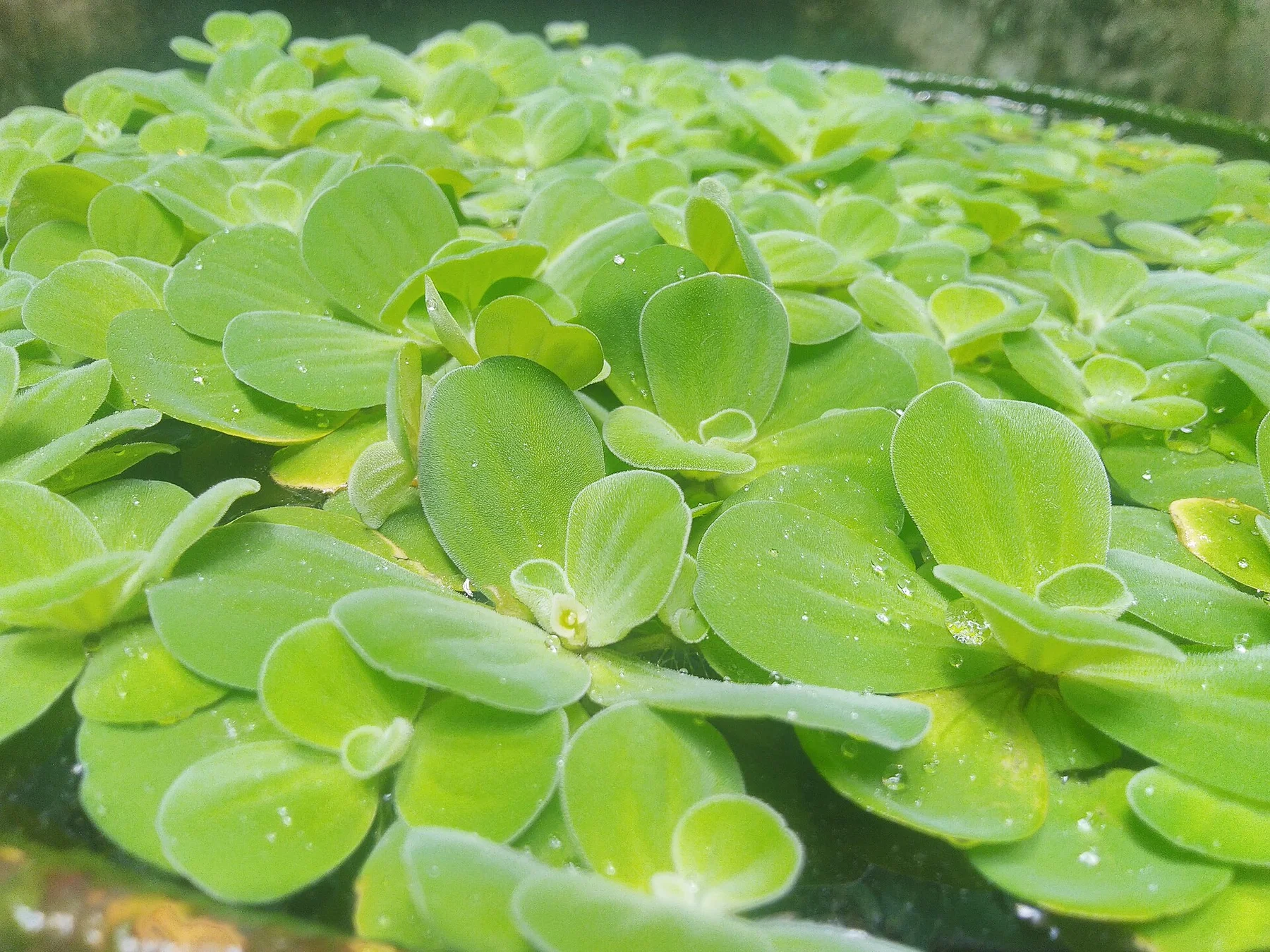
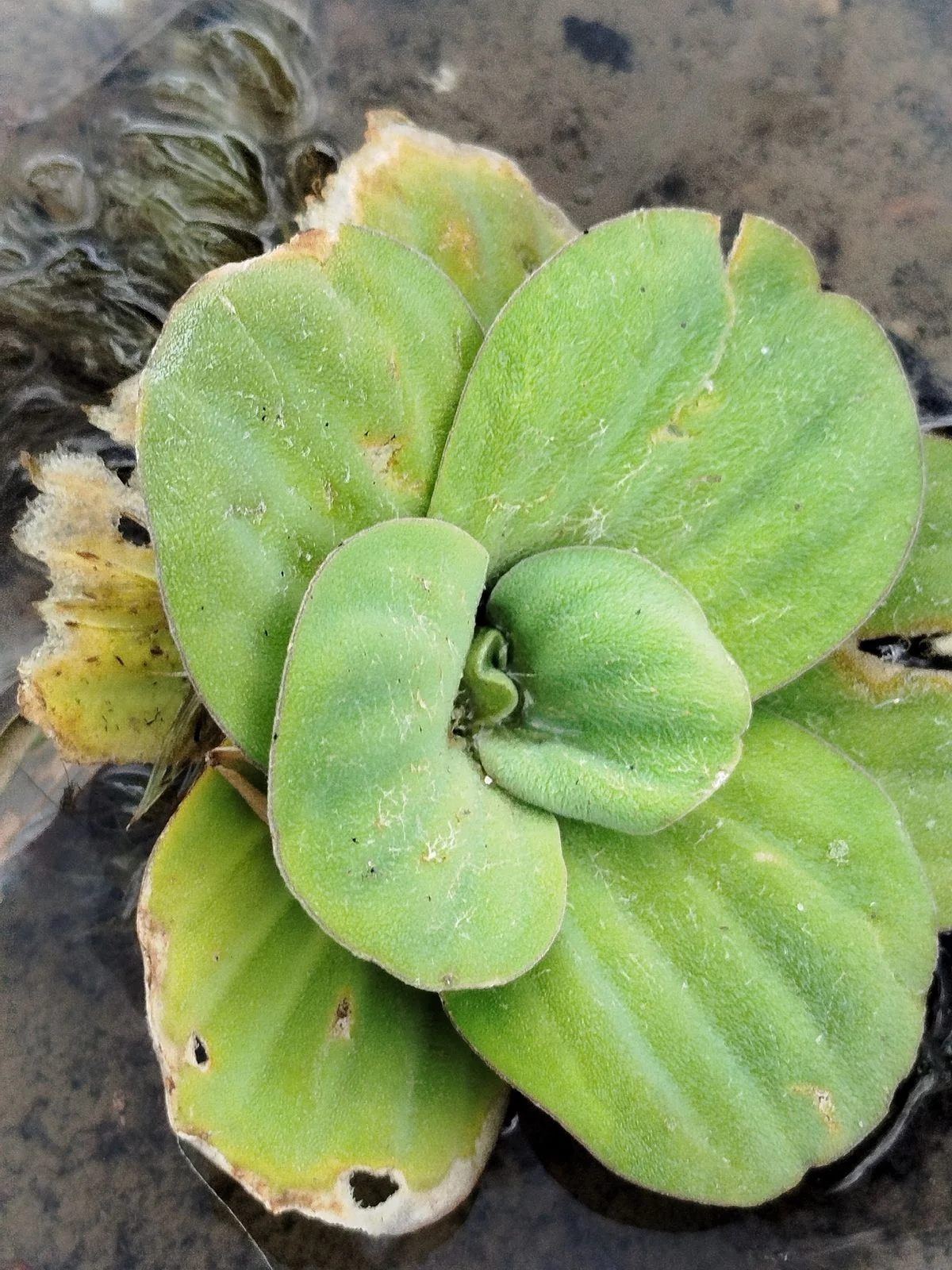
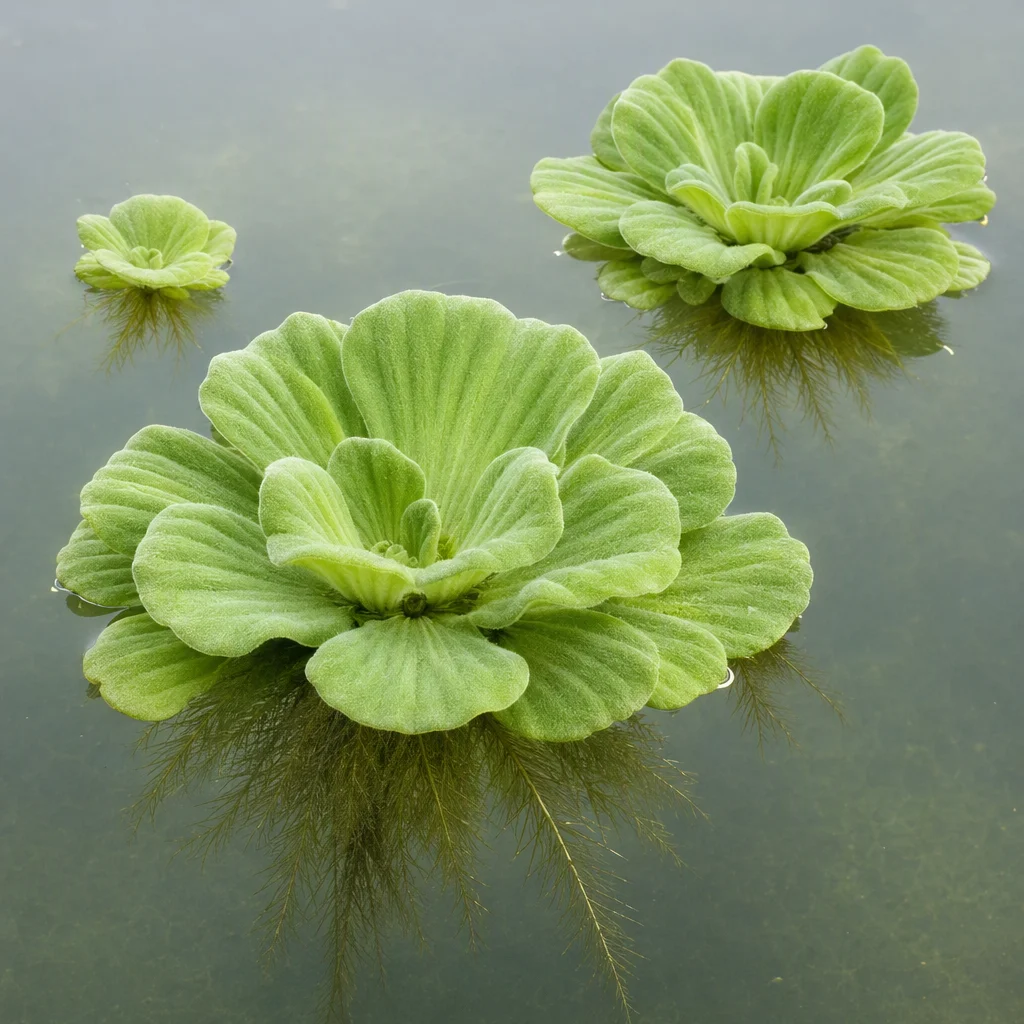
Overview
Sustainable aquarium useFloating
Growth formFloating
Growth habitFloating colony
Typical width or spread5–30 cm
Primary placementSurface
Growth rateFast
Care
Minimum light levelMedium
Recommended light levelMedium
CO₂ requirementNot required
Nutrient uptakeMixed
Substrate requirementsNone
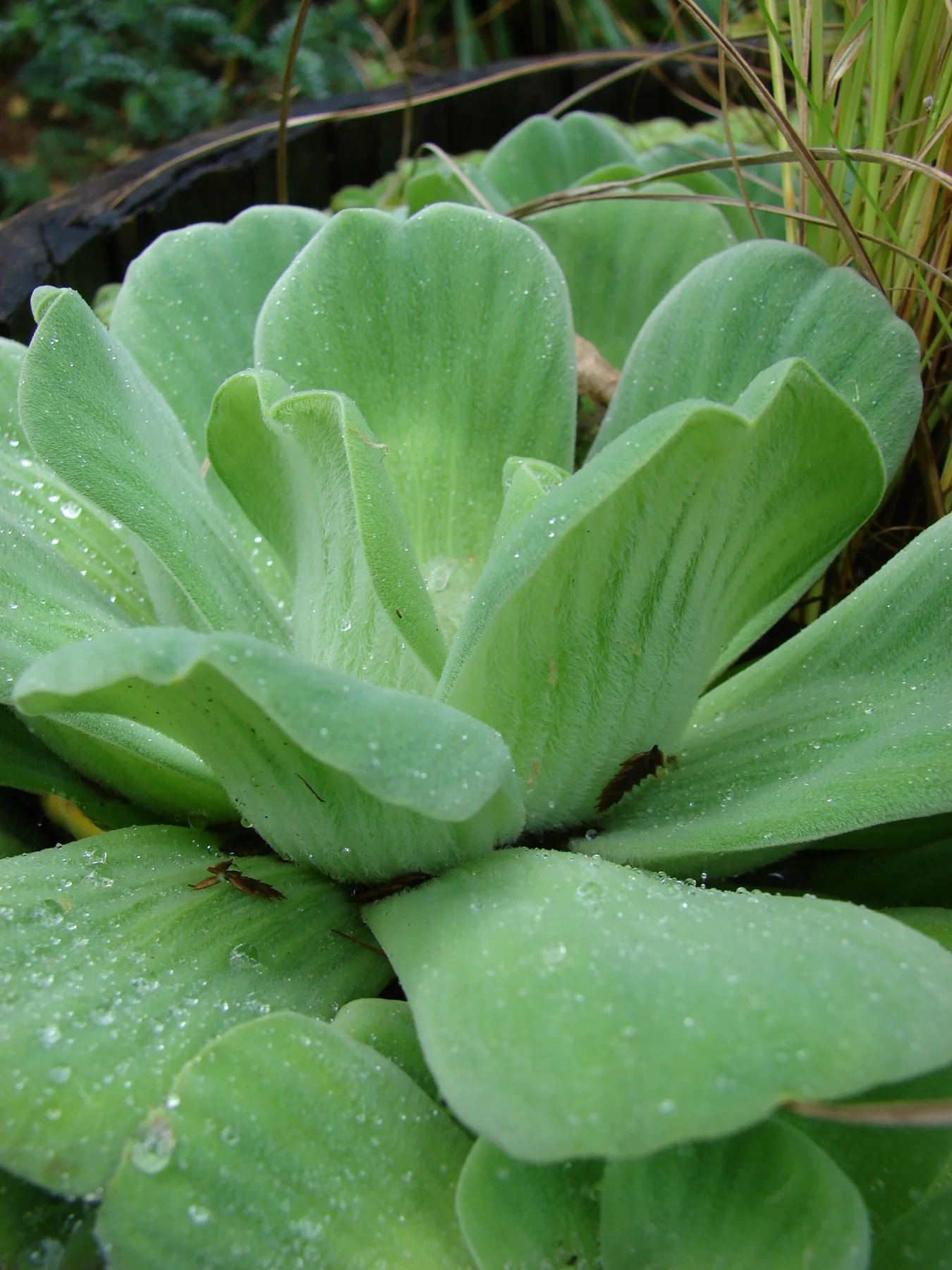
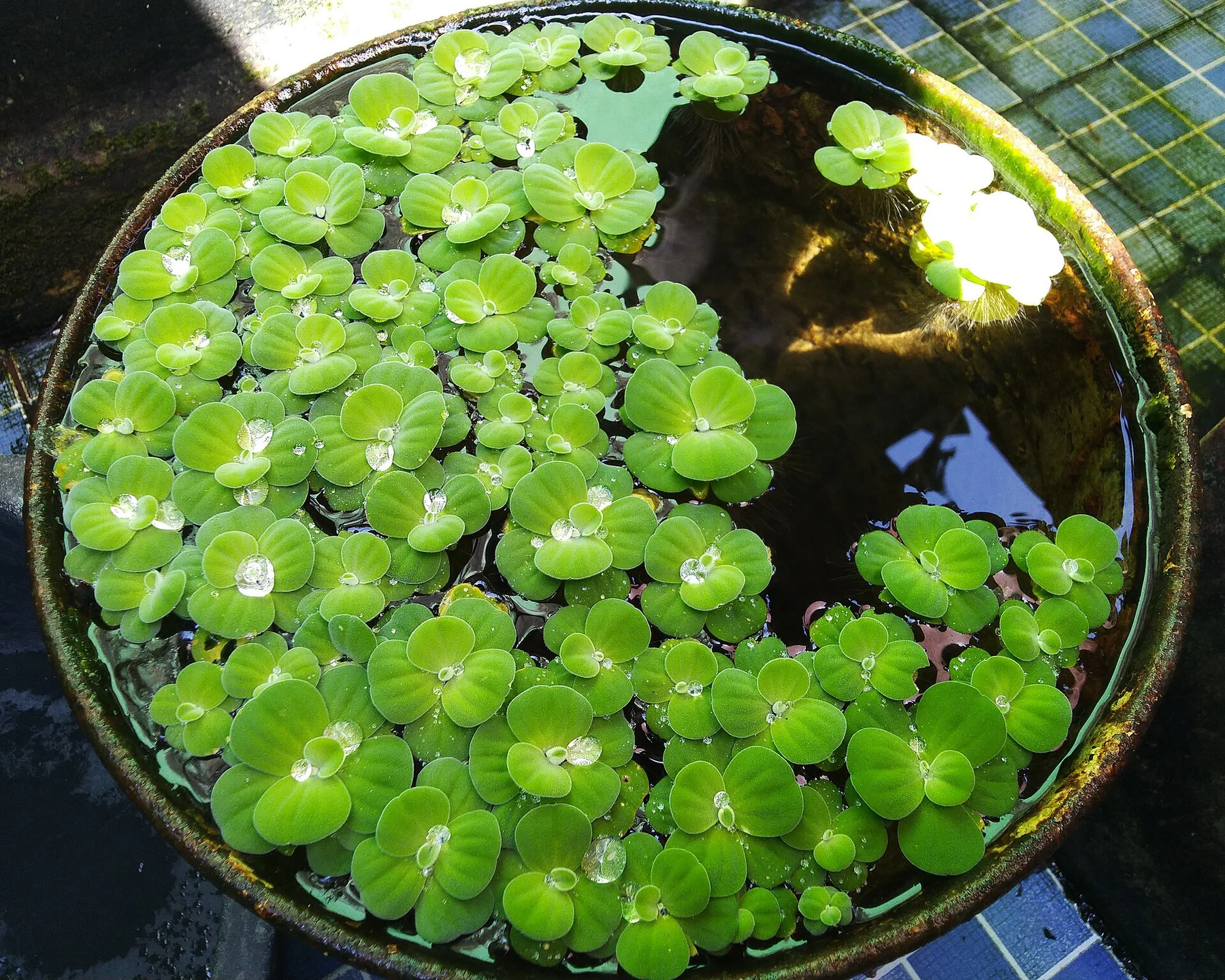
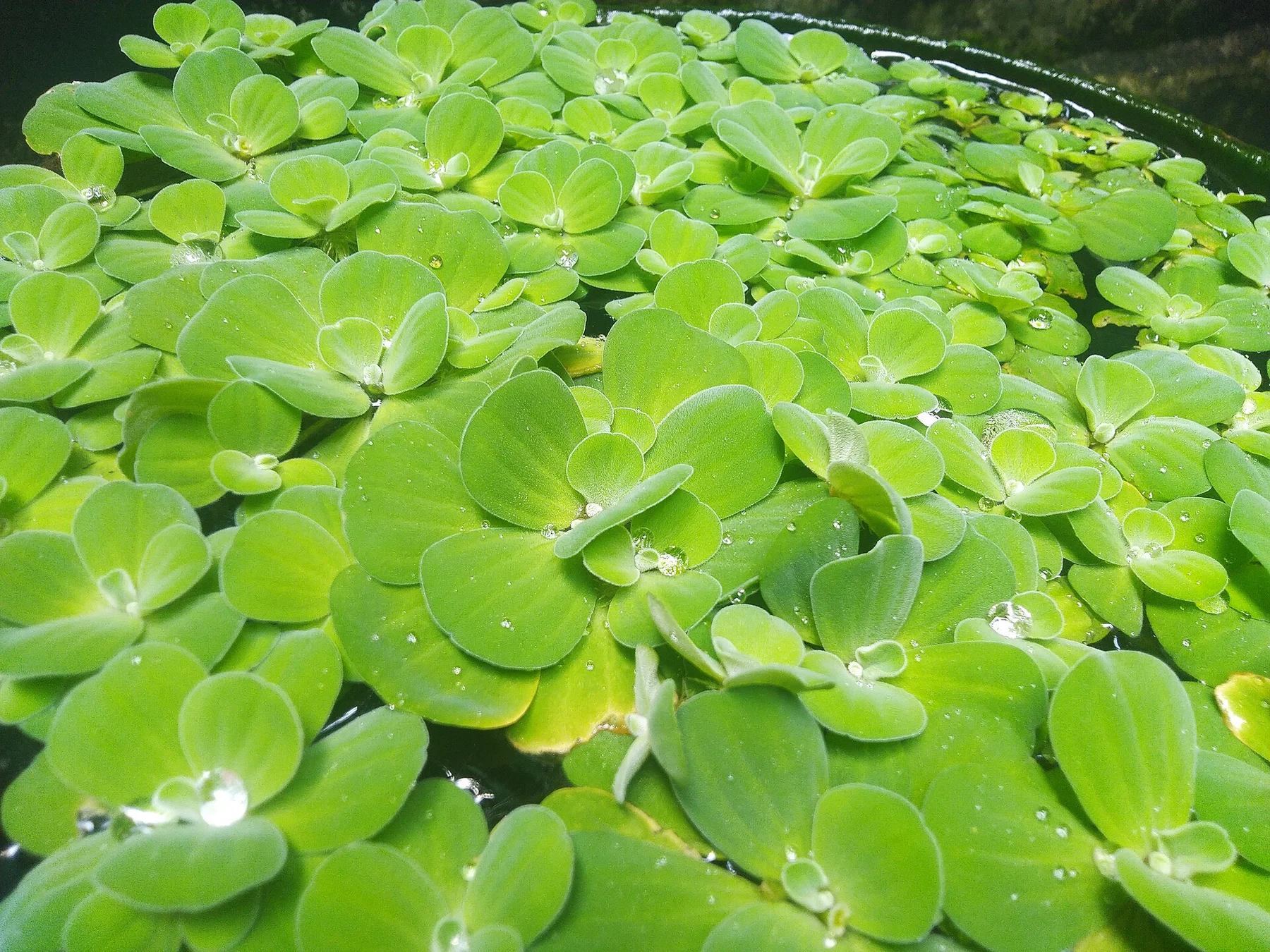
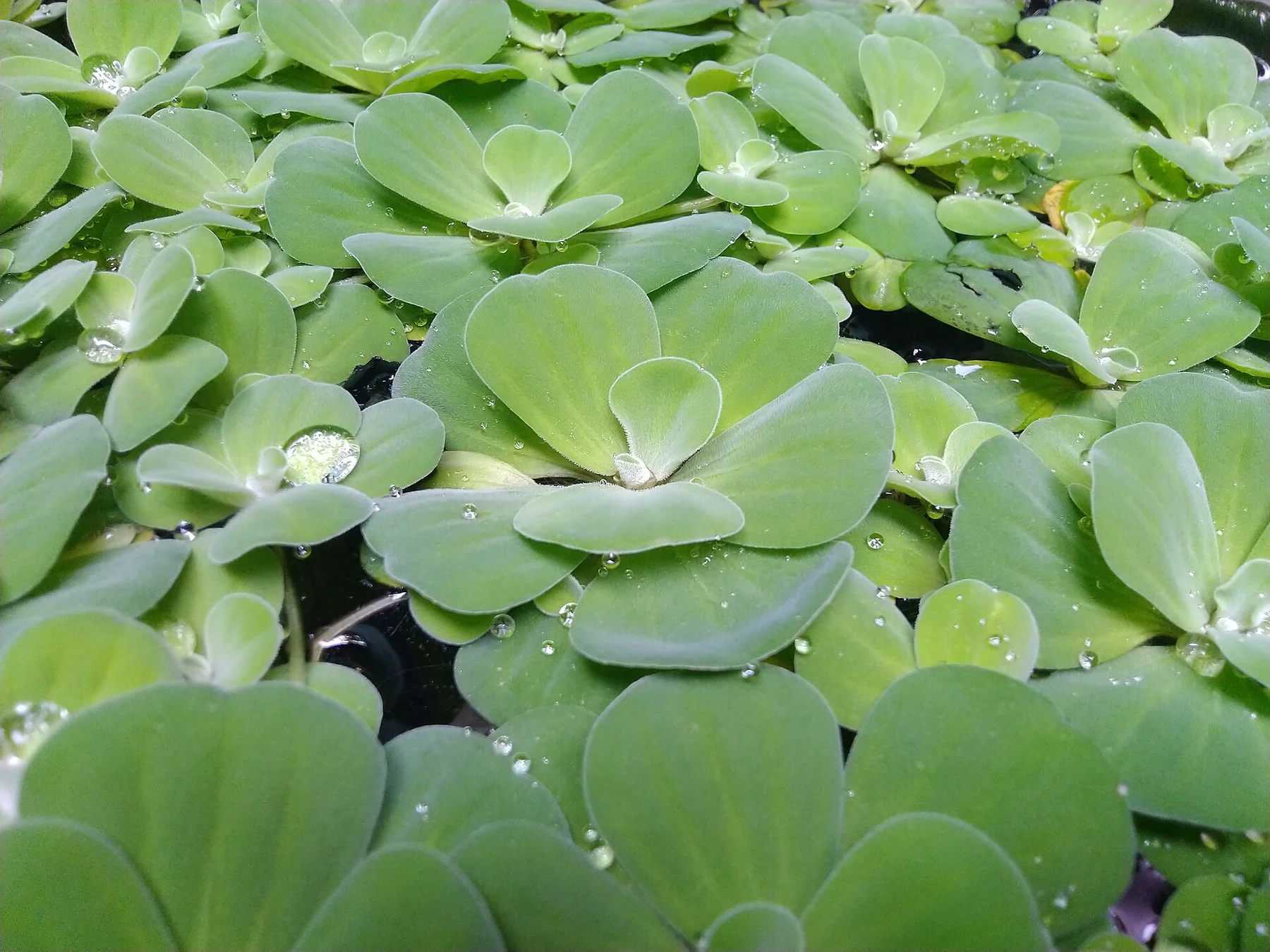
PlantingWater lettuce is not planted in substrate: rosettes are simply placed on the water surface, ensuring that the top of the leaves remains dry; in closed aquariums with condensation on the lid, the plant may rot, so open containers or good ventilation are preferred.
MaintenanceWater lettuce is a free-floating plant that does not require planting in substrate. Basic care involves providing bright lighting (about 10–12 hours per day), maintaining warm water (approximately 24–30 °C), and high humidity above the surface, so it is recommended to cover the aquarium with a lid or cover glass. The plant reproduces quickly through stolons, and excess daughter rosettes should be regularly removed to prevent shading the aquarium; long roots can be trimmed if necessary.
Compatibility
CompatibilityPistia is compatible with most peaceful freshwater fish and invertebrates: its long roots provide shelter for fry and substrate for spawning fish that lay eggs at the surface, and the plant itself cleans the water from organics and heavy metals. It is advisable to avoid keeping it with herbivorous species — goldfish, koi, and some cichlids, which nibble on leaves and roots; also, pistia does not tolerate strong currents and condensation on the leaves.
Leaf toughnessSoft
Rooting stabilityNone
Structural fragilityFragile
Aquarium toxicity riskAll parts of water lettuce contain calcium oxalate crystals (raphides), which can cause irritation and inflammation of the oral mucosa when chewed; in the aquarium, the plant is generally safe, but fish that actively eat the leaves may experience irritation.
Disposal warningWater lettuce is an invasive species listed as a concern by the European Union (from August 2, 2024); it is prohibited to release into natural water bodies, and dead or removed plants and fragments must be fully dried, frozen, or composted in closed conditions before disposal with household waste to prevent accidental spread.
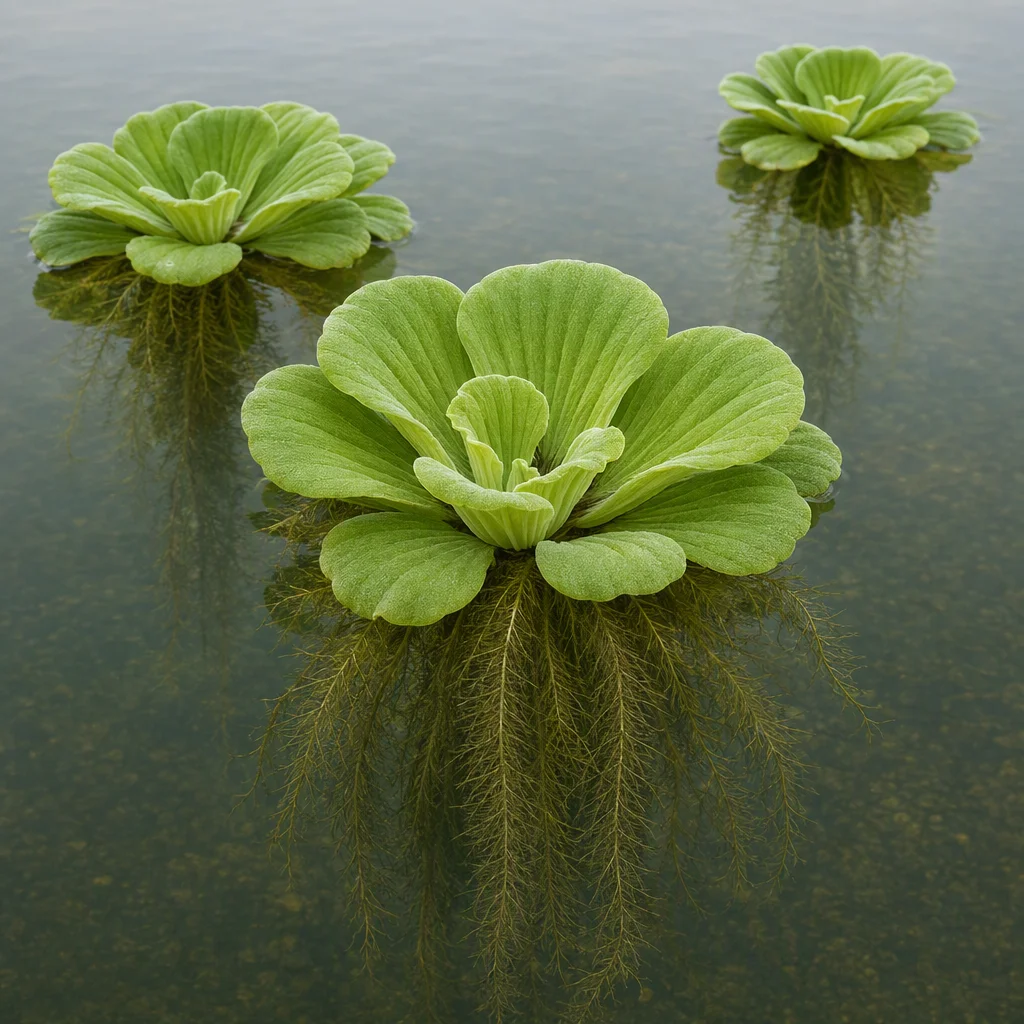 Reference illustration · may contain inaccuracies