Overview
Sustainable aquarium useFully submerged, Floating
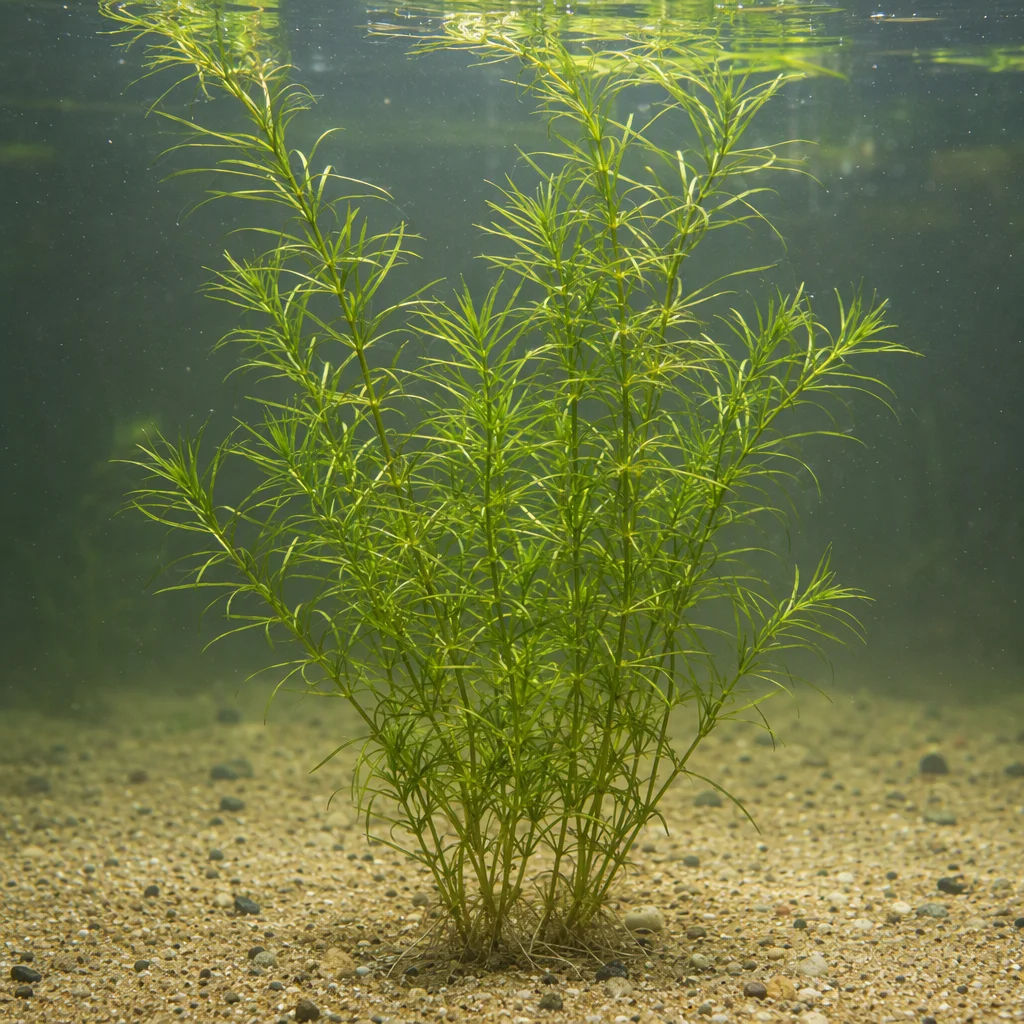
Growth formStem
Growth habitVertical, Branching
Height30–90 cm
Primary placementBackground
Growth rateFast
Care
Minimum light levelLow
Recommended light levelMedium
CO₂ requirementNot required
Nutrient uptakeWater column
Substrate requirementsAnchoring only
PlantingThe plant can be left floating freely in the water column or planted in substrate in bunches, slightly burying the lower part of the stem (2–3 cm); the root system is weak and mainly serves for anchoring. When planting, stems are divided into separate bunches with an interval of 2–3 cm to form a dense curtain. Rooting is not necessary — the plant grows well floating.
MaintenanceCare is simple but requires regular monitoring due to rapid growth. About 20–25% of water should be replaced weekly (the plant grows better in fresh water). Overgrown shoots should be periodically pruned and thinned to prevent the naiad from shading neighboring plants and taking over the entire volume; broken and fallen stem and leaf fragments should be removed promptly as they can clog the filter. The plant is fragile — handle with care (catching fish with a net, cleaning). It mainly absorbs nutrients from water, so liquid fertilizers with potassium and iron are beneficial about once a month; substrate fertility is not important. When planted in substrate, the lower part may become exposed over time, so periodic replanting or rejuvenation with cuttings is recommended.
Compatibility
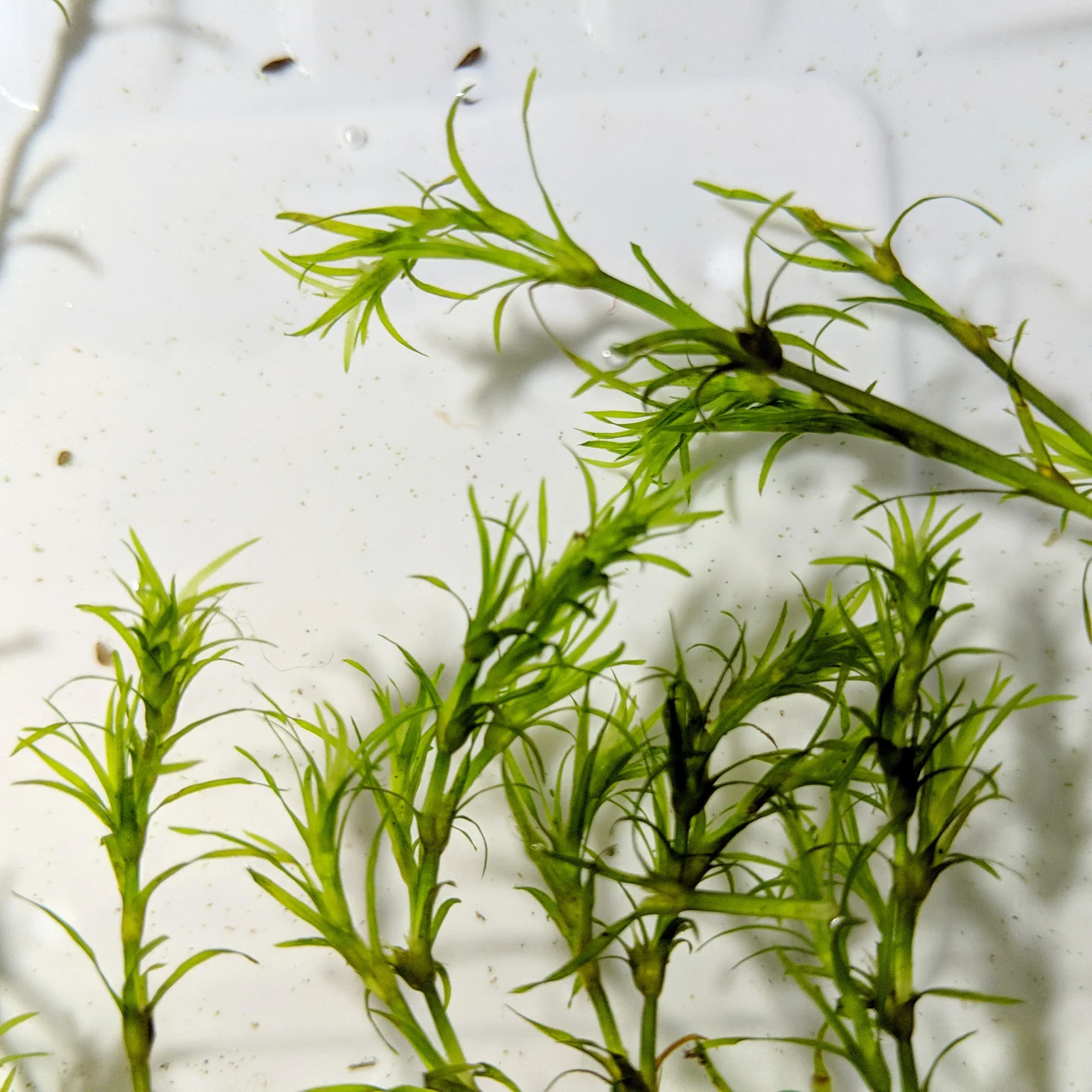
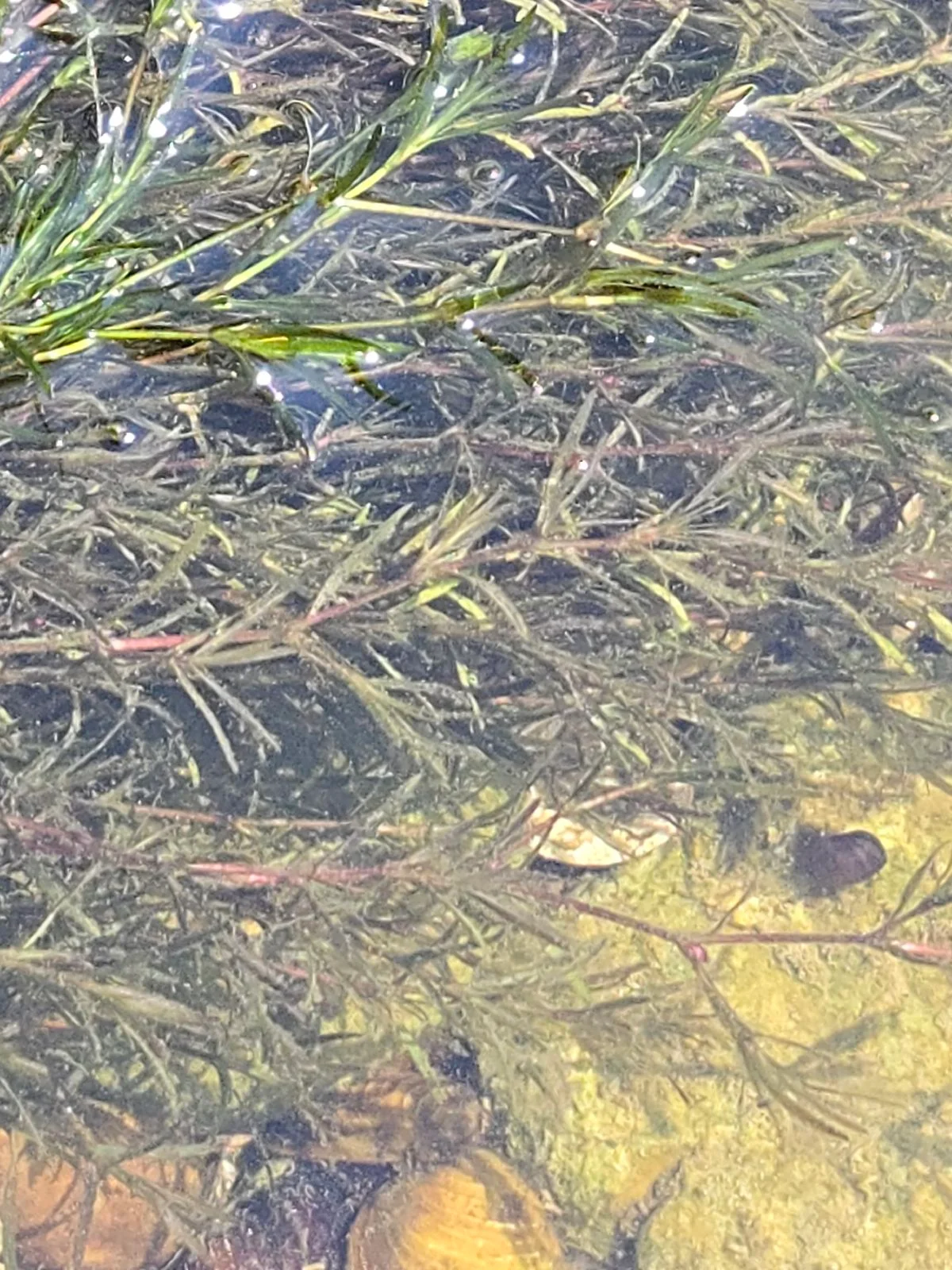
CompatibilityNajas guadalupensis is considered one of the best 'service' plants for breeding and fry tanks: its dense, lacy thickets provide excellent cover and spawning substrate, where fry (especially livebearers like guppies, platies, and swordtails), shrimp, and snails can hide. The plant is compatible with peaceful, schooling, and sociable fish (guppies, tetras, etc.) and shrimp keepers. However, it is incompatible with large herbivorous fish (e.g., goldfish) and some barbs, which nibble and break the delicate shoots; due to its very fragile stems, plant fragments can clog filters. Its rapid growth requires monitoring to prevent dense thickets from shading and outcompeting other plants.
Leaf toughnessSoft
Rooting stabilityWeak
Structural fragilityFragile
Aquarium toxicity riskNo reliable information on the toxicity of Najas guadalupensis to fish and invertebrates in the aquarium has been found. The plant is widely used in breeding and shrimp tanks as cover for fry and shrimp; specialized sources confirm its safety for Neocaridina, Caridina, and snails. The only practical issue is fragile broken fragments that can clog filters, but this is not a toxic risk.
Disposal warningGuadalupian water nymph propagates easily by stem fragments and can form dense thickets in natural waters, displacing native species and clogging waterways; in some regions (e.g., New Zealand), it is recognized as an undesirable organism with bans on cultivation, sale, and release. Never dispose of cuttings or whole plants into natural waters, storm drains, or toilets. Before disposal, dry the plant material, freeze it, or treat with hot water (at least 55°C for 20 minutes), then discard in household waste.
 Reference illustration · may contain inaccuracies