Overview
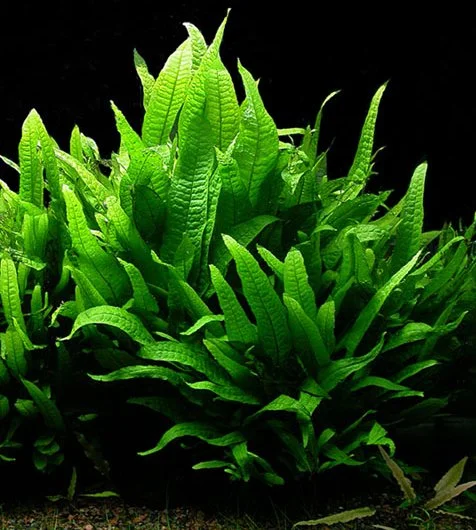
Sustainable aquarium useFully submerged, Paludarium
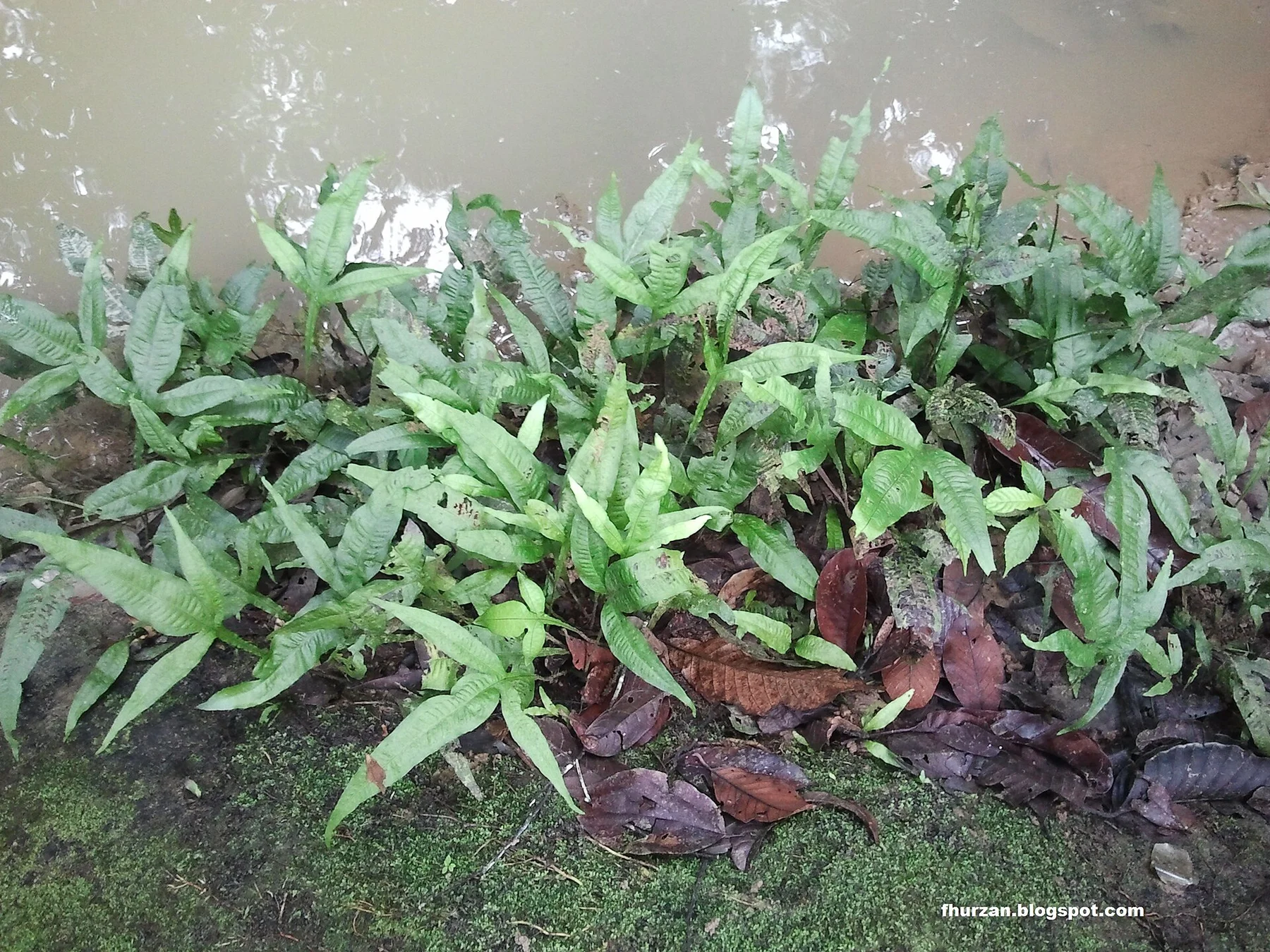
Growth formAttached epiphyte
Growth habitCreeping
Height15–30 cm
Primary placementMidground
Growth rateSlow
Care
Minimum light levelLow
Recommended light levelLow
CO₂ requirementNot required
Nutrient uptakeWater column
Substrate requirementsNone
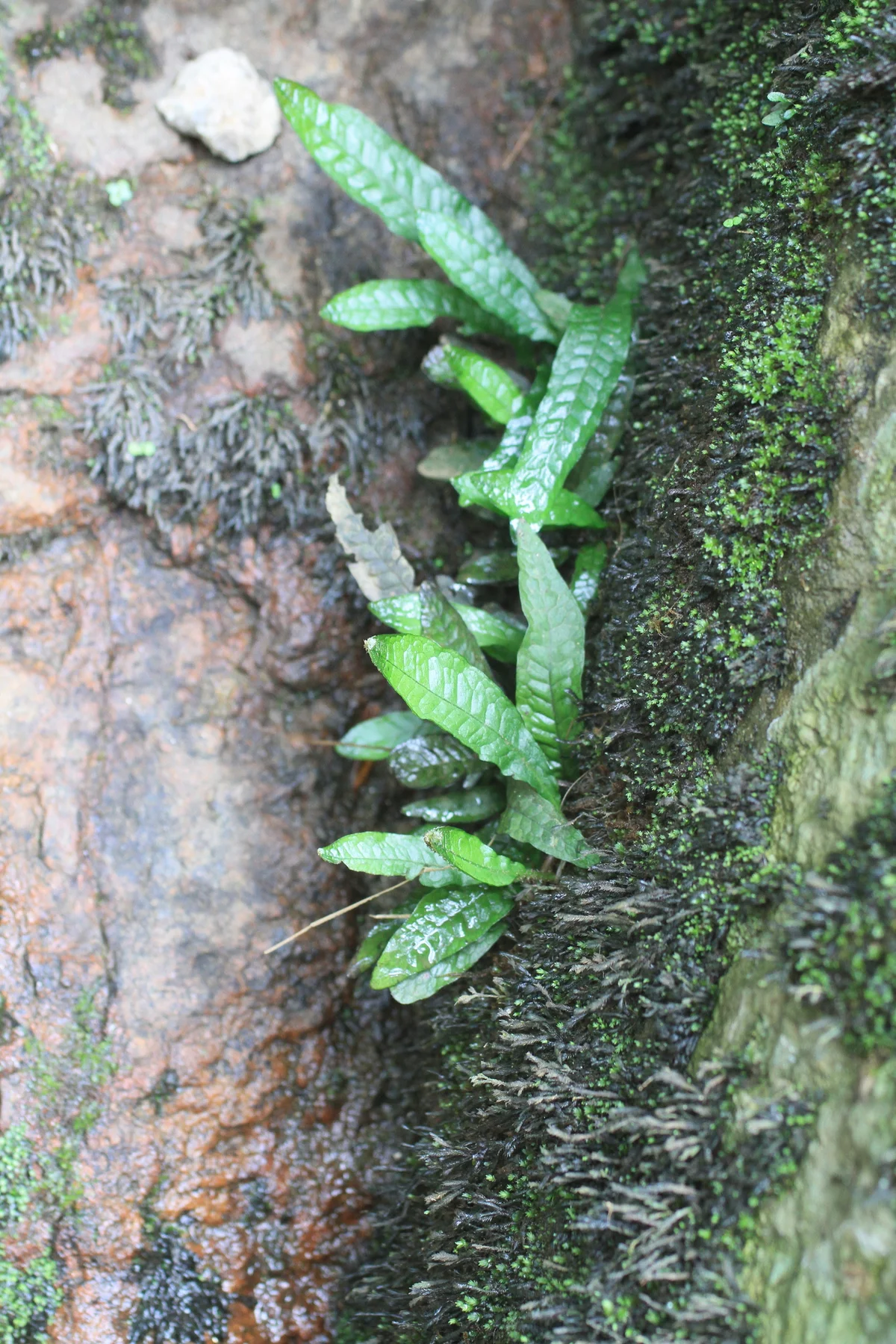
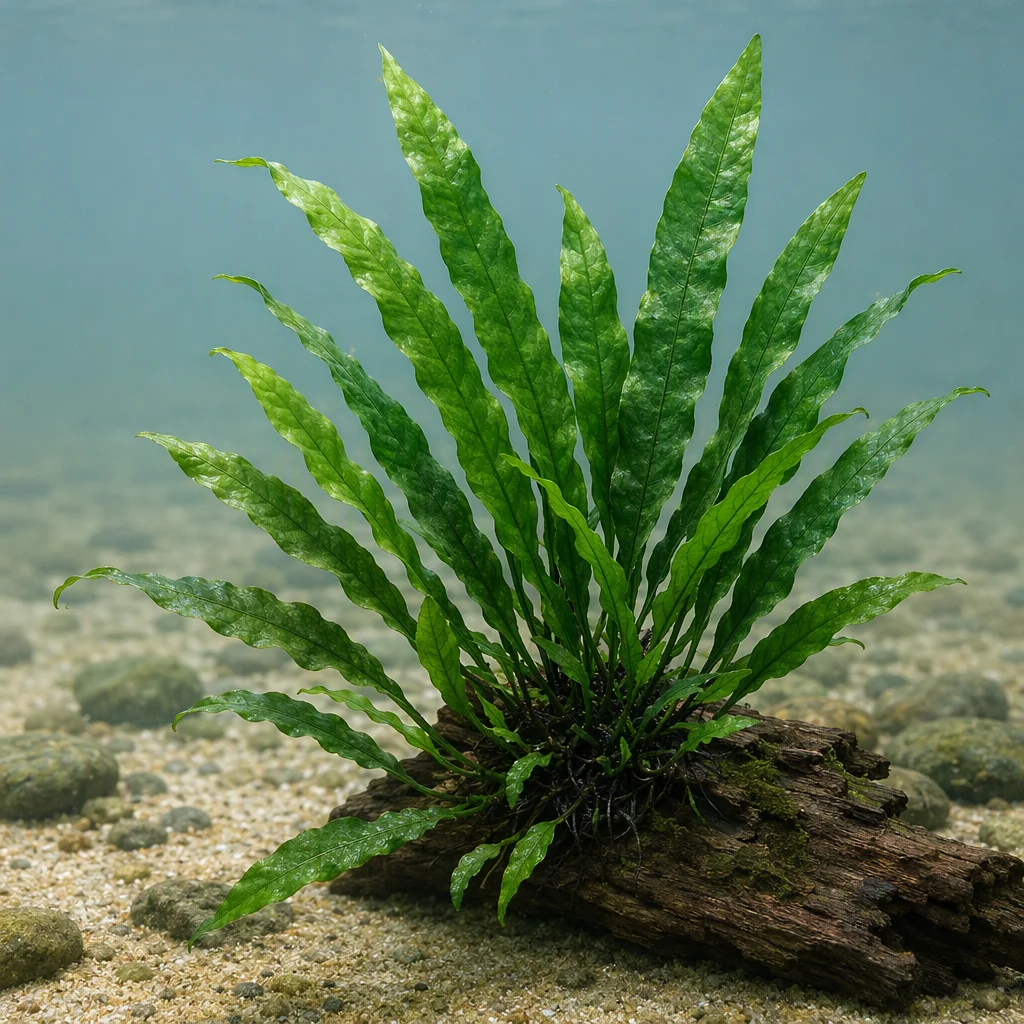
PlantingThe rhizome MUST NOT be buried in the substrate — buried rhizomes rot, leading to plant death. The optimal method is to secure the creeping rhizome on a stone, driftwood, or other decor using fishing line/thread, cotton thread, nylon strap, or special aquarium glue; after a few weeks, the plant will attach roots to the surface on its own. If placing the plant on the substrate, only small roots should be embedded, leaving the horizontal rhizome exposed above the surface.
MaintenanceThe main care involves proper attachment of the plant: the rhizome should not be buried in the substrate (this leads to rot), it is tied with fishing line, thread, or glued with special glue to a driftwood, stone, or other decor with a rough surface, after which the plant naturally attaches with roots. The plant is slow-growing, does not require frequent pruning, and grows well without CO₂ supplementation. It prefers moderate lighting but tolerates low light. Due to its weak root system, most nutrients are absorbed through the leaves from the water column, so regular liquid fertilization (potassium, iron) is recommended. It is propagated by dividing the rhizome (sections with 2–3 leaves) or by daughter plants forming on old leaves.
Compatibility
CompatibilityMicrosorum pteropus is one of the few aquarium plants that is not eaten by most herbivorous fish due to the tough structure of its leaves and substances contained within them, making the plant inedible. It pairs well with guppies, angelfish, cichlids, anubias, shrimp, snails, and peaceful fish communities. It is not recommended to keep with bottom-dwelling fish (catfish, Arowanas, etc.), as their activity damages the delicate root system and disrupts the plant's integrity. It coexists well with crypts and hornwort; it is not recommended to plant near Vallisneria, which requires more intense lighting and may suppress the fern.
Leaf toughnessTough
Rooting stabilityStrong
Structural fragilitySturdy
Aquarium toxicity riskNo known toxicity to aquarium inhabitants has been identified: the plant does not contain toxins, does not release phytotoxic substances into the water, and is safe for fish, shrimp, and snails. On the contrary, its tough and unpalatable leaves are recommended for aquariums with goldfish, cichlids, and other herbivorous species. Note: the glue used for attachment must be specifically aquarium-safe/cyanacrylate — household glues and sealants are toxic. No separate toxicity for humans has been registered.
Disposal warningLiving plants and fragments should not be released into open water bodies or natural ecosystems: the fern reproduces vegetatively (daughters and even leaf fragments) and can establish outside the aquarium. Excess should be disposed of with household waste or dried/composted industrially; do not compost near natural water bodies.
 Reference illustration · may contain inaccuracies