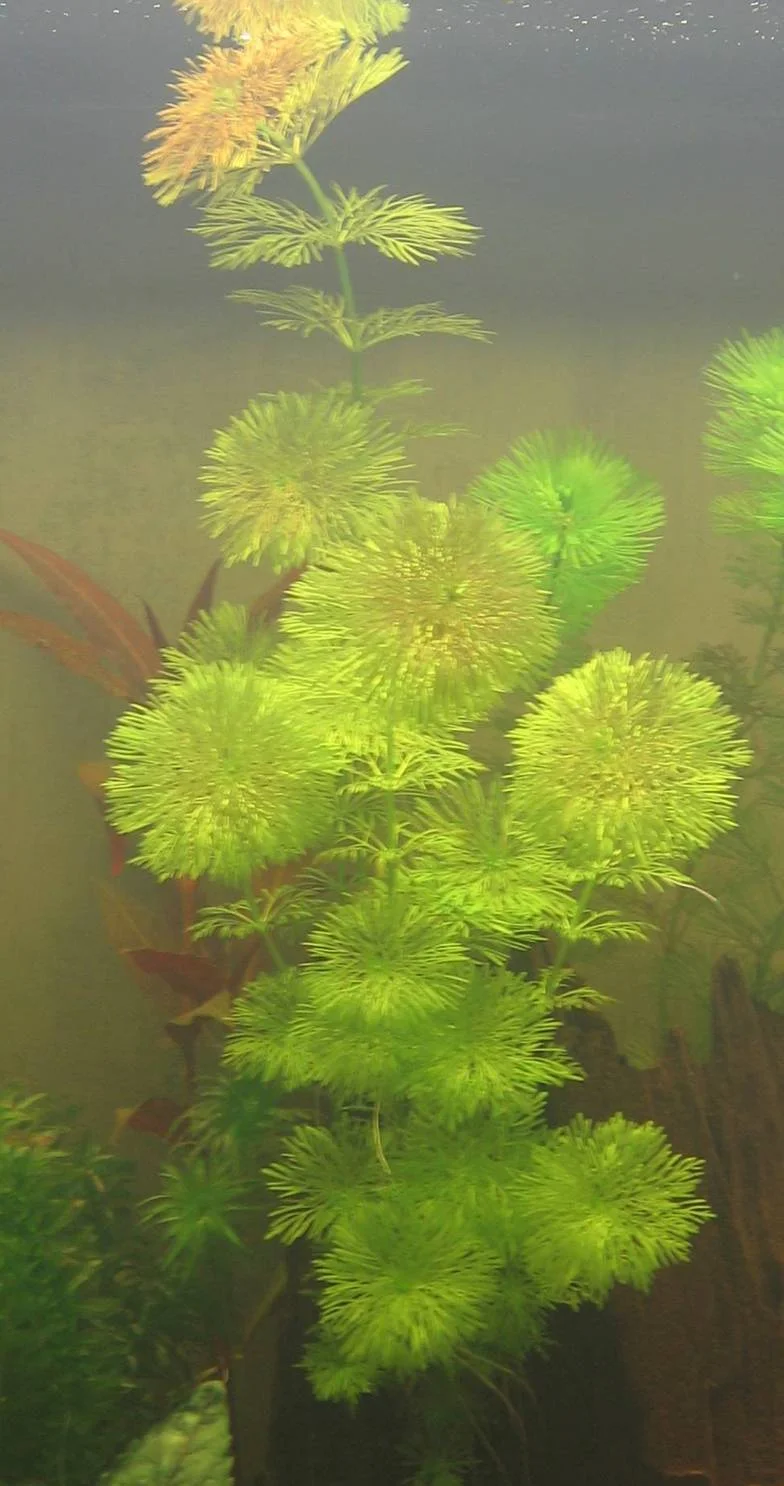
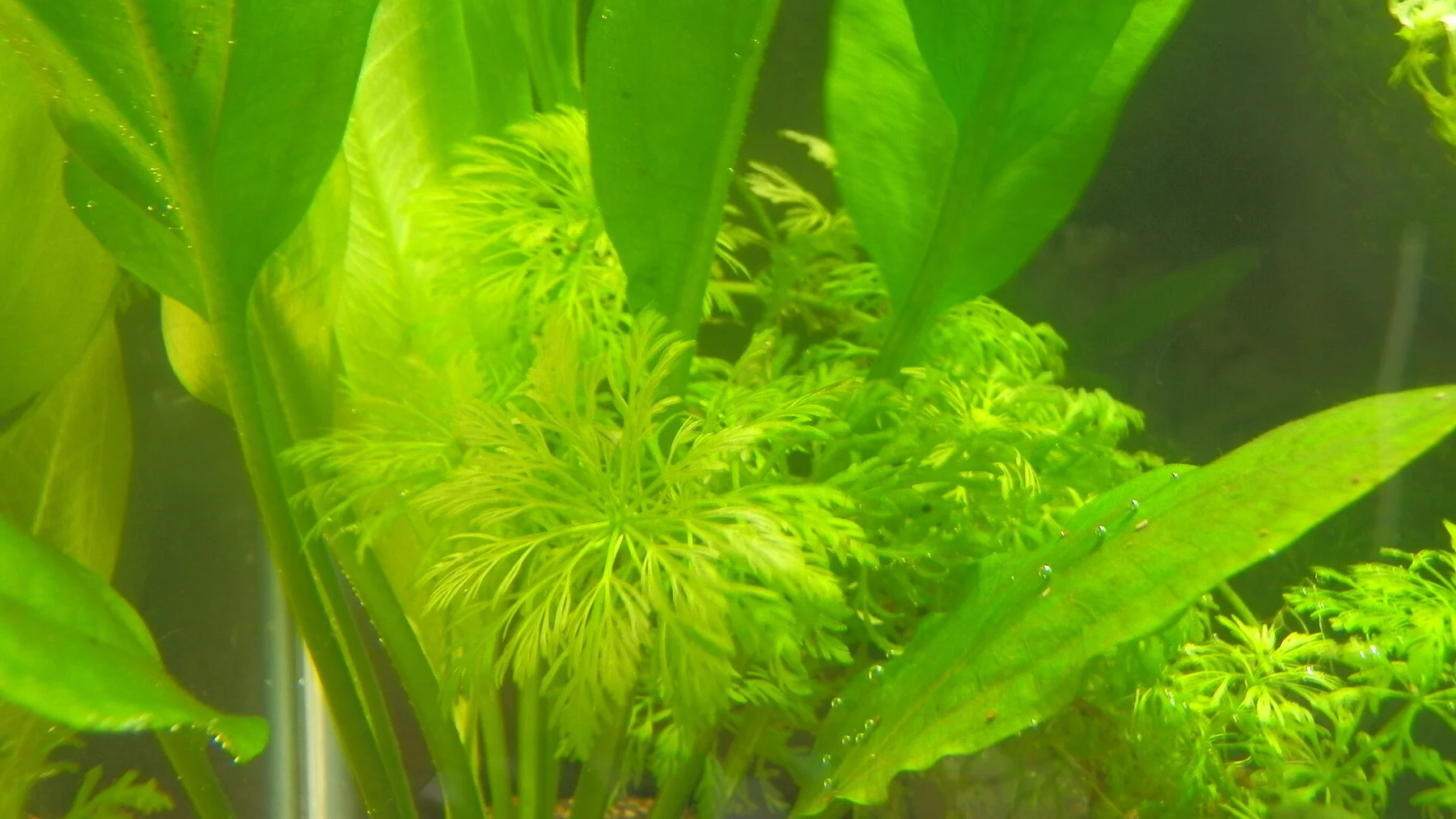
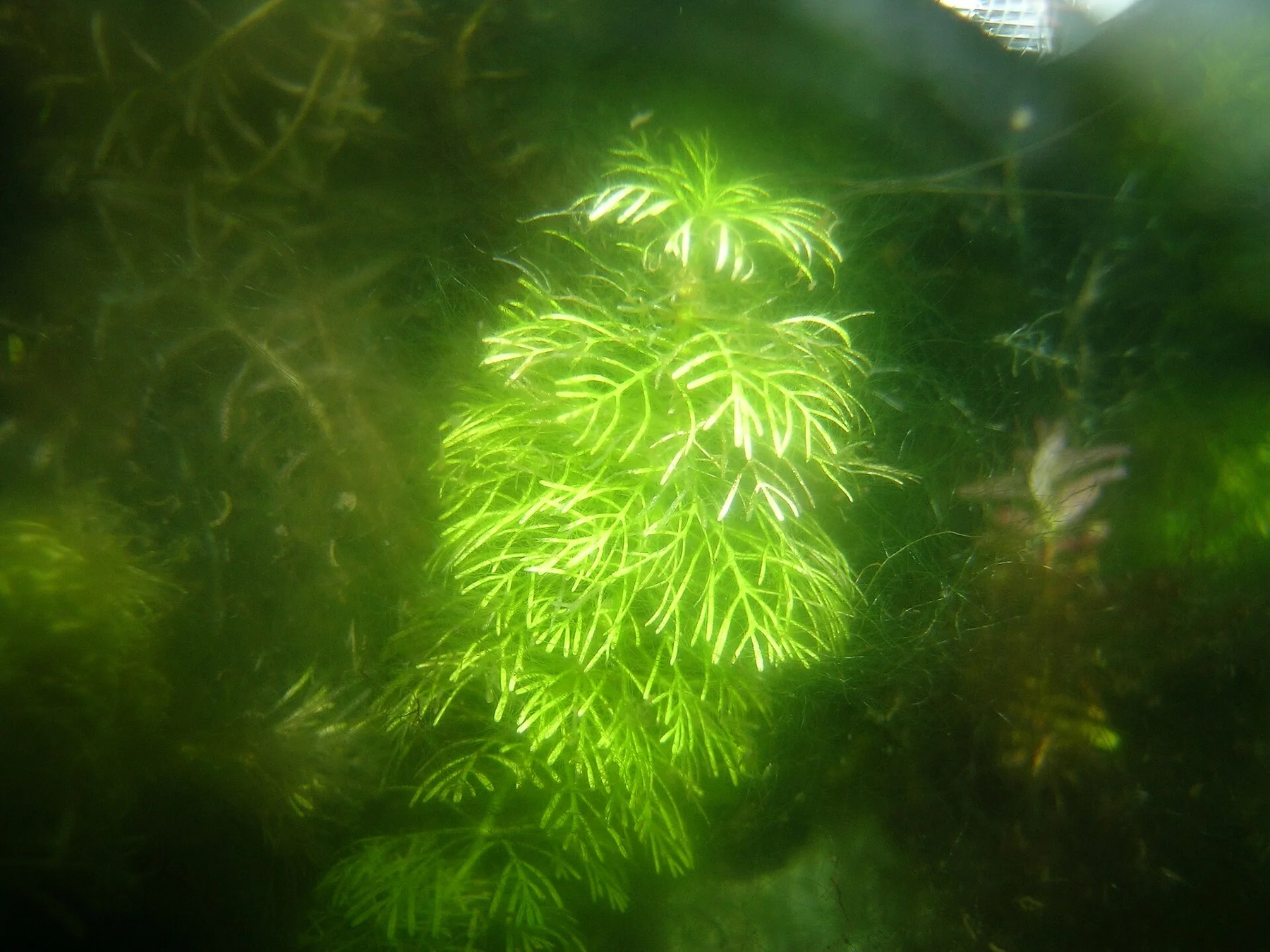
Overview
Sustainable aquarium useFully submerged, Floating, Paludarium
Growth formStem
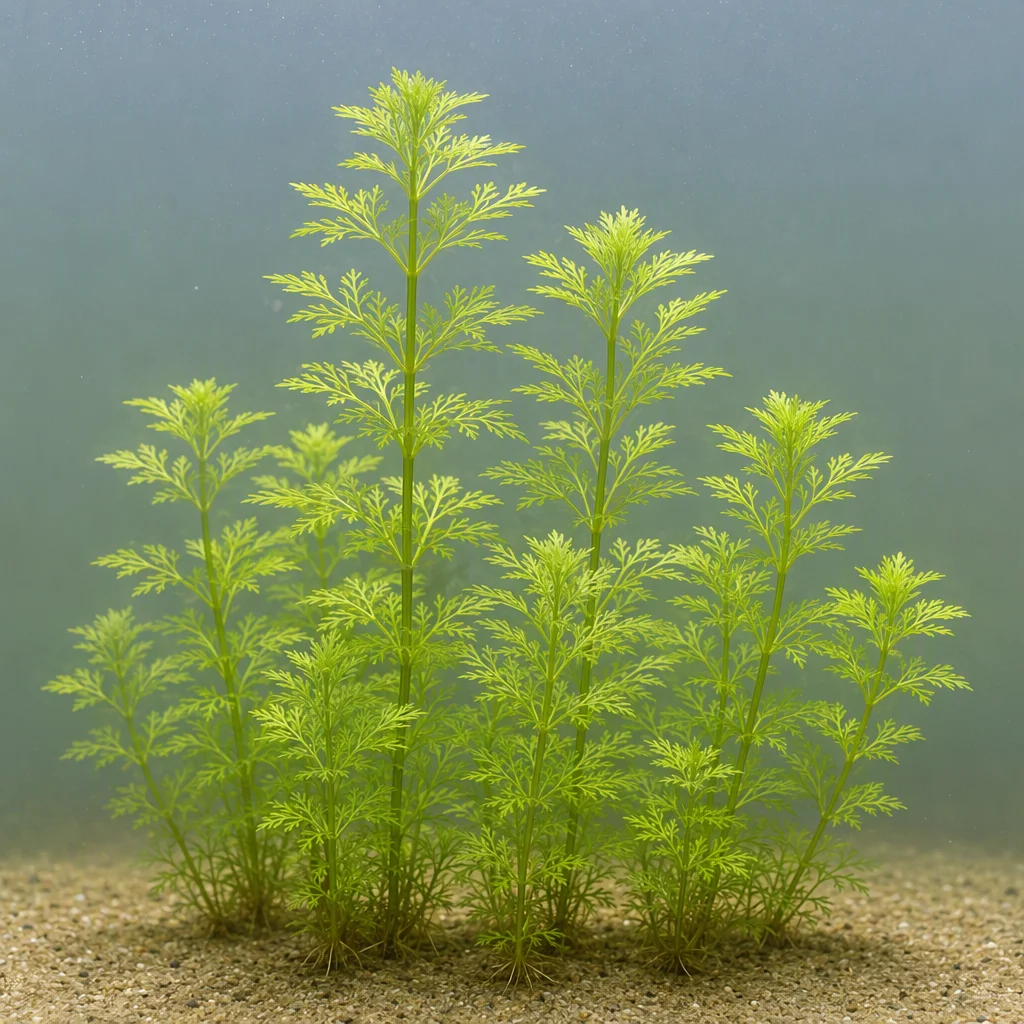
Growth habitVertical, Branching
Height15–40 cm
Primary placementBackground
Growth rateFast
Care
Minimum light levelLow
Recommended light levelMedium
CO₂ requirementNot required
Nutrient uptakeWater column
Substrate requirementsAnchoring only
PlantingThe plant is a rooting type: it is planted in groups/clumps in the substrate (preferably fine sand or fine fraction of a light substrate), burying the lower cluster of leaves so that the stem is supported and does not float. Mainly planted along the back wall or in distant corners; a few centimeters are maintained between individual stems to avoid shading each other. The root system is delicate and weak, so heavy fertilization of the substrate is not required — most nutrients are absorbed from the water; the plant does not require mandatory root fertilization in fresh substrate. Handle the plant carefully during planting and relocation due to fragile leaves: do not pull the stem, it is better to remove the plant by cutting.
MaintenanceThe main care involves regular pruning: the plant grows very quickly and, upon reaching the surface, begins to actively branch and take over space, so the tops need to be pinched periodically. Cuttings of 10–15 cm in length can be immediately planted in the substrate — they root quickly (within 4–5 days). It is preferable to plant the plant in groups along the back wall. The substrate should be light, fine-grained (3–5 mm), as the root system is delicate and underdeveloped. Most nutrients are absorbed from the water, so regular liquid fertilization is necessary, especially with iron and potassium. Weekly water changes (~20%) and moderate flow are recommended. Under low lighting, stems elongate — to maintain a compact shape, lighting should be at least medium level.
Compatibility
CompatibilityThe plant is compatible with most peaceful aquarium fish and invertebrates; dense, feathery thickets provide shelter for fry and small fish. It is not recommended to plant with herbivorous fish (goldfish, some cichlids, angelfish), which nip and uproot tender shoots, or with snails (e.g., apple snails), which can damage leaves. Due to its rapid growth and ability to create dense shade, Limnophila may suppress neighboring light-loving plants, requiring regular pruning and placement in the background. In the USA and some other regions, the species is recognized as invasive and is prohibited from distribution.
Leaf toughnessSoft
Rooting stabilityWeak
Structural fragilityFragile
Disposal warningThe plant is considered invasive in some regions (listed in the Federal Noxious Weed List of the USA, banned in several states including Florida; included in the EPPO watch list). It is extremely hardy: even small fragments of stems can root and produce new plants. It is strictly forbidden to drain water from aquariums with plant residues into natural water bodies, storm drains, or compost heaps that lead to nature. Plant waste should be hermetically packed and disposed of with household waste, or completely dried and burned. Before purchase, ensure that the species is permitted in your region.
 Reference illustration · may contain inaccuracies