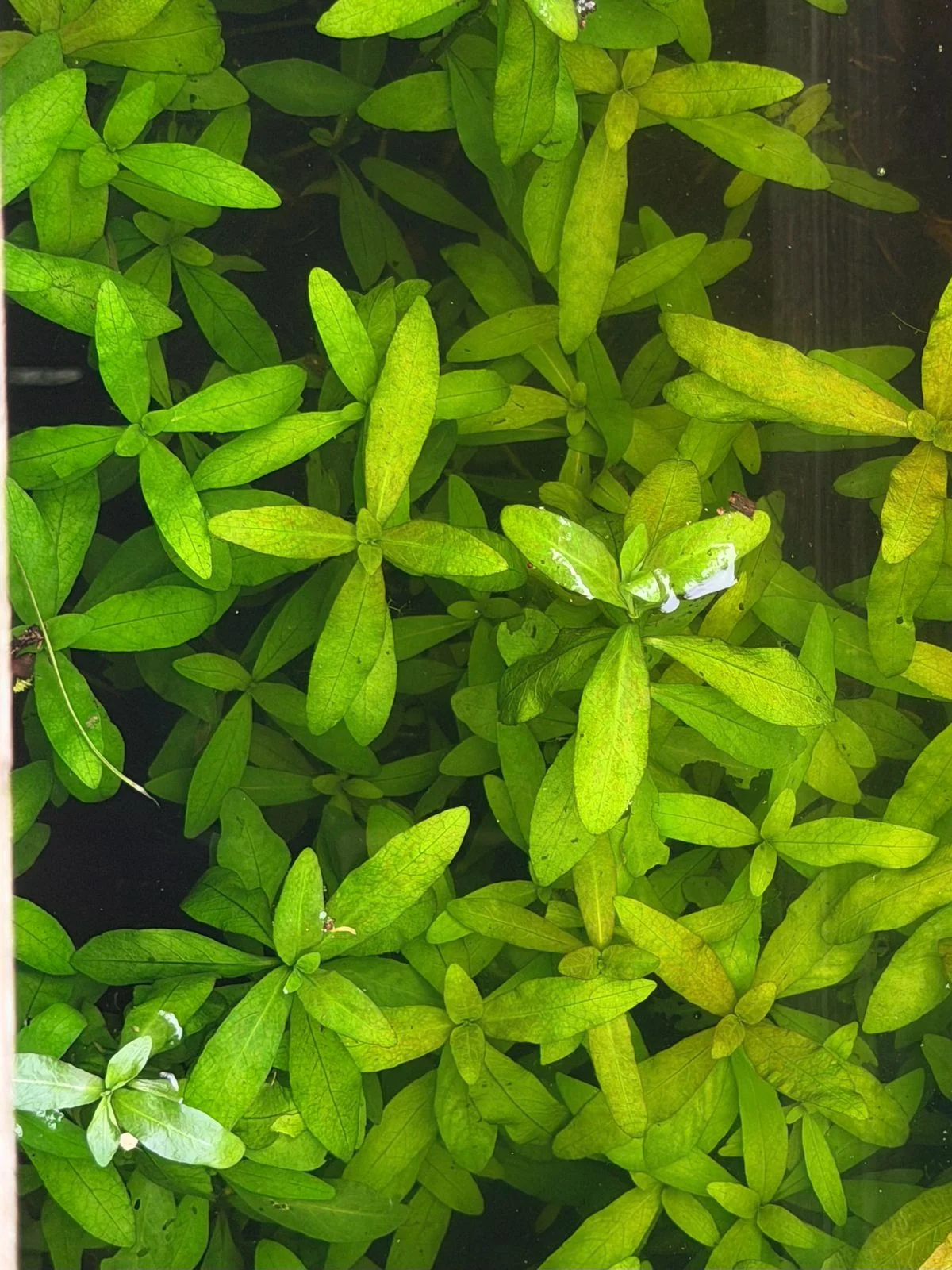
Overview
Sustainable aquarium useFully submerged, Floating, Paludarium
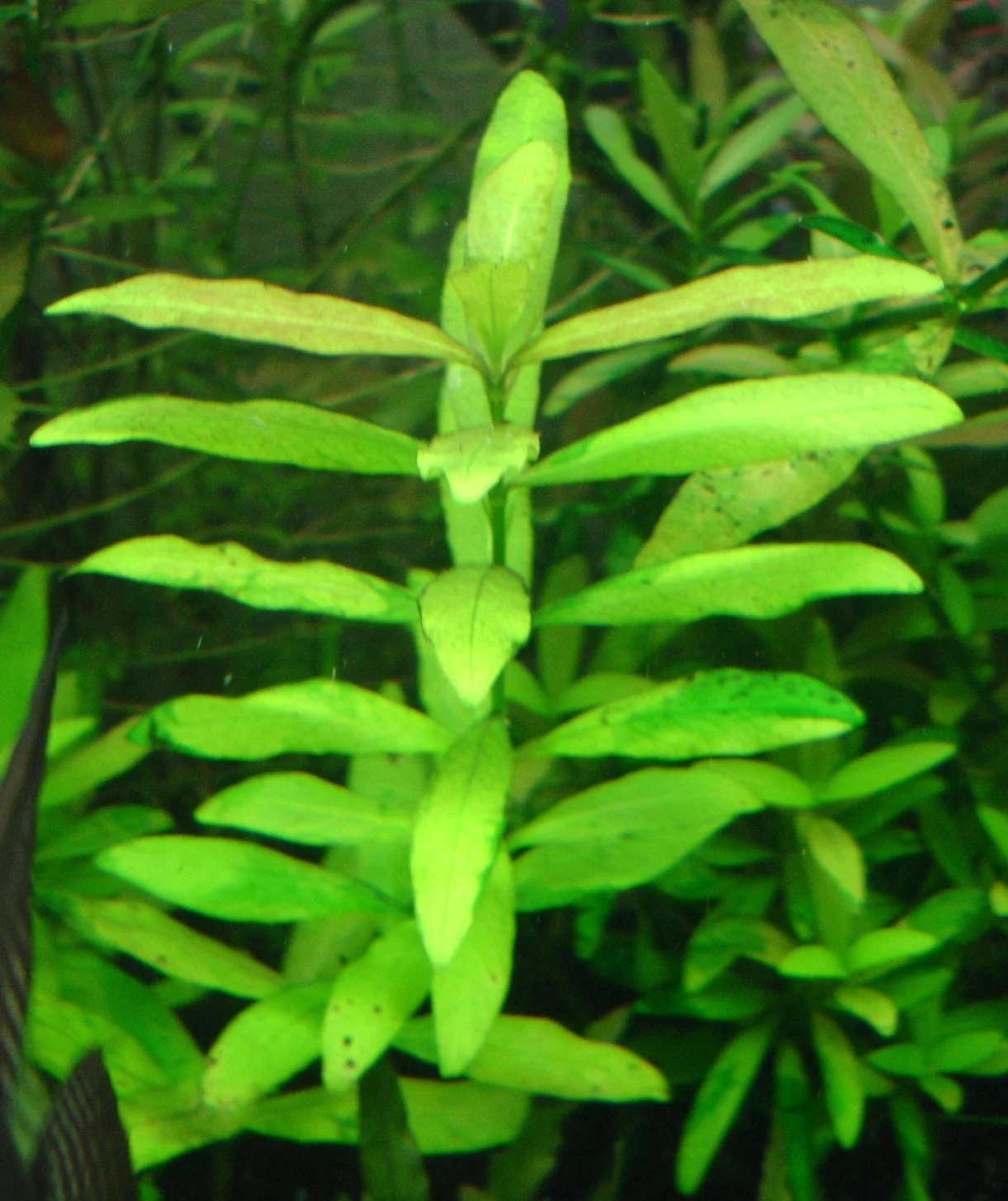
Growth formStem
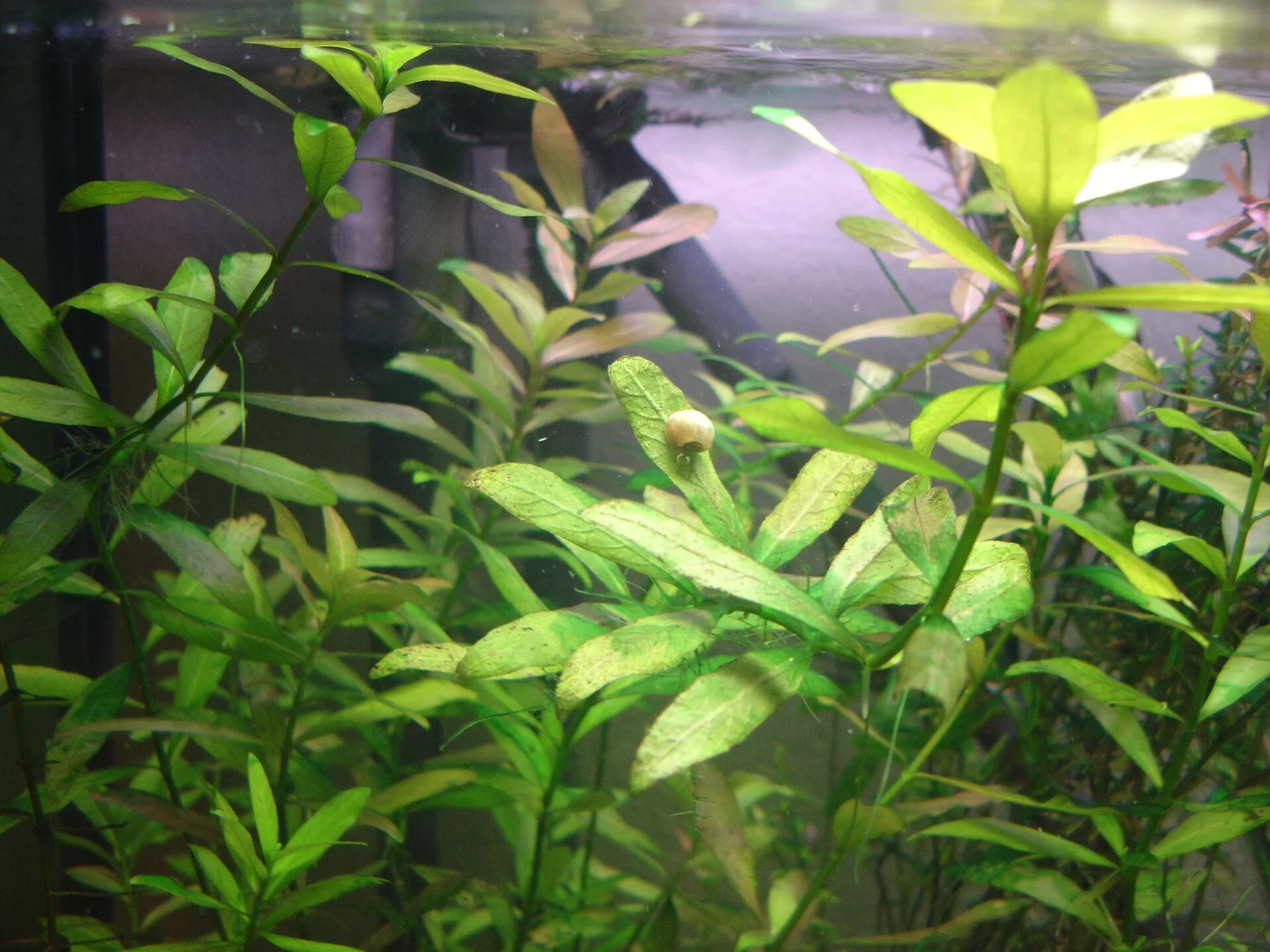
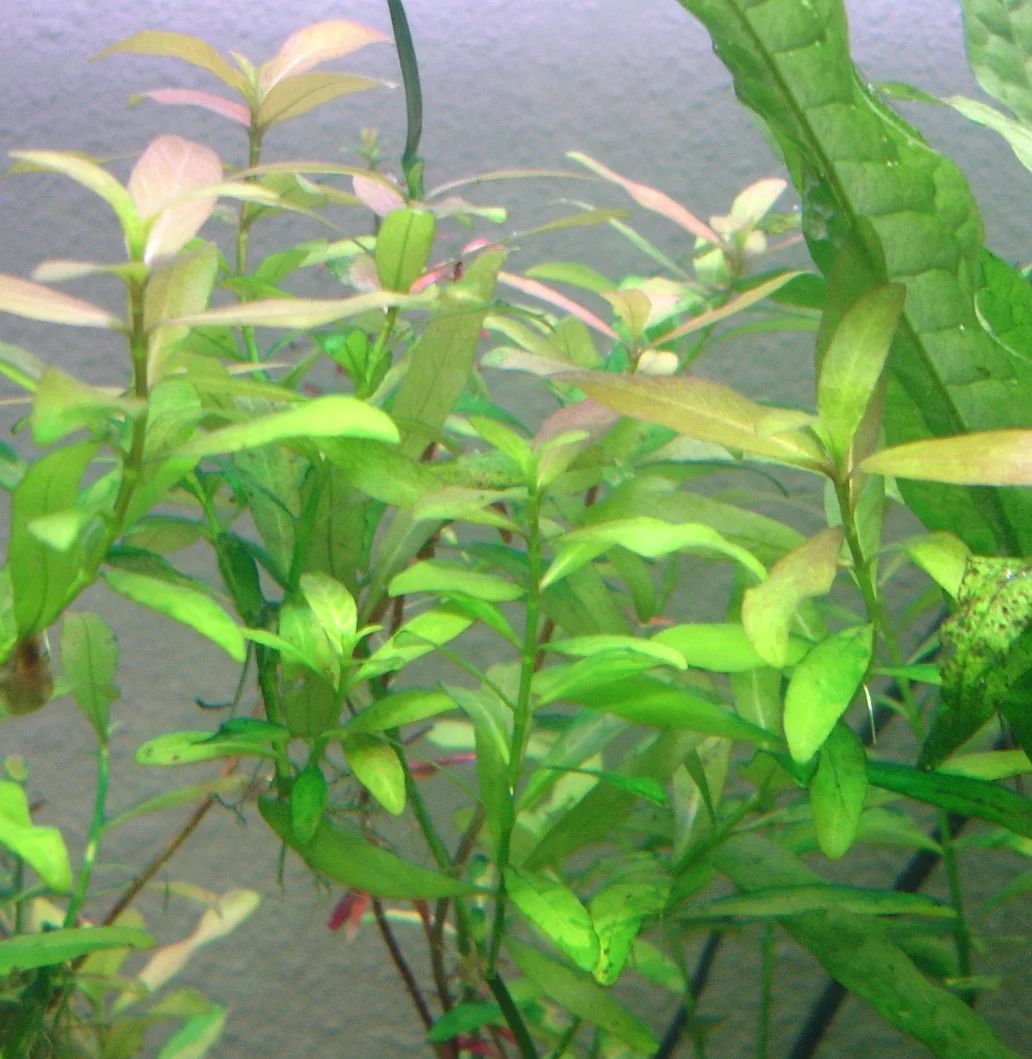
Growth habitVertical, Branching
Height15–60 cm
Primary placementBackground
Growth rateFast
Care
Minimum light levelLow
Recommended light levelMedium
CO₂ requirementNot required
Nutrient uptakeMixed
Substrate requirementsAnchoring only
PlantingStem cuttings are planted in groups of 5–7 stems per hole, burying the lower part of the stem 3–5 cm so that the plant sits tightly in the substrate. The substrate should be small gravel or coarse sand; until fully rooted, the plant can be lightly pressed with a pebble. It is not grown floating — growth stops in this state.
MaintenanceA hardy, fast-growing, long-stemmed plant suitable for beginners. It grows evenly year-round, adding up to approximately 10 cm per week, thus requiring regular pruning and thinning to prevent shading neighboring plants. It propagates easily by top cuttings: the cut top or a stem fragment with 3–5 whorls is planted in substrate. It is important to plant in substrate (sand or fine gravel) as roots play a significant role in nutrition; in floating form, the plant's growth stops. Regular liquid fertilization and weekly water changes of about 20% are recommended. Additional CO₂ supply is not necessary but improves appearance.
Compatibility
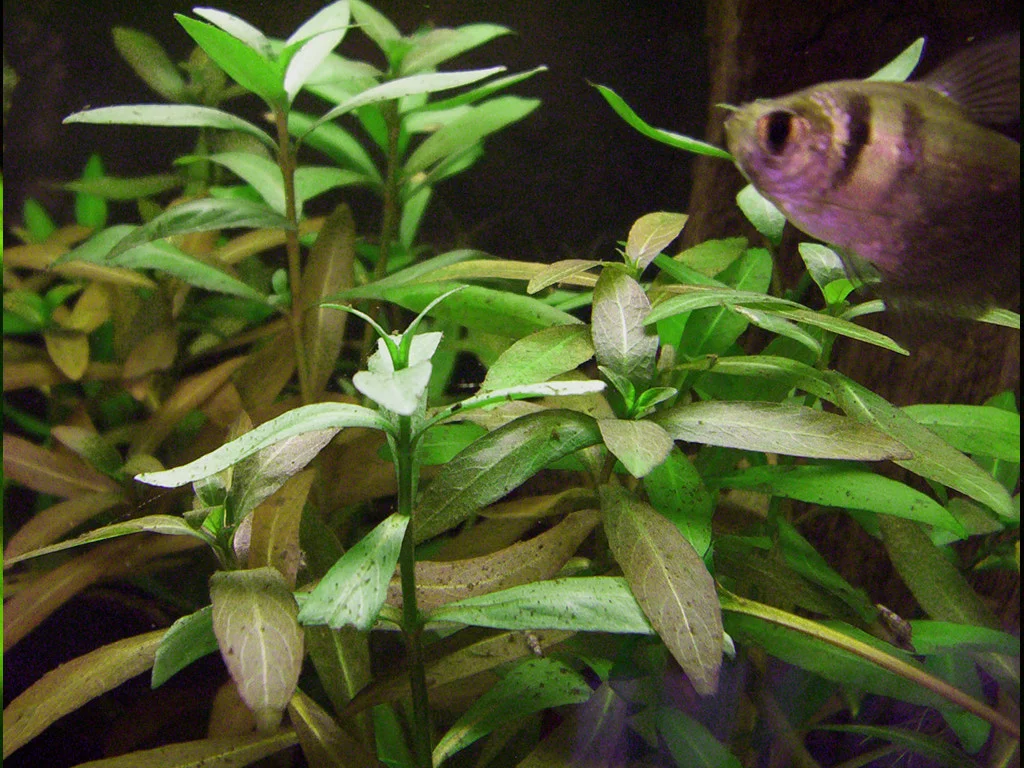
CompatibilityHygrophila polysperma is a very hardy and undemanding plant, compatible with most aquarium inhabitants. It is non-toxic and safe for fish and invertebrates. Due to its rapid growth and formation of dense thickets, it serves as good shelter for fry and small fish. However, the plant is not suitable for aquariums with herbivorous fish (e.g., goldfish) and digging cichlids, which may uproot or eat it. It is also not recommended for small aquariums due to its rapid spread. Overall, the species is considered one of the most tolerant aquarium plants and is suitable for beginners.
Rooting stabilityMedium
Structural fragilityFragile
Aquarium toxicity riskToxicity to aquarium inhabitants has not been identified: the species is characterized as non-toxic in specialized literature. However, in cases of mass overgrowth and subsequent decay of dead parts, oxygen concentration in the water may decrease, which could theoretically pose a risk to fish in a closed aquarium.
Disposal warningHygrophila polysperma is an invasive species listed on the US Federal Noxious Weed List and prohibited for sale and possession in several states (Florida, etc.); it is included in the EPPO list of invasive alien plants. The plant is extremely resilient: even small stem fragments with nodes easily root and produce new growth, so cuttings and removed plants must not be discarded into natural water bodies, sewage, or compost heaps, as they can wash into the environment. Plant residues should be disposed of in sealed plastic bags in household waste (or thermally destroyed—dried, frozen, or burned). Check local legislation before purchase: in some regions (e.g., Florida, USA), possession, sale, and transportation of this species are prohibited without a special permit.
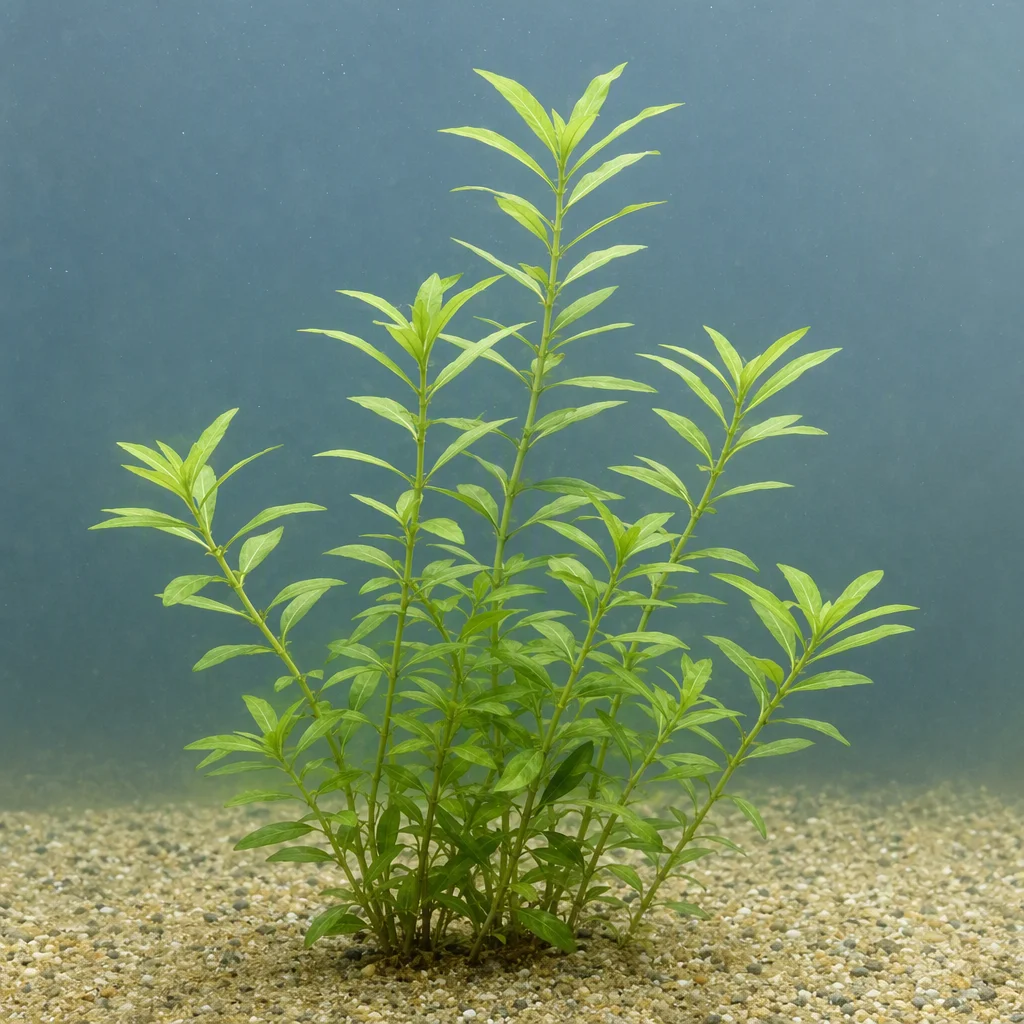 Reference illustration · may contain inaccuracies