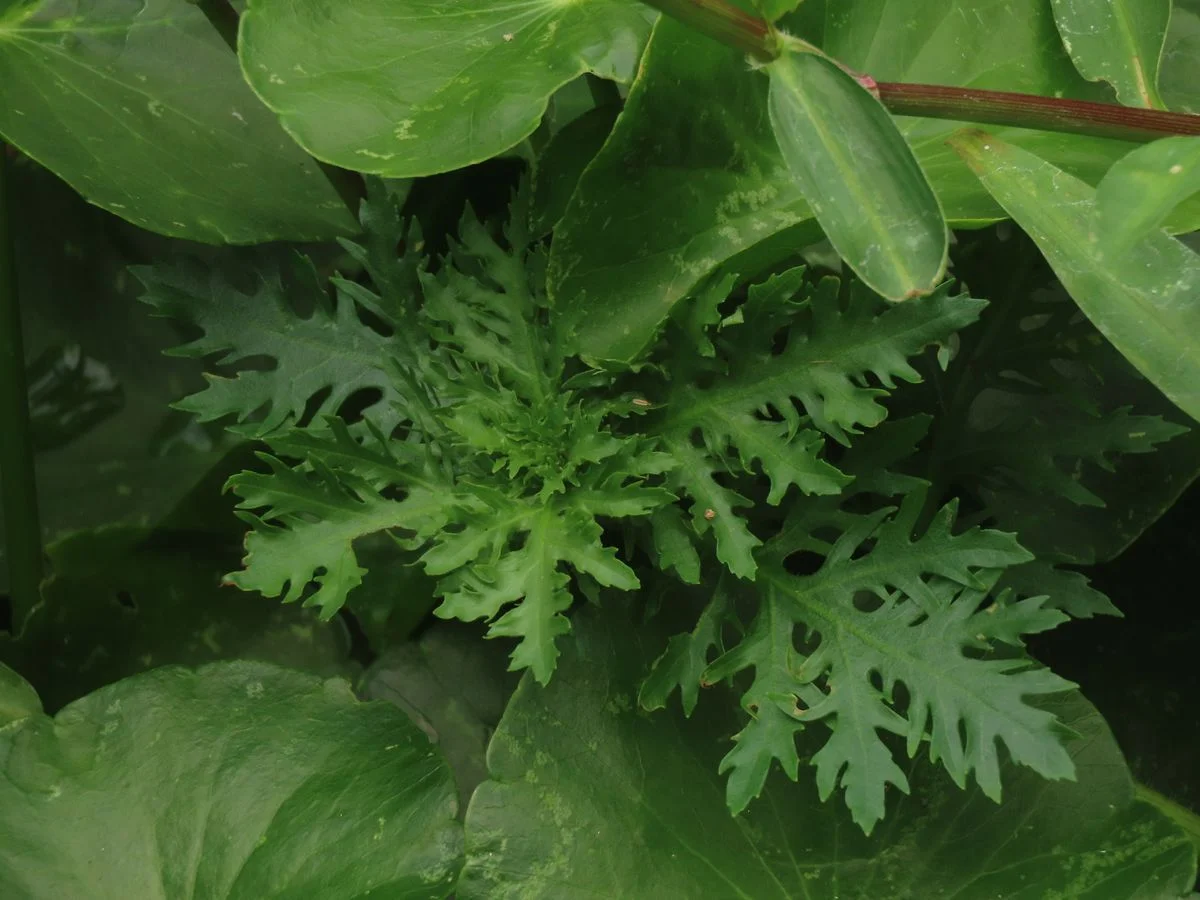
Overview
Sustainable aquarium useFully submerged, Floating, Roots in water, Paludarium
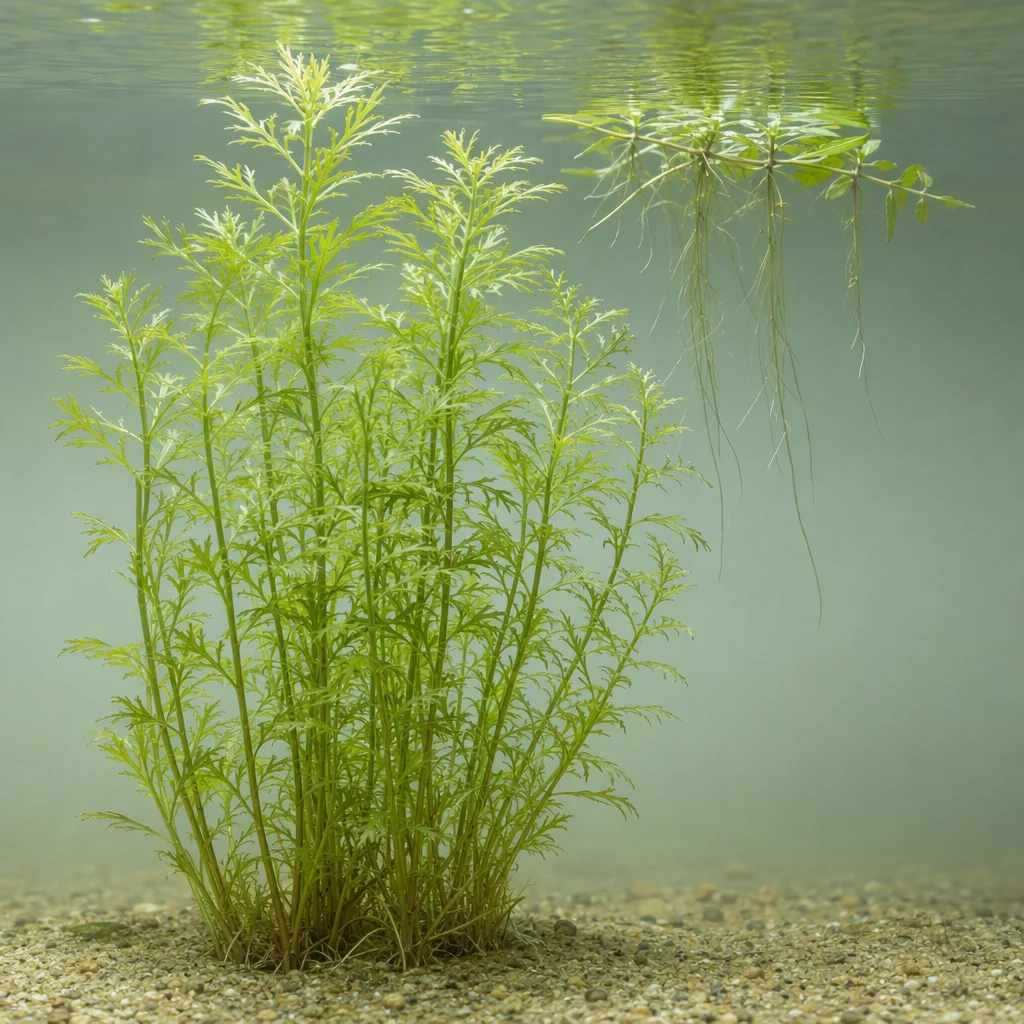
Growth formStem
Growth habitVertical, Branching, Floating colony
Typical submerged height20–50 cm
Typical width or spread6–25 cm
Primary placementBackground
Growth rateFast
Care
Minimum light levelLow
Recommended light levelMedium
CO₂ requirementBeneficial
Nutrient uptakeMixed
Substrate requirementsAnchoring only
PlantingStems are planted in nutrient-rich substrate at a depth of 3–5 cm with 3–5 cm spacing between plants; handle carefully during planting as stems are fragile, and broken tops can be used immediately as cuttings.
MaintenanceA fast-growing plant that requires regular pruning, water changes, and microelement supplementation, primarily iron; propagated by cutting the tops or side shoots, which are rooted in the substrate.
Compatibility
CompatibilityThe plant is compatible with most peaceful community fish and invertebrates (shrimp, snails), with its dense feathery foliage providing cover for fry and shy fish; however, due to its delicate, soft leaves, it is unsuitable for aquariums with large herbivorous or digging fish—such as goldfish and large cichlids—as well as crabs that may eat or damage the leaves.
Leaf toughnessSoft
Rooting stabilityMedium
Structural fragilityOrdinary
Aquarium toxicity riskHygrophila difformis is not considered toxic to fish and shrimp; reports of toxicity relate to a different species — Hygrophila balsamica, not H. difformis.
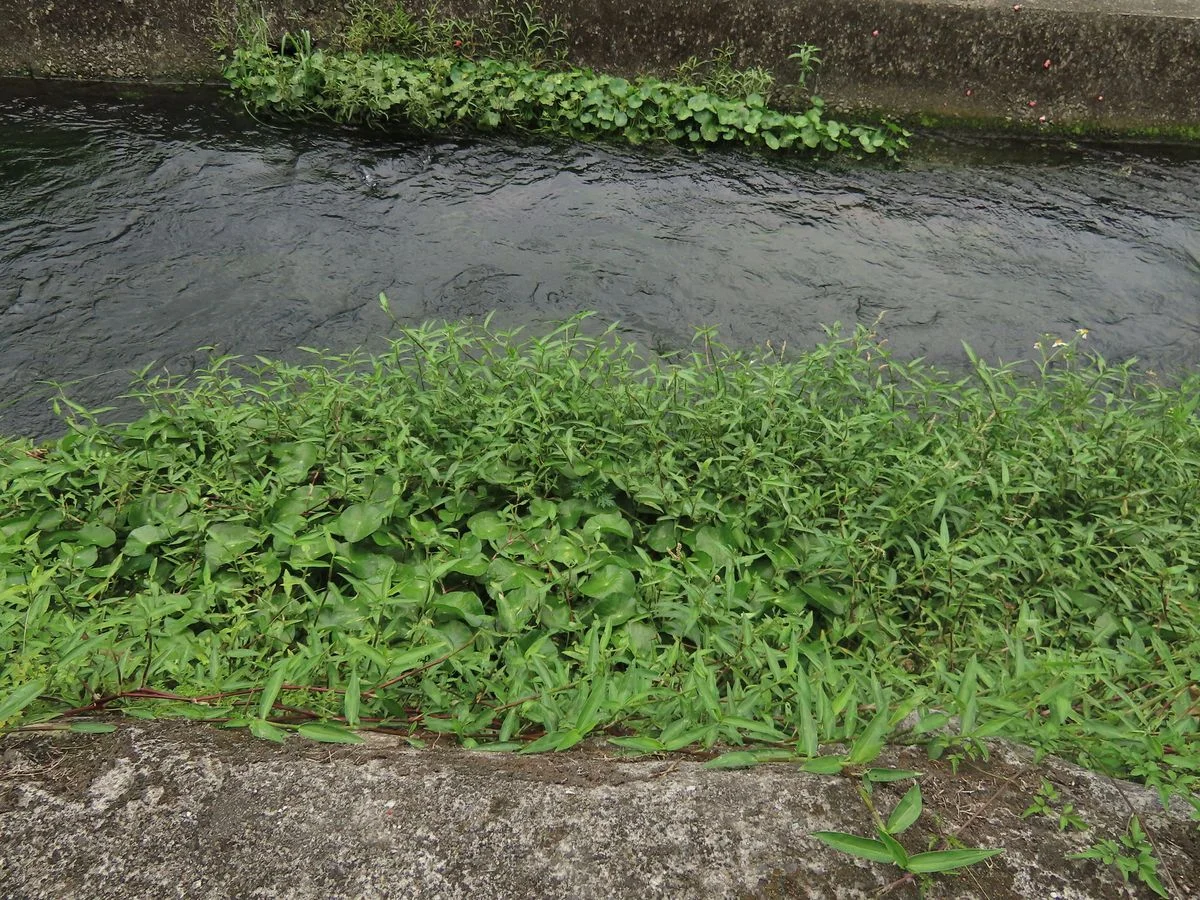
Disposal warningThe plant is recognized as potentially invasive: in the USDA risk assessment, it scored 9 with a threshold deviation of 6, so trimmings and excess should not be disposed of in water bodies or flushed into sewage — they should be dried and disposed of with household waste in a sealed bag.
 Reference illustration · may contain inaccuracies