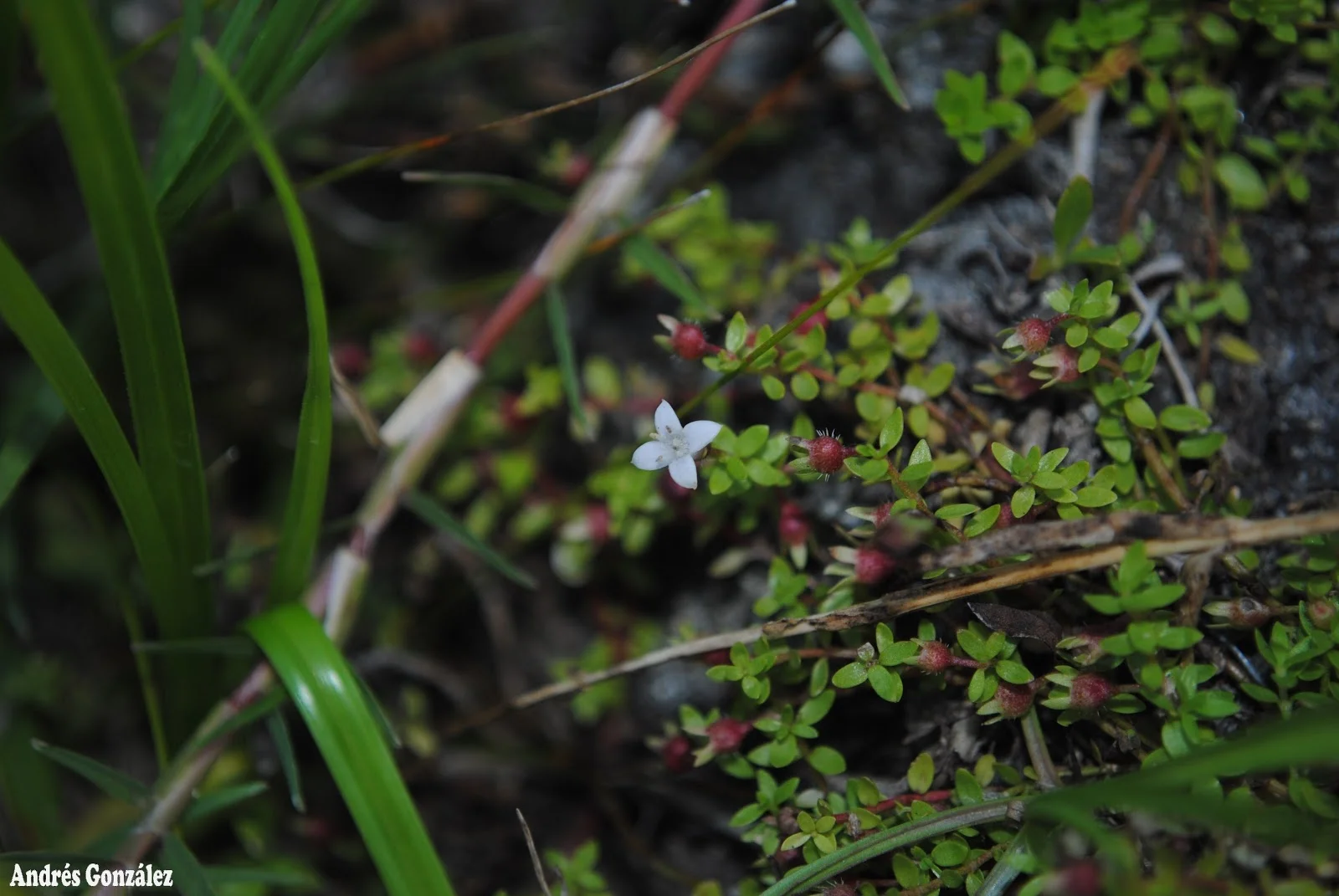
Overview
Sustainable aquarium useFully submerged, Paludarium
Growth formStem
Growth habitCreeping, Carpeting, Branching
Height5–20 cm
Primary placementMidground
Growth rateSlow
Care
Minimum light levelMedium
Recommended light levelMedium
CO₂ requirementBeneficial
Nutrient uptakeMixed
Substrate requirementsNutrient substrate or root feeding
PlantingPlant in groups of several stems at 1–3 cm apart, as single shoots have no decorative value. Use soft, nutritious substrate (aquasoil, fine rounded gravel or river sand) with a nutrient-rich layer. The root system is weak, so stems should be planted shallowly, carefully spreading the roots with tweezers. For mesomorphic plants, divide the clump into separate rosettes or stems with 2–3 pairs of leaves and plant at 1–2 cm apart. After planting, an adaptation period of 2–4 weeks may occur, during which growth slows.
MaintenanceBasic care includes regular pruning to maintain a compact shape and stimulate branching: cuttings can be transplanted for propagation. The plant is fragile and requires careful handling. A nutritious soft substrate (aquasoil, fine sand or gravel with a substrate/tablets), regular application of liquid fertilizers with microelements (especially iron — deficiency causes leaves to pale). Moderate or bright lighting is recommended; CO₂ supplementation is desirable to accelerate growth. Old thickets tend to float due to weak root systems, so top cuttings need to be transplanted.
Compatibility
CompatibilityHedyotis salzmannii is compatible with most peaceful aquarium fish and shrimp. Dense thickets provide natural shelter for small fish and fry. The plant is not suitable for aquariums with herbivorous fish — it is fragile, with thin stems and a weak root system, and is easily damaged. It is not recommended to plant in aquariums with large burrowing fish (cichlids), which may uproot the plant. It pairs well with other ground cover plants, mosses, and Anubias in aquascaping. Suitable for nano-aquariums and paludariums.
Leaf toughnessSoft
Rooting stabilityWeak
Structural fragilityFragile
Aquarium toxicity riskNo information on the toxicity of Hedyotis salzmannii to aquarium inhabitants has been found in available sources. The plant is widely used in aquaristics and is not mentioned as toxic to fish or invertebrates. On the contrary, dense thickets of Hedyotis serve as natural shelters for fish and their fry.
Disposal warningAlthough Hedyotis salzmannii is not marked as invasive, it can grow under a wide range of conditions (including cool water and terrestrial cultivation), making it potentially capable of surviving in natural water bodies. International conservation organizations (Illinois DNR, Michigan DNR, California Wildlife) provide general recommendations for the safe disposal of aquarium plants applicable to this species.
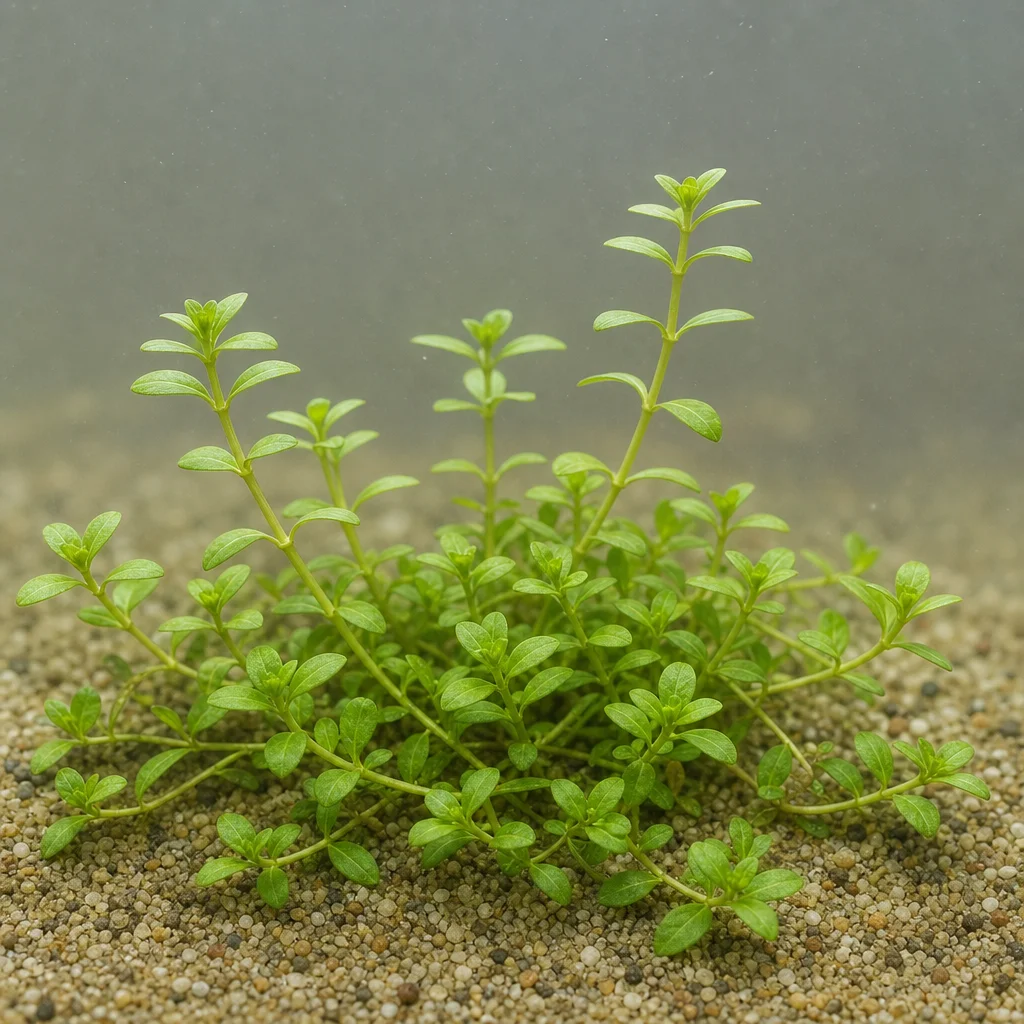 Reference illustration · may contain inaccuracies