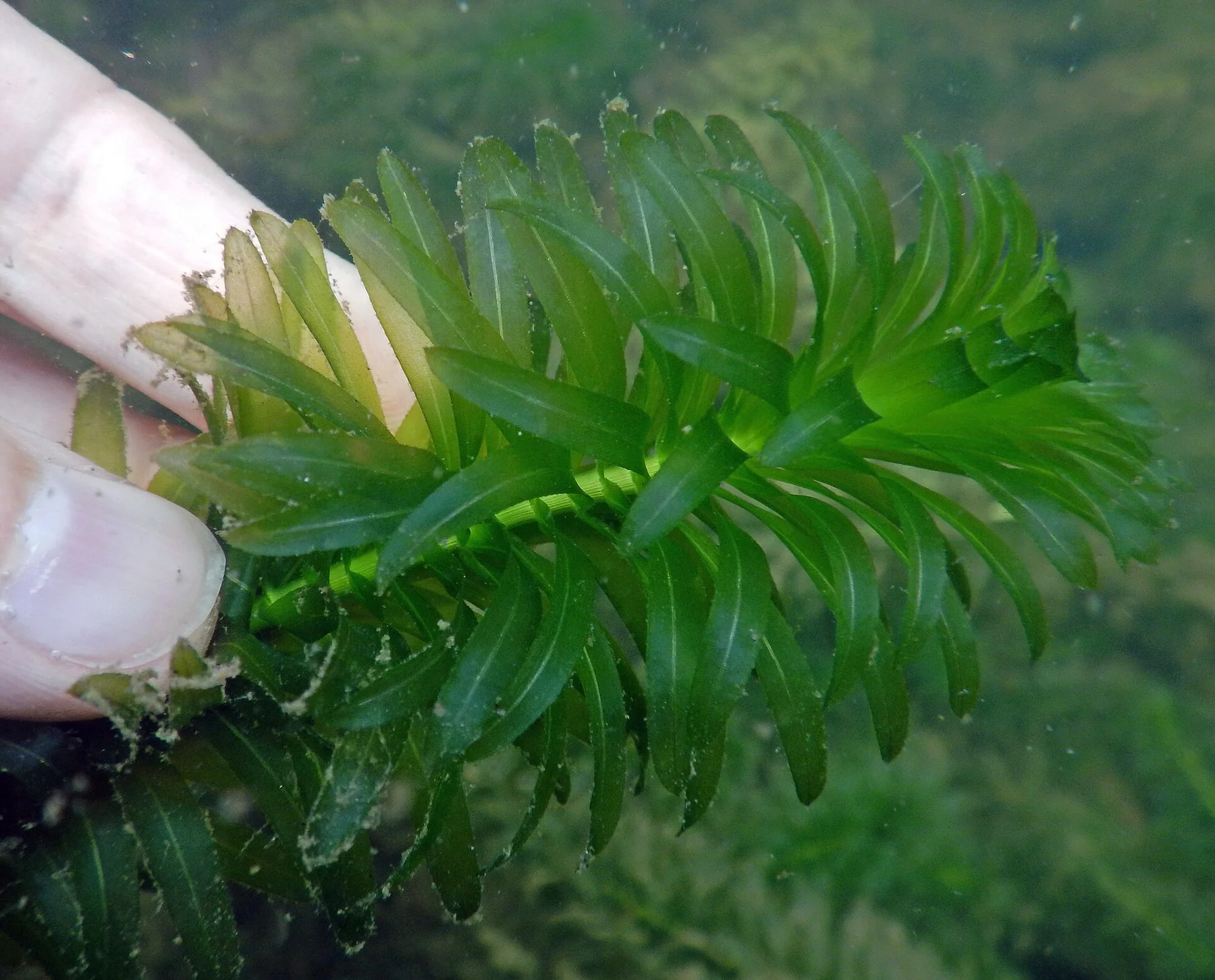
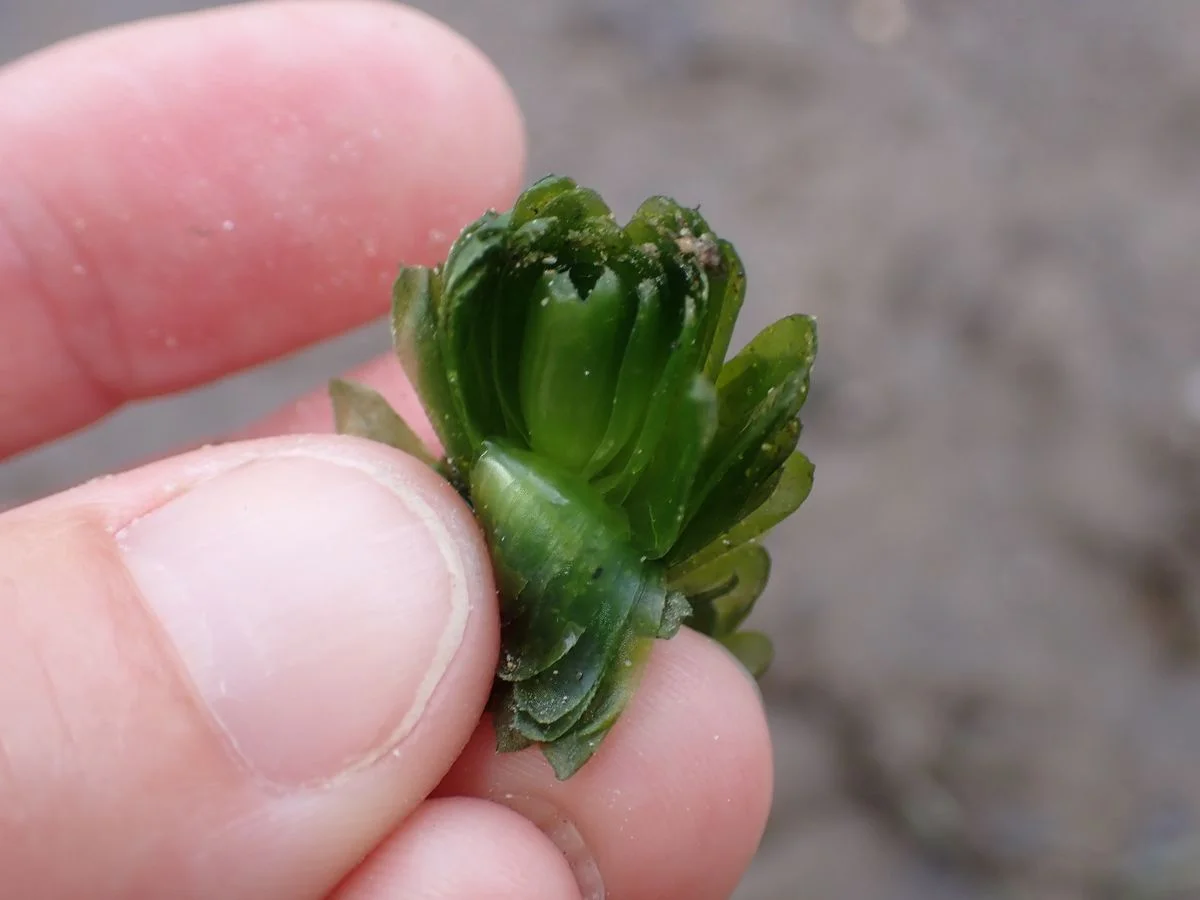
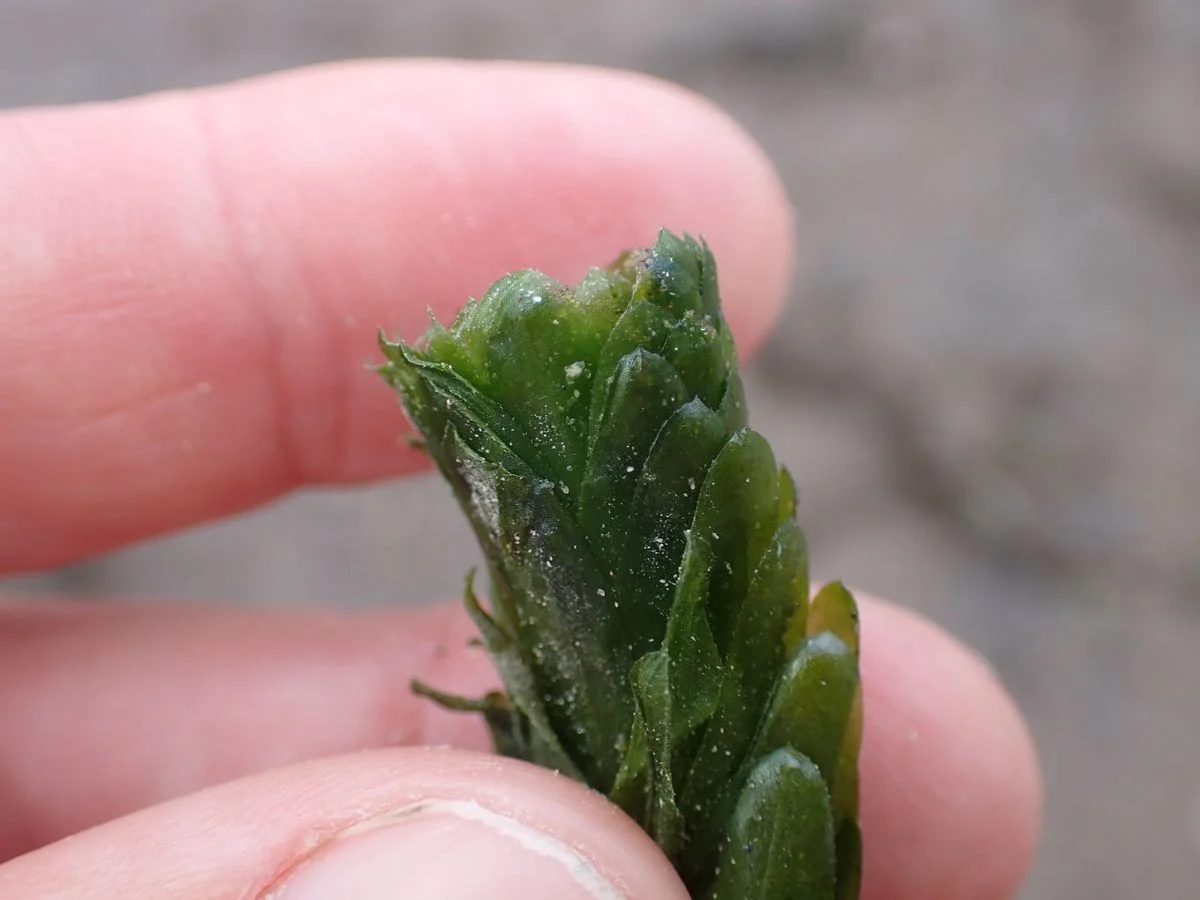
Overview
Sustainable aquarium useFully submerged, Floating
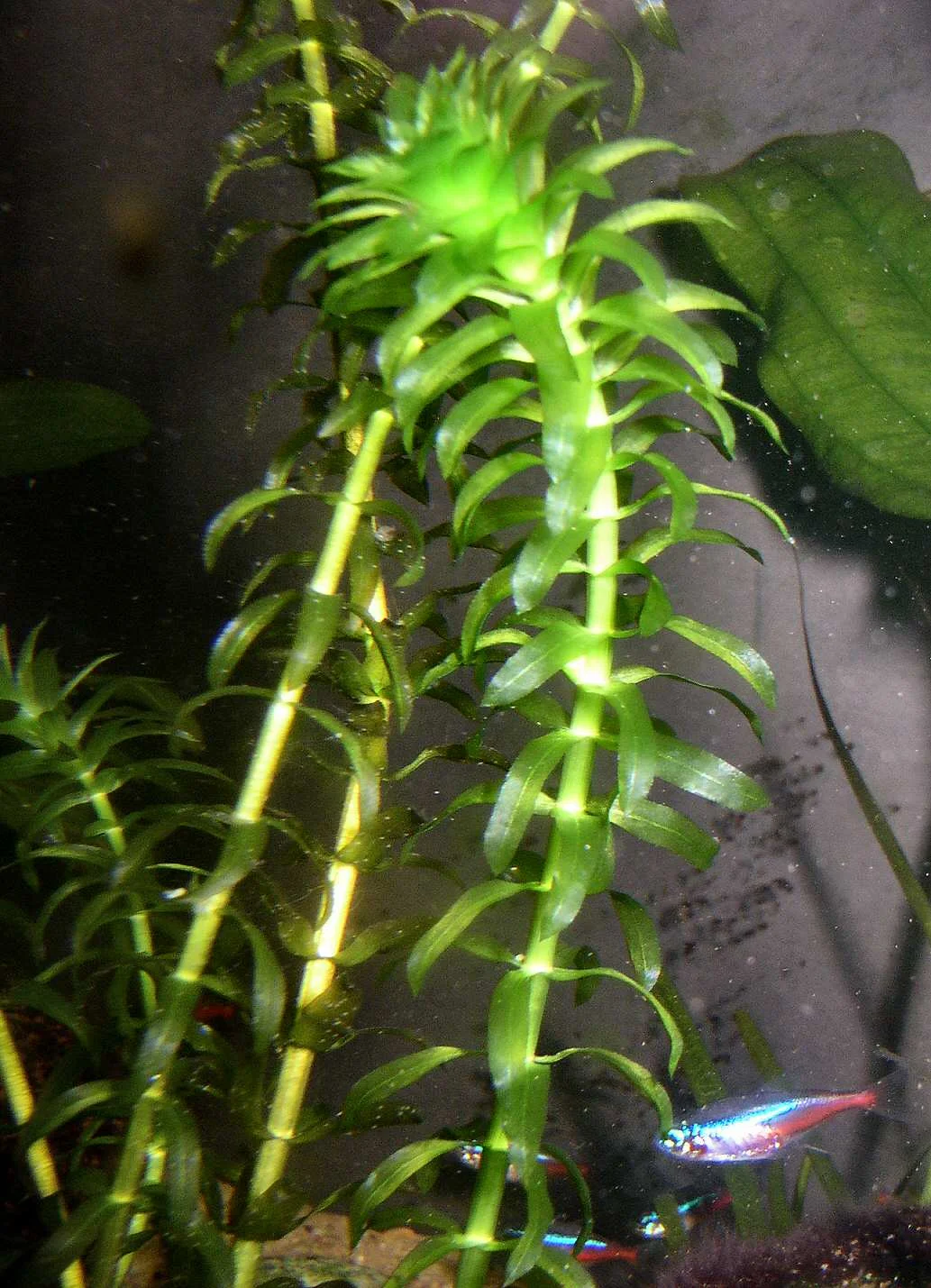
Growth formStem
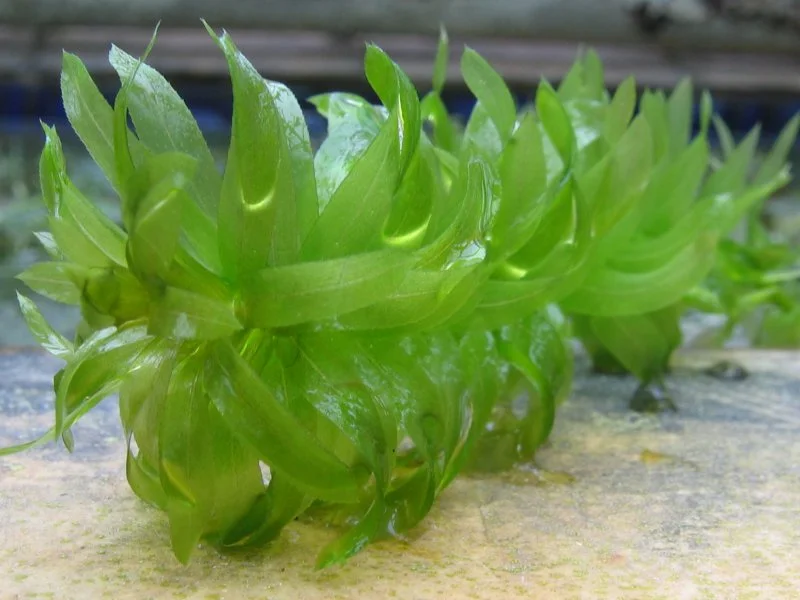
Growth habitVertical, Branching, Floating colony
Typical submerged height40–100 cm
Typical width or spread3–25 cm
Primary placementBackground
Growth rateFast
Care
Minimum light levelLow
Recommended light levelLow
CO₂ requirementNot required
Nutrient uptakeWater column
Substrate requirementsAnchoring only
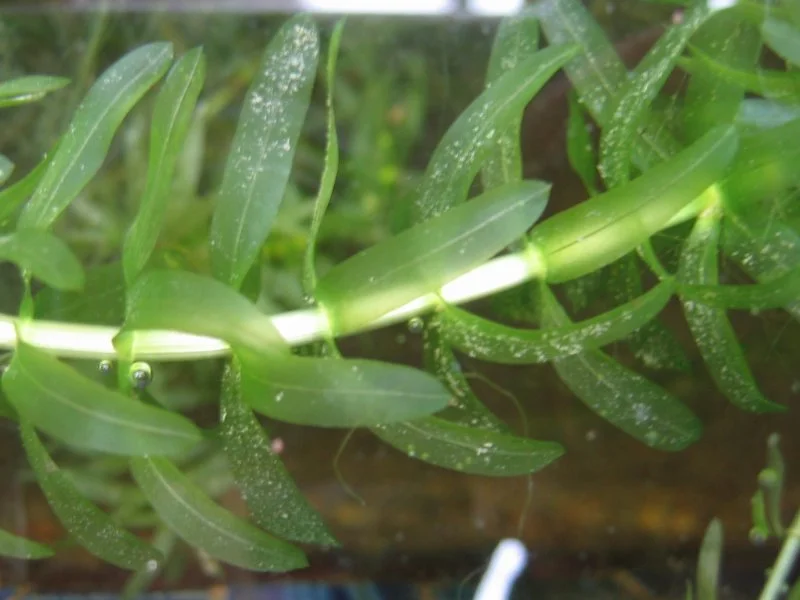
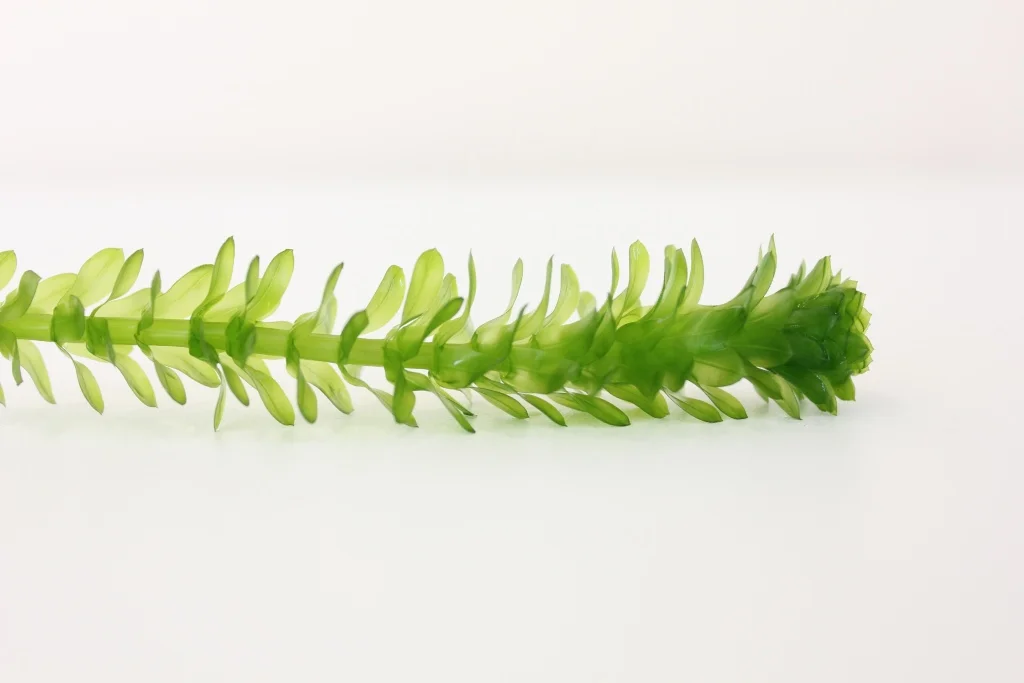
PlantingEgeria dense is planted in groups of 3–5 stems, burying the lower part of the cutting in the substrate; before planting, the lower leaves are removed to secure the bare stem in the substrate. The plant can also be left floating in the water column — this does not harm it. Its weak root system mainly serves for anchoring, so sand or fine aquarium substrate is suitable.
MaintenanceBasic care for Egeria dense involves regular trimming of fast-growing shoots, weekly water changes of about 20%, and ensuring good filtration, as small leaves easily trap debris; the plant is propagated by cuttings about 20 cm long, which are planted in substrate or left floating.
Compatibility
CompatibilityEgeria densa is well-suited for cold and temperate aquariums, quickly stabilizes new setups, and suppresses algae development, including blue-green algae, through nutrient absorption and allelopathy. However, its delicate leaves are readily eaten by herbivorous fish (goldfish, cichlids, large barbs) and aquatic turtles, making it incompatible with such species. It coexists well with most peaceful tropical and temperate fish.
Leaf toughnessSoft
Rooting stabilityMedium
Structural fragilityFragile
Aquarium toxicity riskEgeria dense is non-toxic to fish and invertebrates in the aquarium; it is widely used as an oxygenator and shelter for fry. The plant releases allelopathic substances that suppress the growth of phytoplankton and blue-green algae (Microcystis, Anabaena), which in the aquarium manifests as a beneficial property — water bloom control. Some commercial descriptions noting 'unsafe for shrimp' are unsubstantiated by scientific data and are likely related to pesticide treatments of imported plants, not toxicity of the species itself.
Disposal warningEgeria densa is an aggressive invasive species, banned in several US states and listed in quarantine lists. Never drain aquarium water or dispose of plant cuttings into water bodies, ditches, or sewage: even a stem fragment with a node can root and form a new colony. Residues should be dried, frozen, or disposed of with household waste to prevent environmental release.
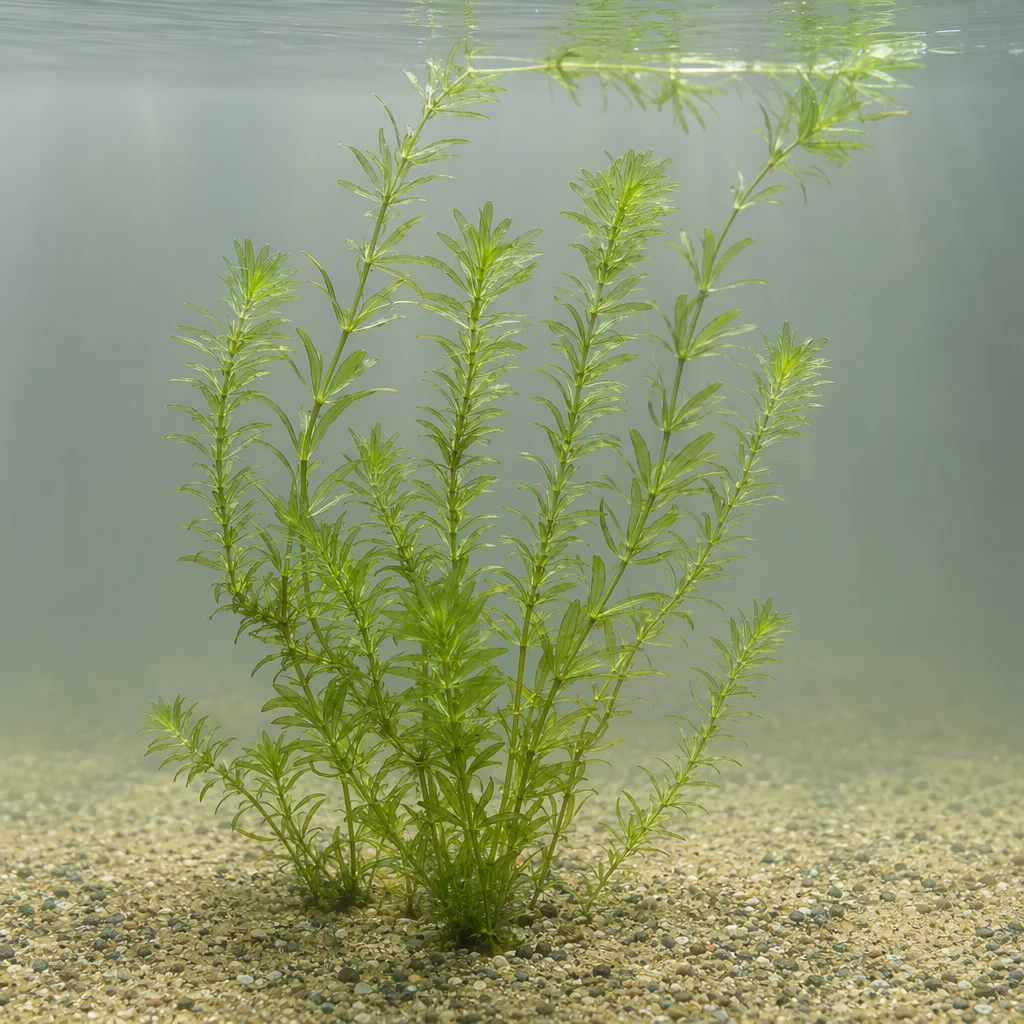 Reference illustration · may contain inaccuracies