Overview
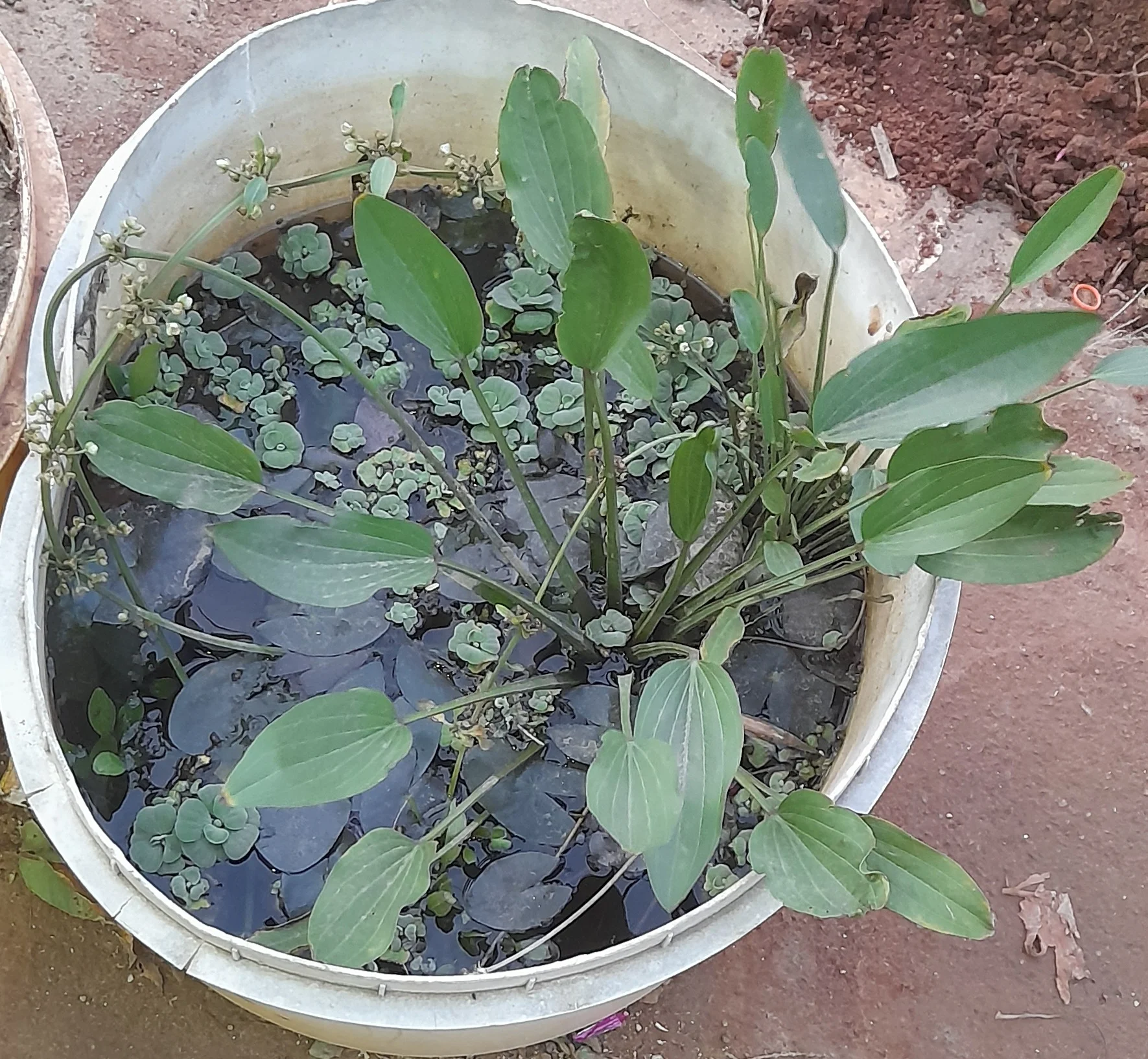
Sustainable aquarium useFully submerged, Roots in water, Paludarium
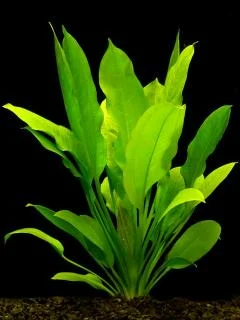
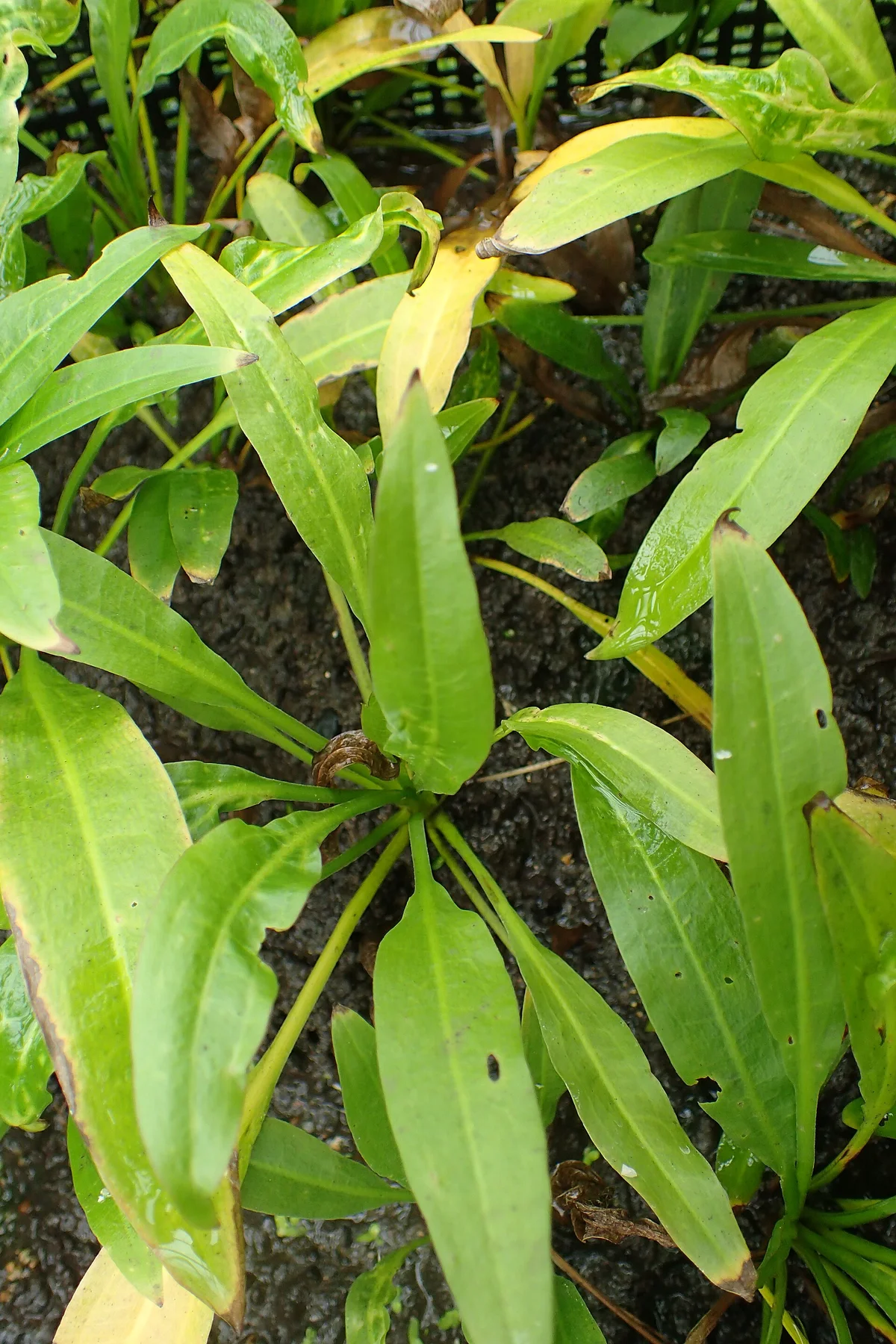
Growth formRosette
Growth habitVertical, Runners
Typical submerged height20–60 cm
Typical width or spread20–50 cm
Primary placementBackground
Growth rateMedium
Care
Minimum light levelLow
Recommended light levelMedium
CO₂ requirementBeneficial
Nutrient uptakeRoot
Substrate requirementsNutrient substrate or root feeding
PlantingThe plant is rooted in the substrate, leaving the growth point (center of the rosette) above the surface, but not buried. A layer of substrate at least 5–7 cm thick is recommended, as the Amazon Sword has a strong root system; long roots can be shortened to about 2 cm during planting.
MaintenanceBasic care involves providing a deep nutrient substrate (5–7 cm or more) and regular root feeding, as the plant primarily absorbs nutrients through its roots. The growth point should be left above the substrate when planting. Pruning in the usual sense is not necessary: only old, damaged, or yellowed leaves at the base should be removed. Weekly water changes of about 20–30% are recommended. Additional CO₂ injection is desirable under bright lighting.
Compatibility
CompatibilityIt is compatible with most peaceful communities: its broad leaves provide cover and spawning substrate for angelfish, and it is suitable for tetras, gouramis, corydoras, and shrimps; it is not recommended to plant with large burrowing fish that can damage the root system.
Leaf toughnessFirm
Rooting stabilityStrong
Structural fragilityOrdinary
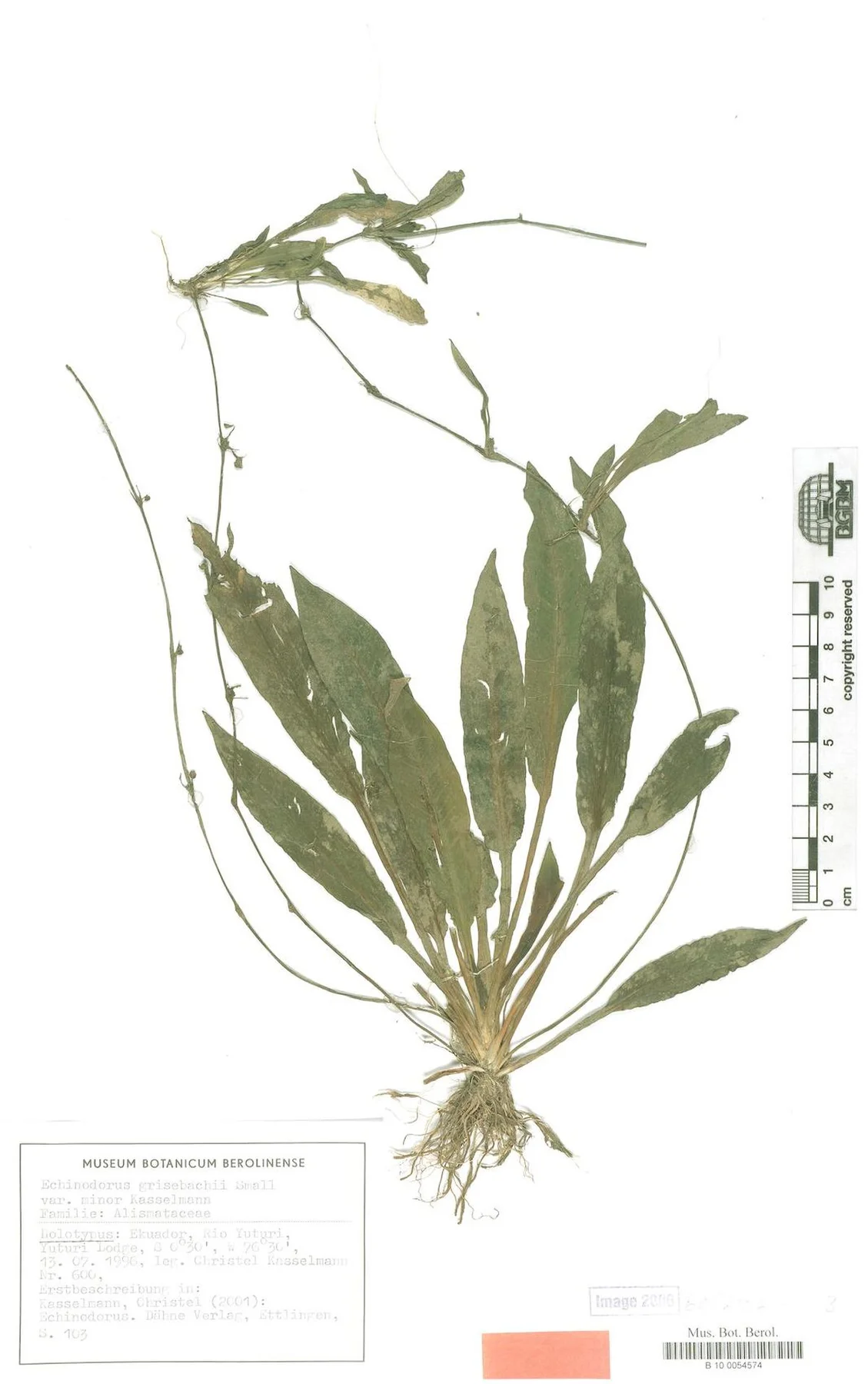
Aquarium toxicity riskThere is no information on the toxicity of Echinodorus grisebachii (family Alismataceae) to fish and invertebrates in the aquarium; the plant is widely and safely used in community tanks, including cichlid and shrimp tanks, and is not listed among toxic aquarium plants.
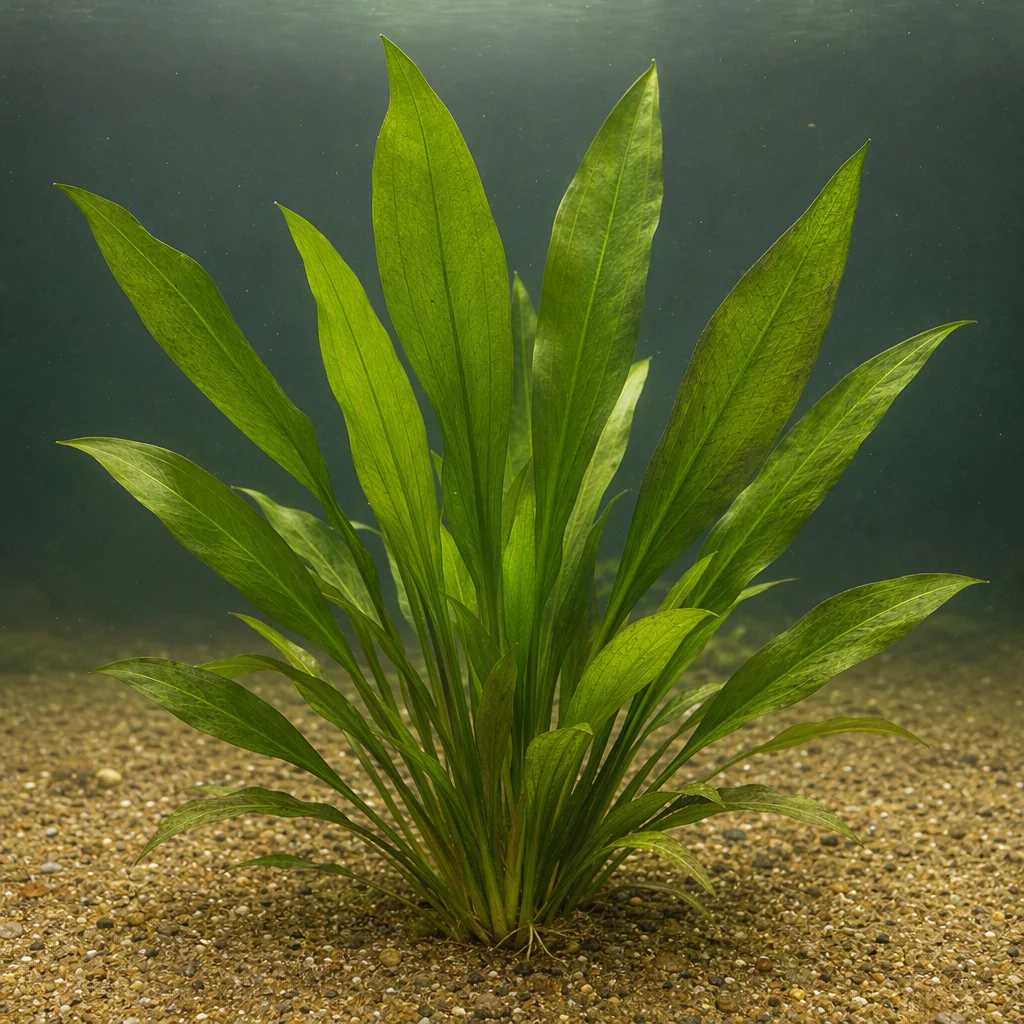 Reference illustration · may contain inaccuracies