Overview
Sustainable aquarium useFully submerged, Floating, Roots in water, Paludarium
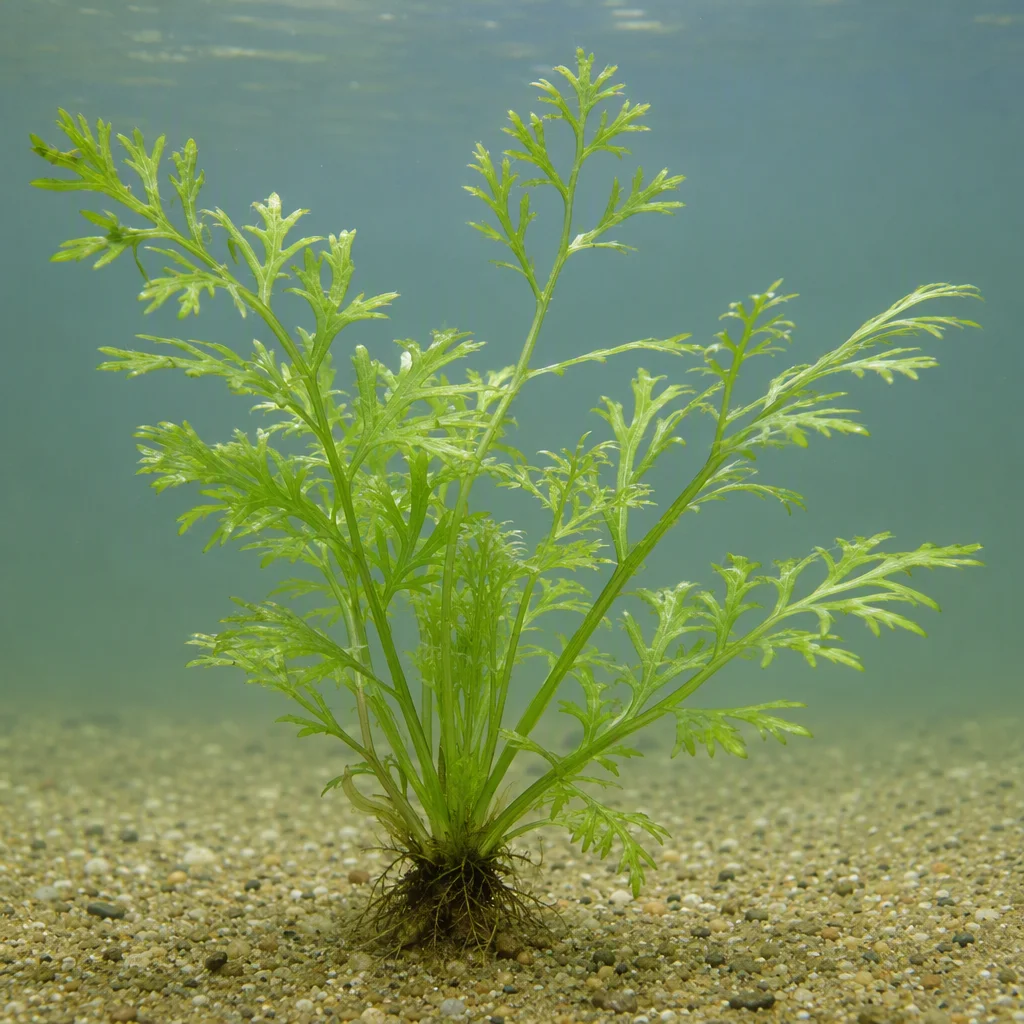
Growth formRosette
Growth habitVertical, Branching
Height15–50 cm
Primary placementBackground
Growth rateFast
Care
Minimum light levelLow
Recommended light levelMedium
CO₂ requirementNot required
Nutrient uptakeWater column
Substrate requirementsAnchoring only
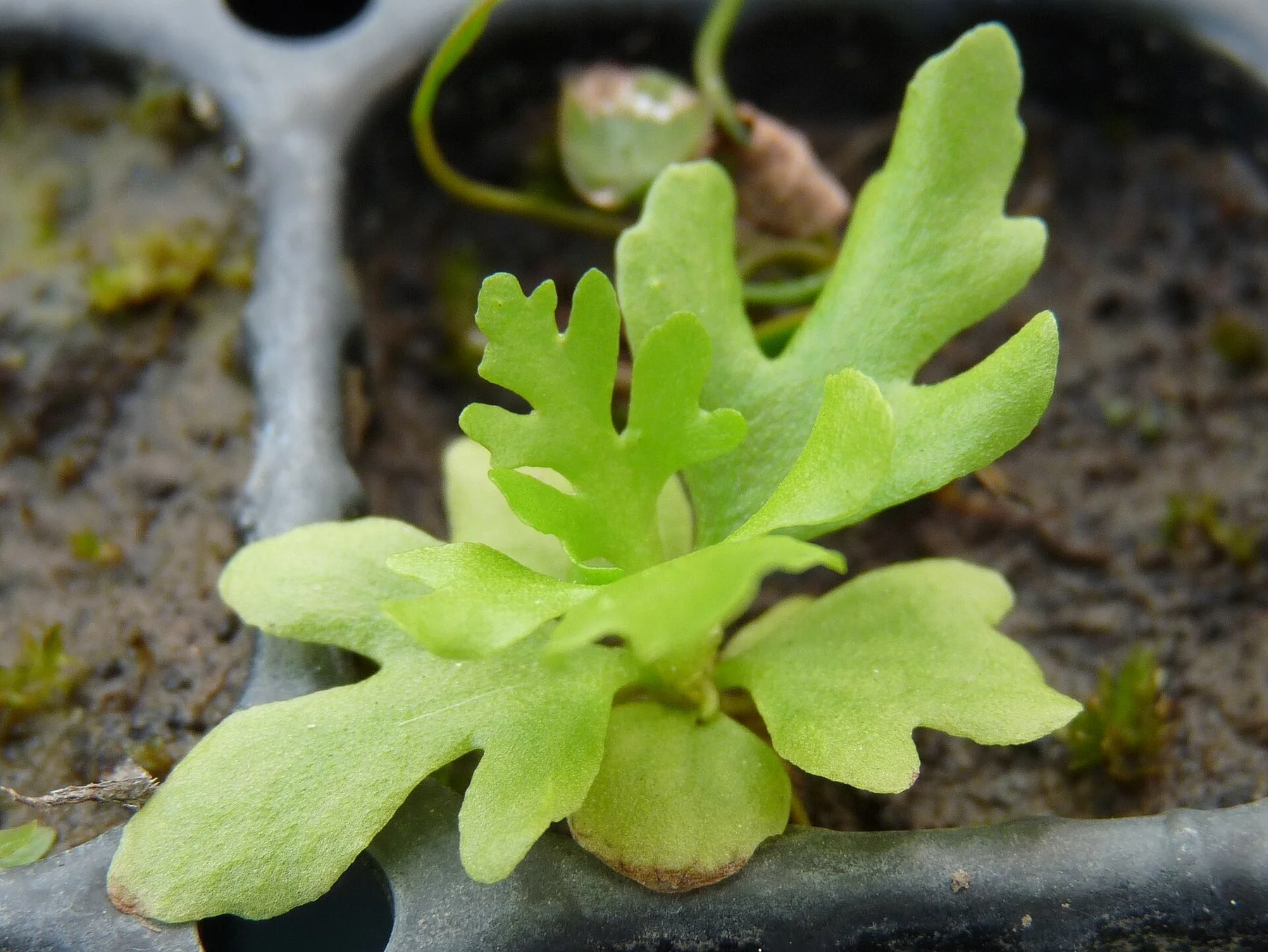
PlantingWhen planting in soil, the rhizome is buried shallowly (2–3 cm), leaving the growth point (crown) above the substrate surface to prevent rot. The substrate should be soft — sand, fine river gravel, or silted substrate with a layer of 4–5 cm; the root system is delicate and brittle. The plant can also be grown floating at the water surface without anchoring or attached to stones and driftwood with thread or aquarium glue. Growing in a separate pot with nutrient substrate is also permissible.
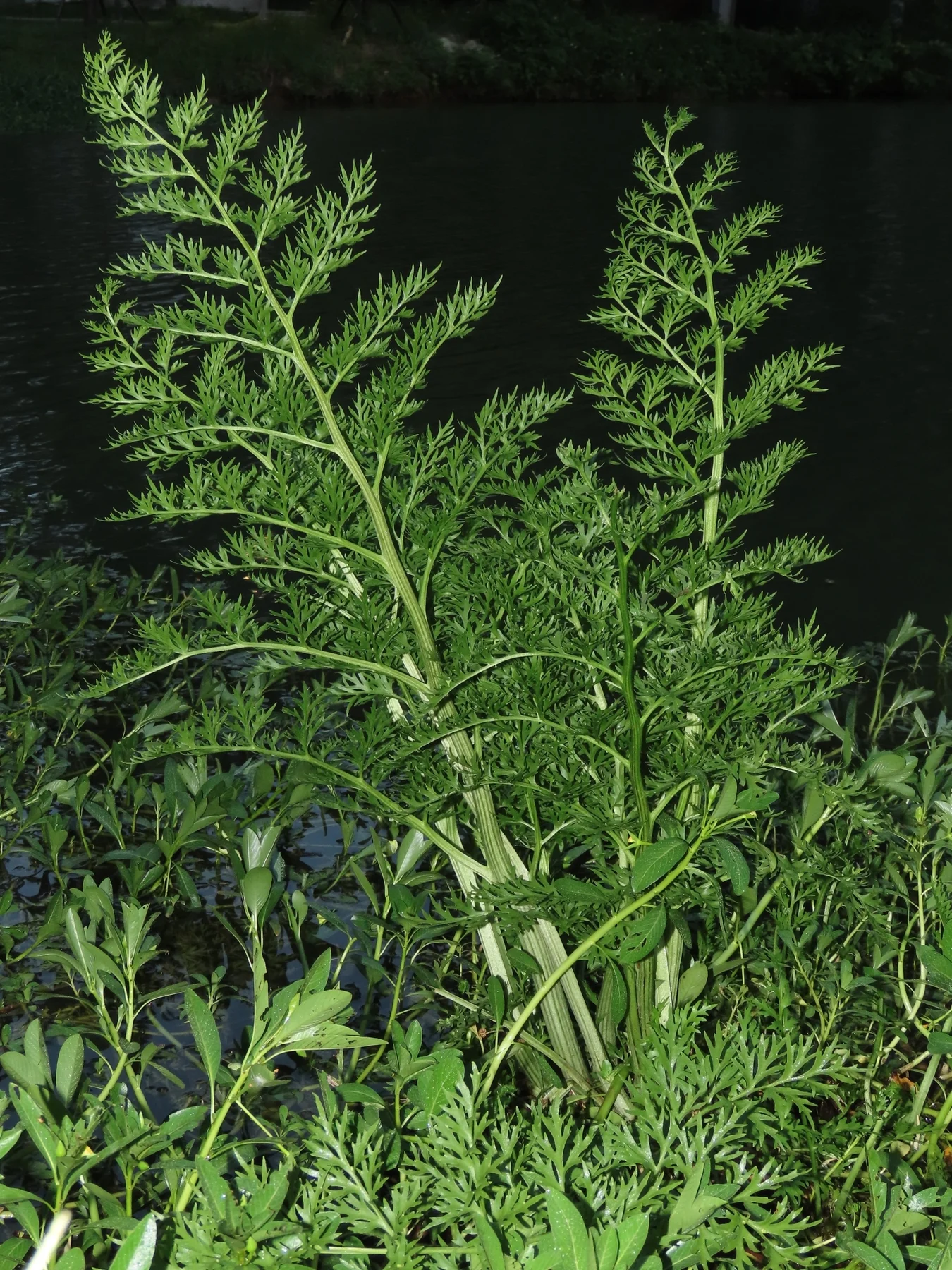
MaintenanceBasic care: regular pruning to control rapid growth (the plant can reach 40–50 cm); planting in soft, silted substrate (coarse sand, 4–5 cm layer) without deepening the rhizome; lighting from moderate to bright (0.4–0.5 W/l, 8–12 hours of light per day); temperature 22–28 °C, pH 5–8; water changes are not necessary — the plant filters water itself, absorbing organic compounds; CO₂ is not mandatory but accelerates growth; mineral fertilization is not required but beneficial under intense lighting.
Compatibility
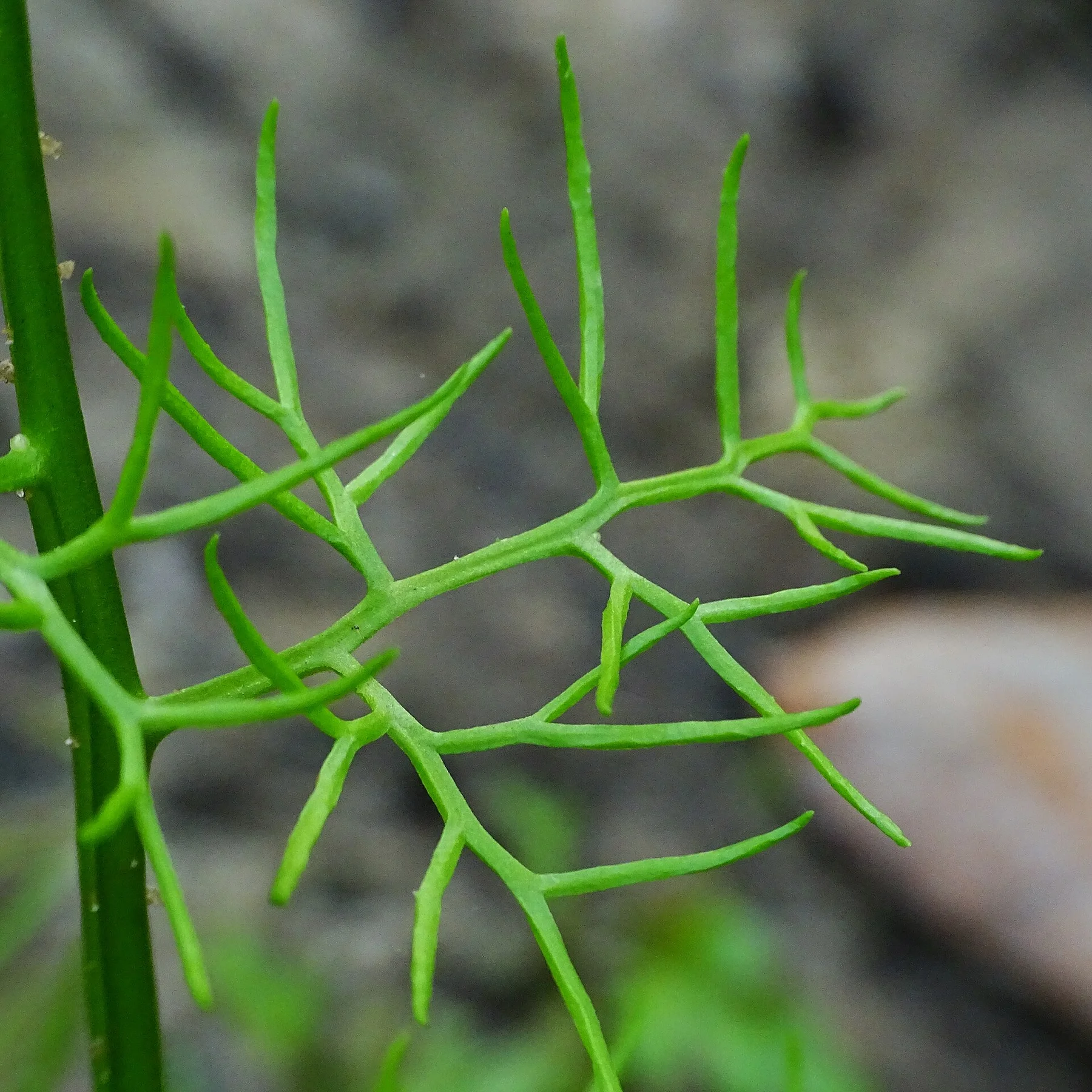
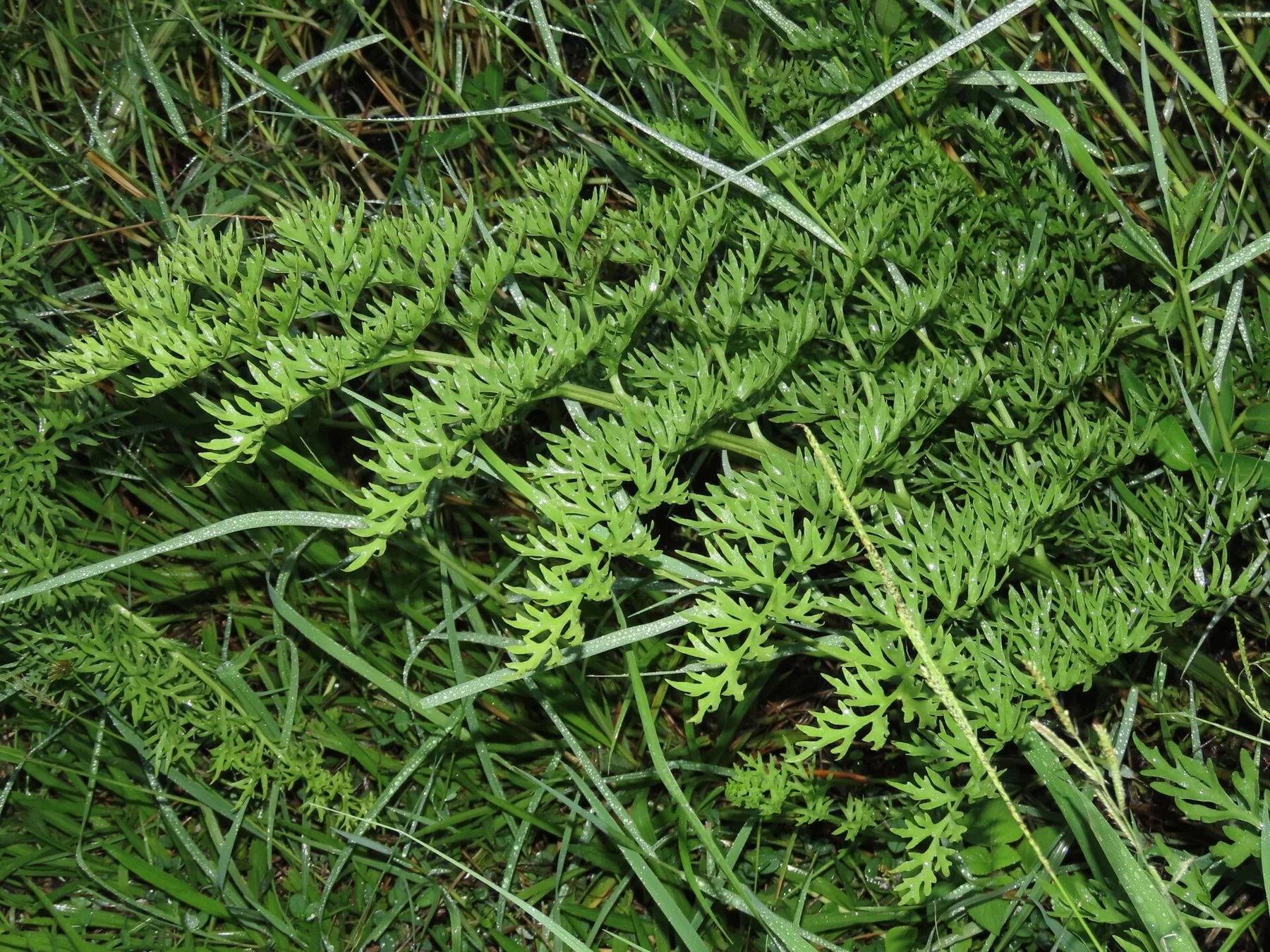
CompatibilityThe fern is compatible with a wide range of peaceful aquarium inhabitants and other plants. Its fast-growing lacy leaves and extensive root system in floating form provide reliable cover for fry, shrimp, and small fish (Gouramis, Guppies, Tetraodon often hide in the thickets). In rooted form, the plant requires gentle handling of the root system and is not recommended to be kept with active digging fish (e.g., large cichlids) or crustaceans/shrimps that may damage the roots and cause plant death. Floating form has higher resistance to root-damaging fish. The plant spreads quickly and can shade neighbors, so thinning is necessary in densely planted aquariums.
Leaf toughnessSoft
Rooting stabilityMedium
Structural fragilityFragile
Aquarium toxicity riskThe plant is non-toxic to aquarium inhabitants. It is widely used in breeding and grow-out tanks as cover for fry and shrimps, compatible with many peaceful fish species. The leaves are soft and safe for fish; in some Asian regions, the plant is consumed by humans as a vegetable, confirming its non-toxicity. Specialized databases (PlantFun, ASPCA) do not note toxicity to pets.
Disposal warningCeratopteris thalictroides is invasive in some regions (Western Australia, Louisiana, California). Releasing the plant or its fragments into natural water bodies is prohibited. Disposal should be through composting, drying, or throwing away in household waste, preventing entry into the environment. Do not drain aquarium water with plant fragments into local water bodies.
 Reference illustration · may contain inaccuracies