Overview
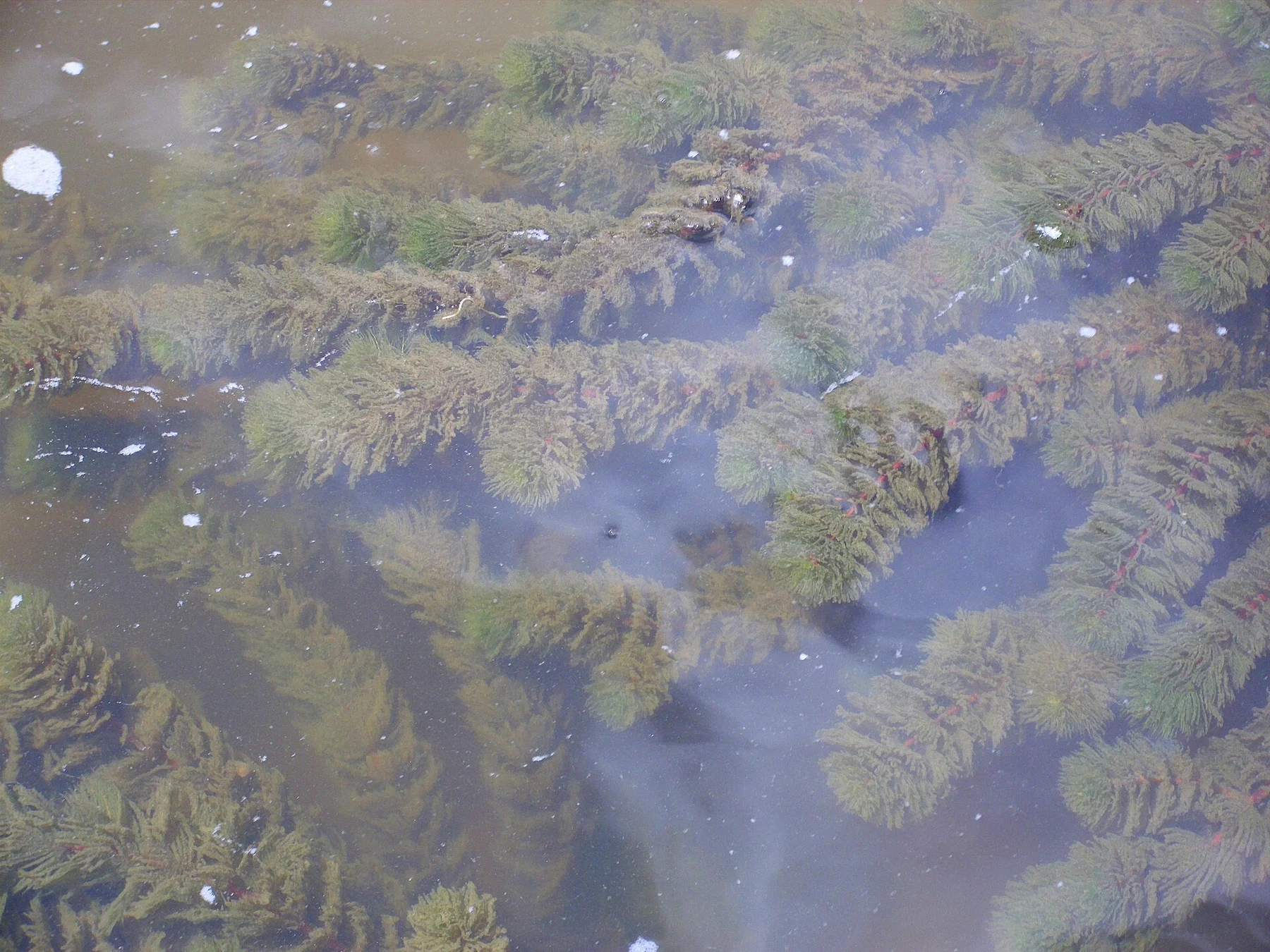
Sustainable aquarium useFully submerged, Floating
Growth formStem
Growth habitVertical, Branching
Height20–100 cm
Primary placementBackground
Growth rateFast
Care
Minimum light levelLow
Recommended light levelMedium
CO₂ requirementNot required
Nutrient uptakeWater column
Substrate requirementsNone
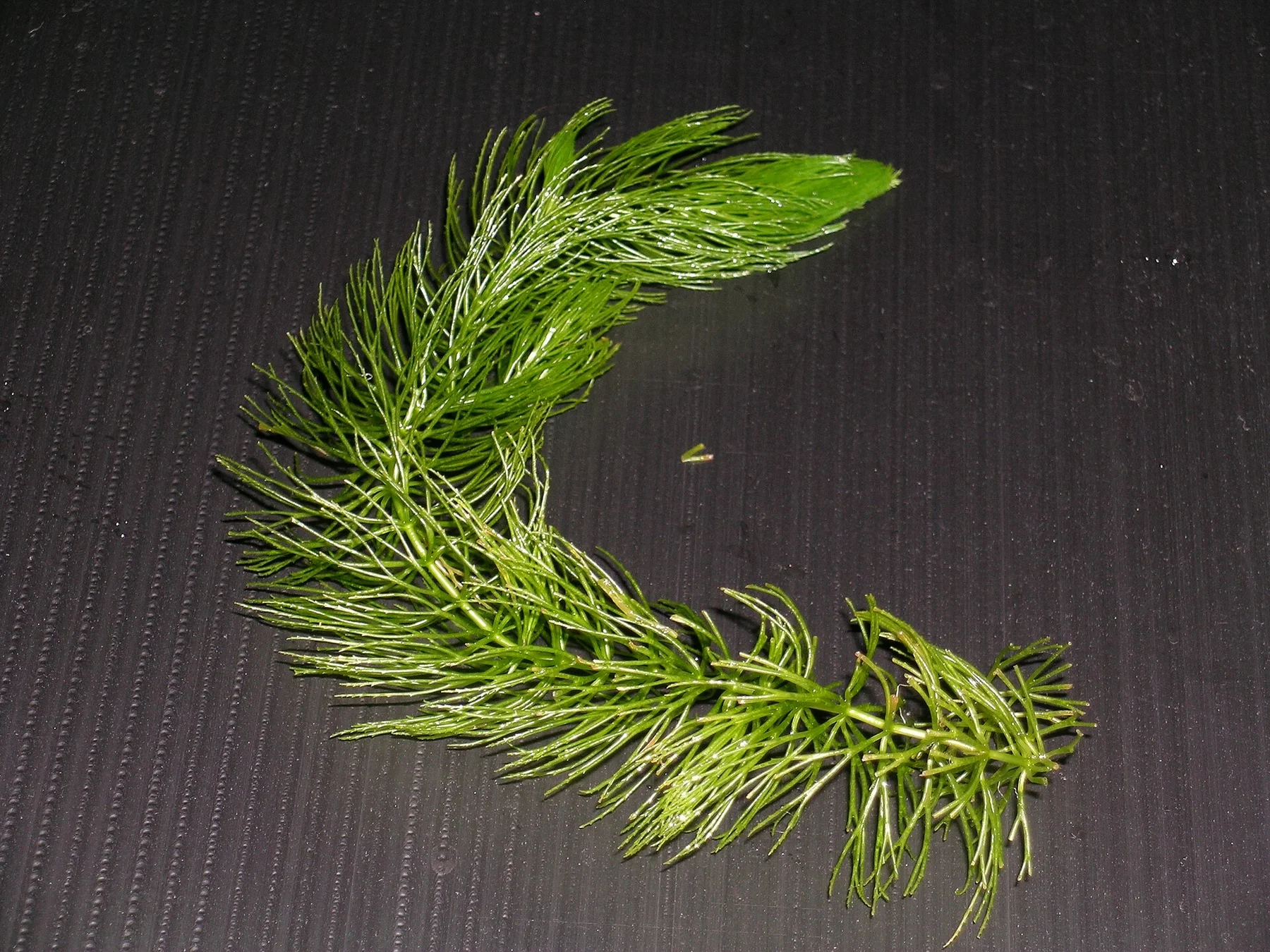
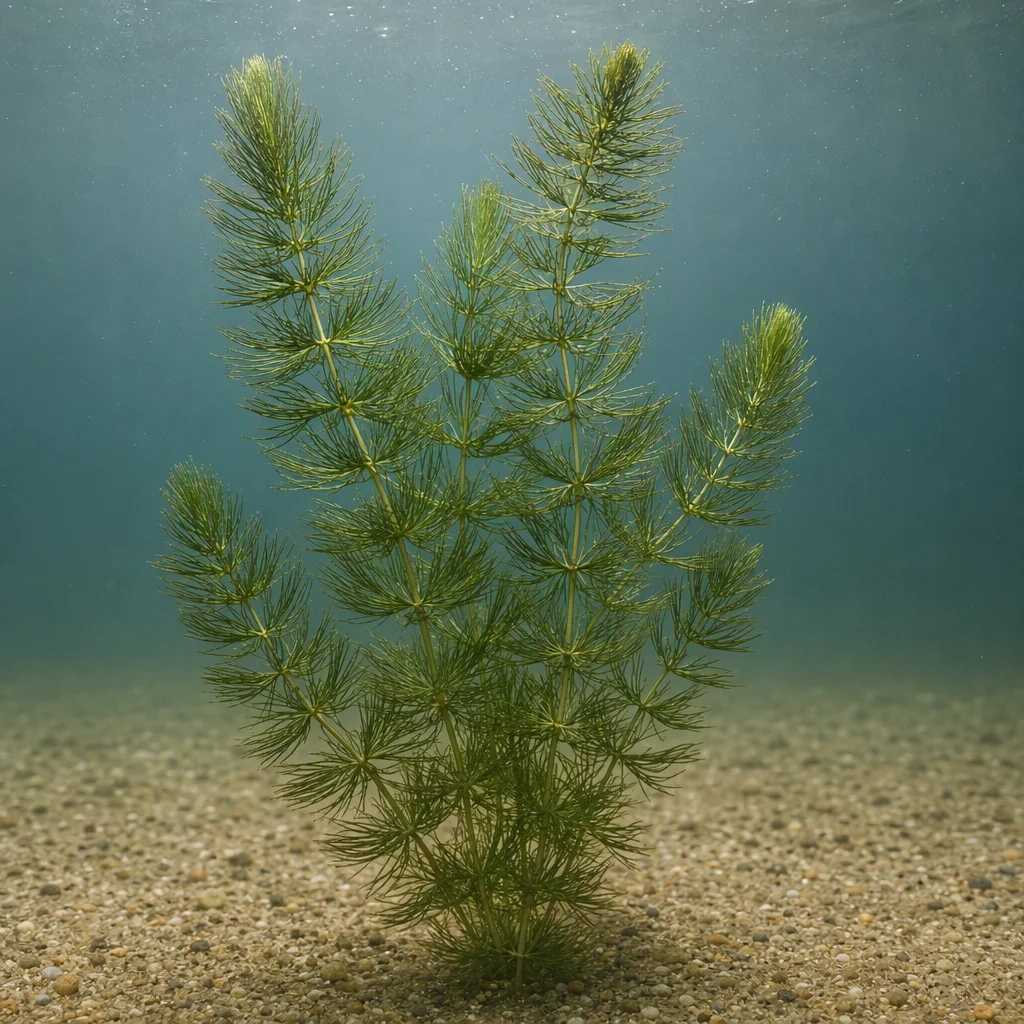
PlantingCeratophyllum has no true roots, so it can simply be left floating in the water column—this is the most natural and common method. If desired, the plant can be anchored to the bottom by gently pressing a bunch of stems with a stone or tying it to a driftwood, without burying it in the substrate—as burying the lower part of the stem can cause it to rot. Sand or light soil can be used as substrate. The plant can also be attached to the back wall or along the side walls of the aquarium.
MaintenanceVery undemanding species. Mostly used as a free-floating plant or loosely attached to the background with stones or clips (no true roots, stems are brittle). Regular trimming and thinning are required due to very rapid growth, otherwise, the thickets will shade other plants and fill the entire aquarium volume. The lower part of the stem becomes bare and loses leaves over time. The plant does not require substrate fertilization or CO₂; it absorbs nutrients from the water column (liquid fertilizers are beneficial). Falling plant debris can clog filters.
Compatibility
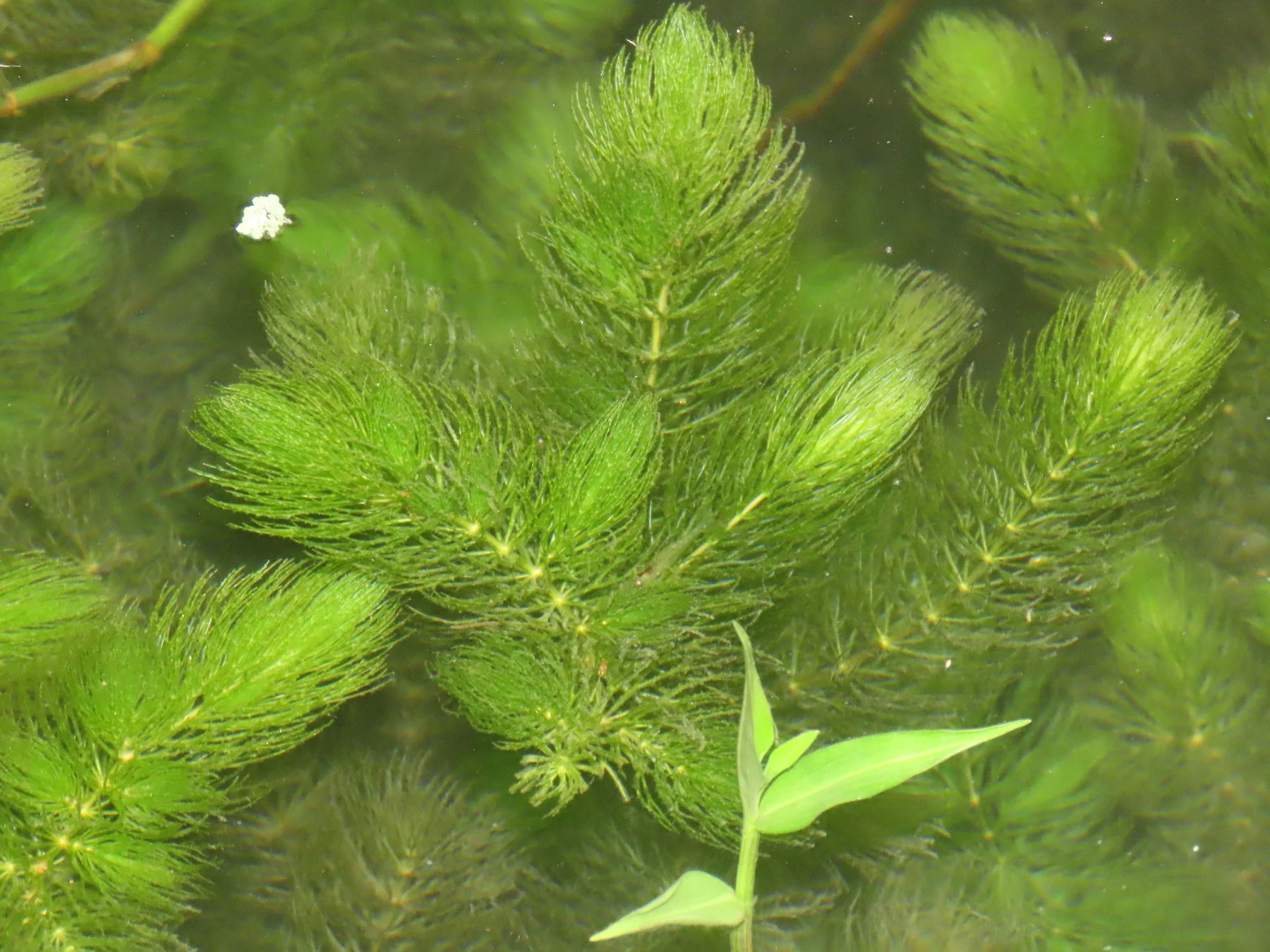
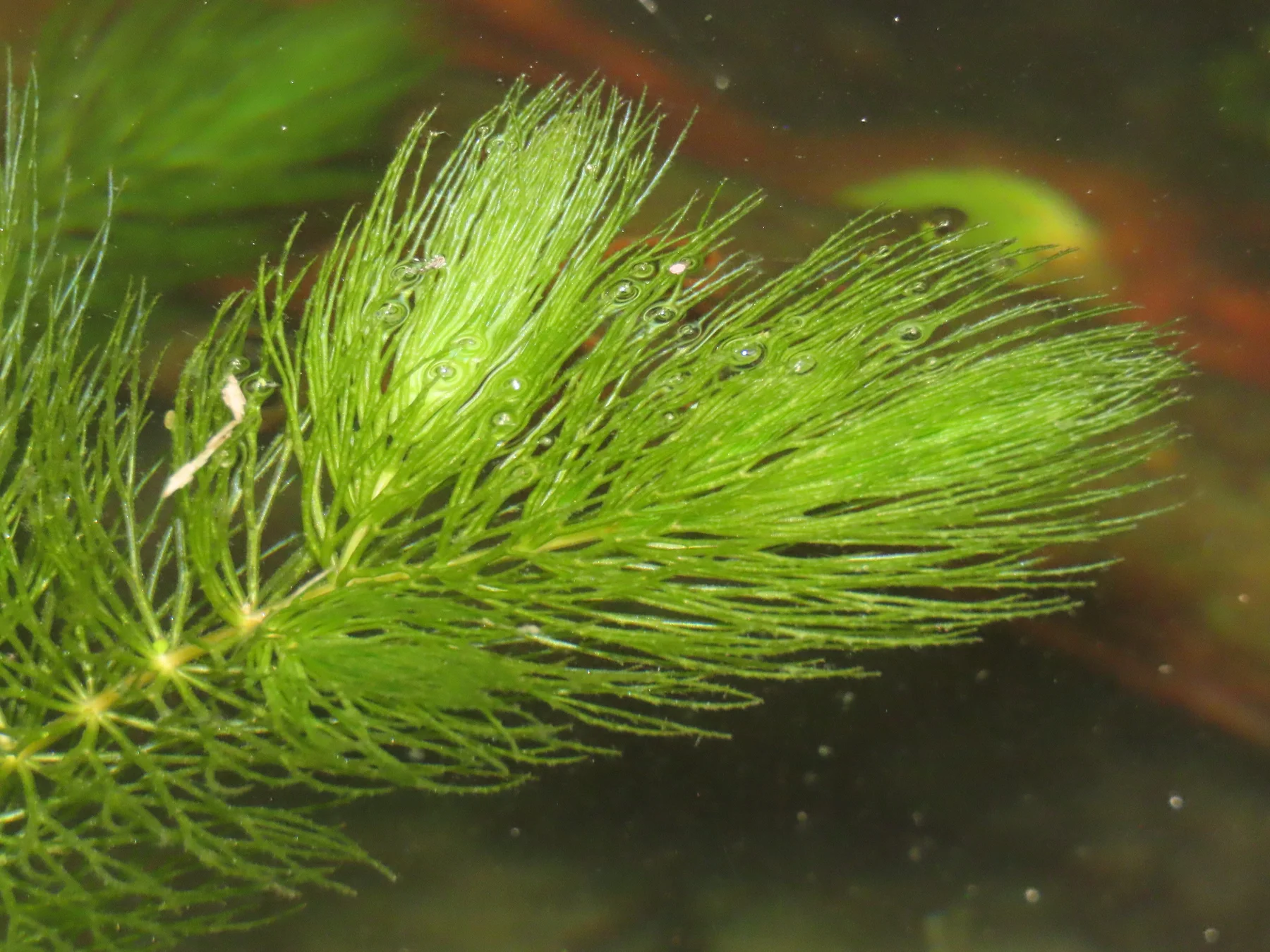
CompatibilityDark green Elodea is one of the most versatile and compatible aquarium plants. It is suitable for both tropical and coldwater aquariums (including those with goldfish), as it tolerates a wide range of temperatures, pH, and hardness. Dense, airy thickets provide excellent shelter for fry of livebearers (guppies, endlers, mollies) and shrimps, as well as a substrate for fish spawning that lay eggs on small-leaved plants. Thanks to its tough, spiny leaves and cuticle, the plant is usually not eaten by herbivorous fish (goldfish, koi, African cichlids, turtles). It effectively absorbs nitrates, phosphates, and ammonia, competing with algae, and releases allelopathic substances that suppress their growth. However, rapid growth requires regular thinning: Elodea can occupy a large part of the volume, shading other plants and depriving them of nutrients. Fallen needle-like leaves under stress should be removed by siphoning. The plant is sensitive to copper-containing preparations.
Leaf toughnessFirm
Rooting stabilityNone
Structural fragilityFragile
Aquarium toxicity riskCeratophyllum demersum is considered safe for fish, shrimp, and snails and is widely used in aquariums with livebearers, shrimp, and fry. The plant releases allelopathic substances (including fatty acids and sulfur compounds) that suppress the growth of cyanobacteria and some algae, but do not have toxic effects on vertebrate and invertebrate inhabitants of the aquarium. During mass trimming, water may become cloudy, so a partial water change is recommended after heavy pruning.
Disposal warningCeratophyllum demersum is an invasive species in many parts of the world (New Zealand, Tasmania, etc.), where its cultivation, sale, and distribution are legally prohibited. The plant propagates by stem fragments: even a small piece of shoot can give rise to a new plant. Never dispose of cuttings or whole plants into natural water bodies, ponds, storm drains, or sewage. Dispose of plant material in a tightly sealed bag with household waste (not in compost or green waste containers). Check local regulations before purchase: in some jurisdictions, keeping and maintaining this species is also prohibited.
 Reference illustration · may contain inaccuracies