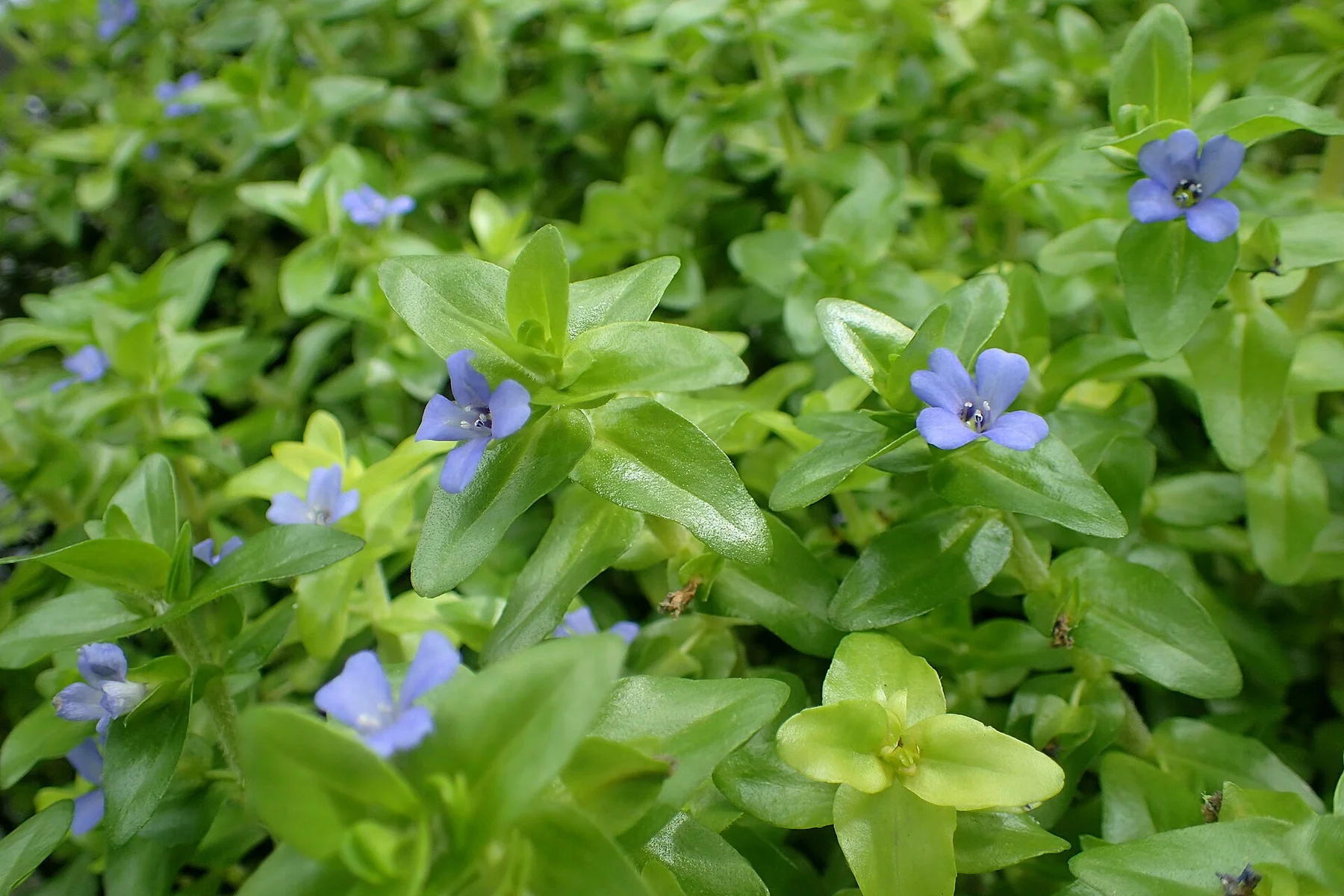
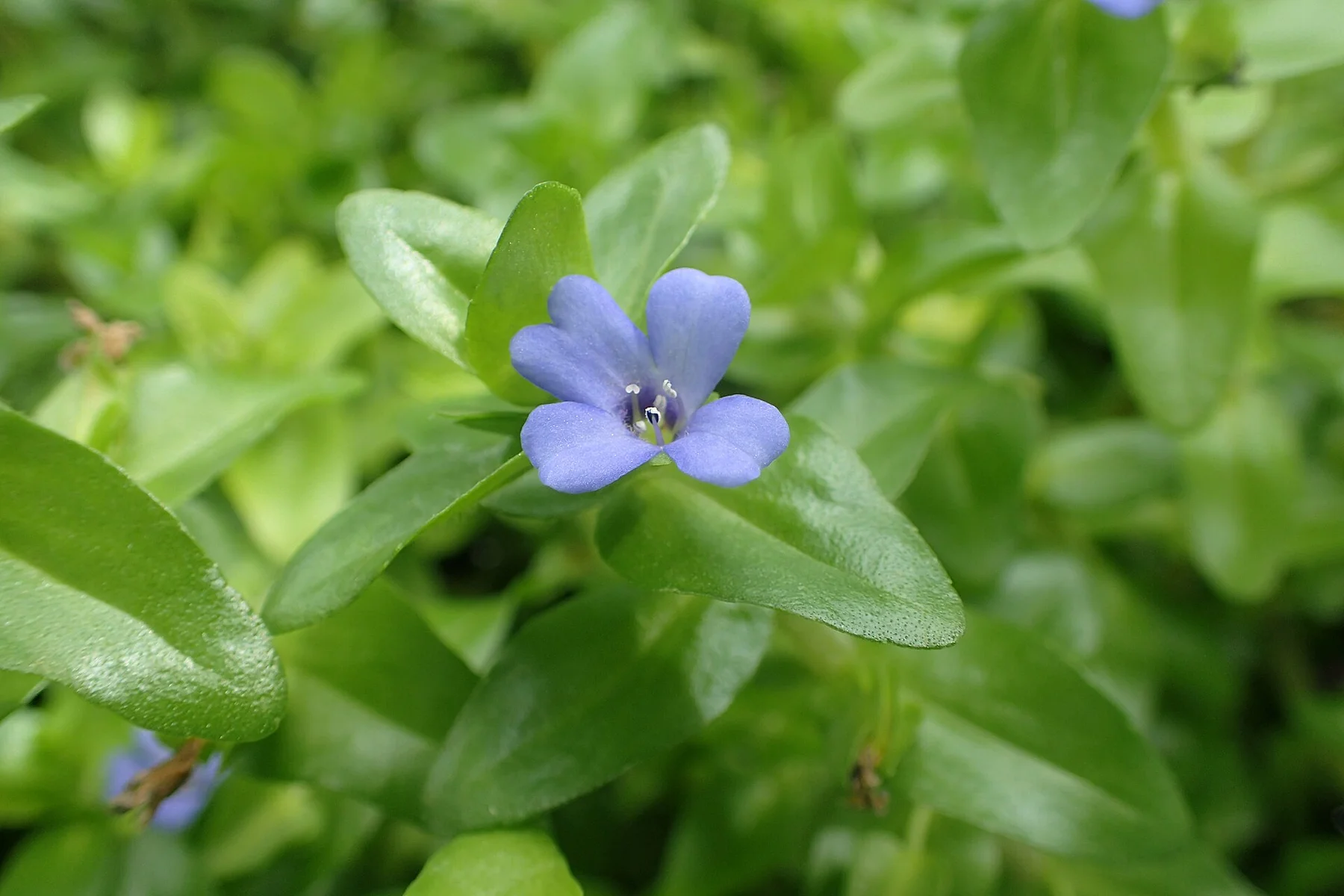
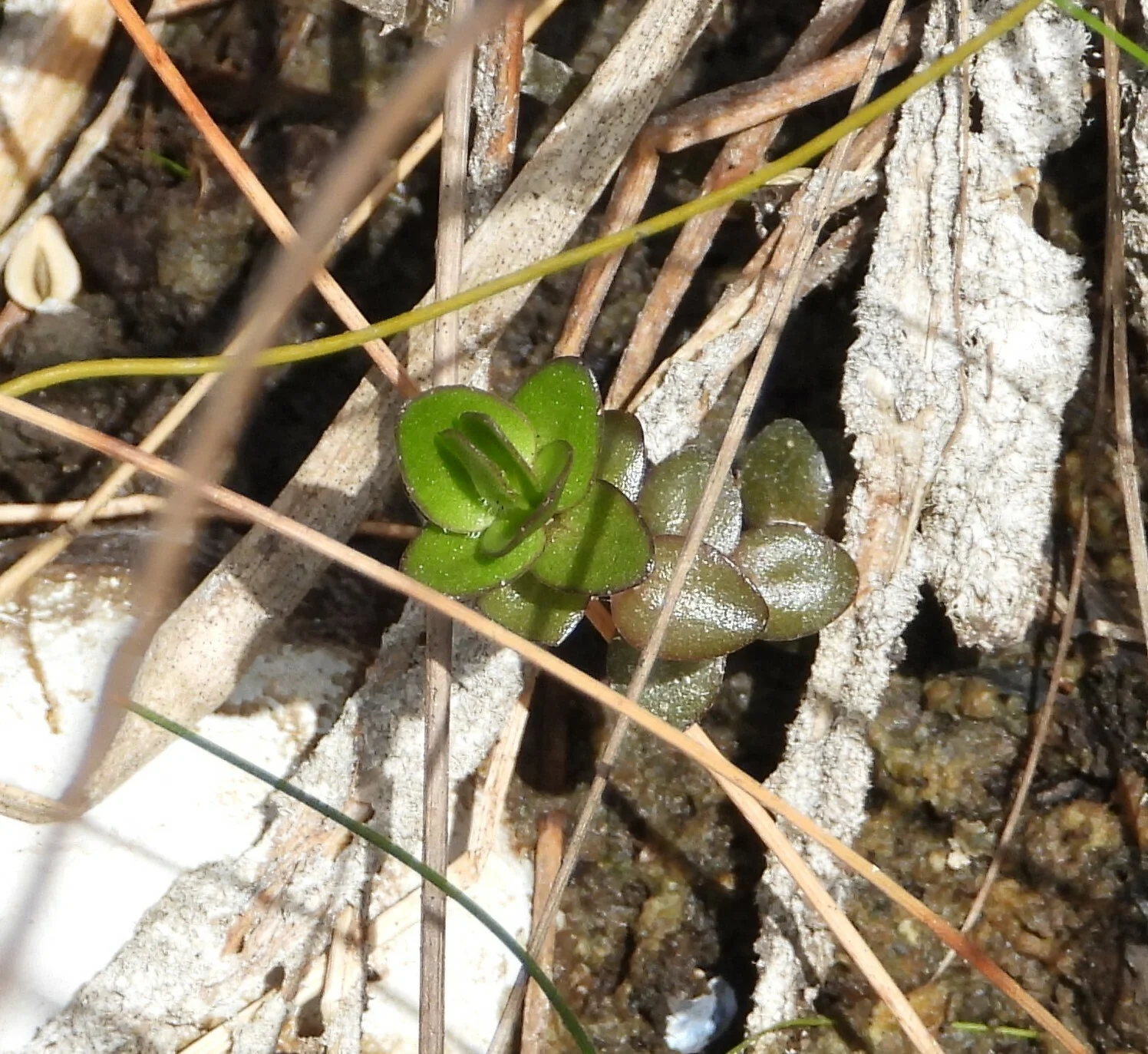
Overview
Sustainable aquarium useFully submerged, Paludarium
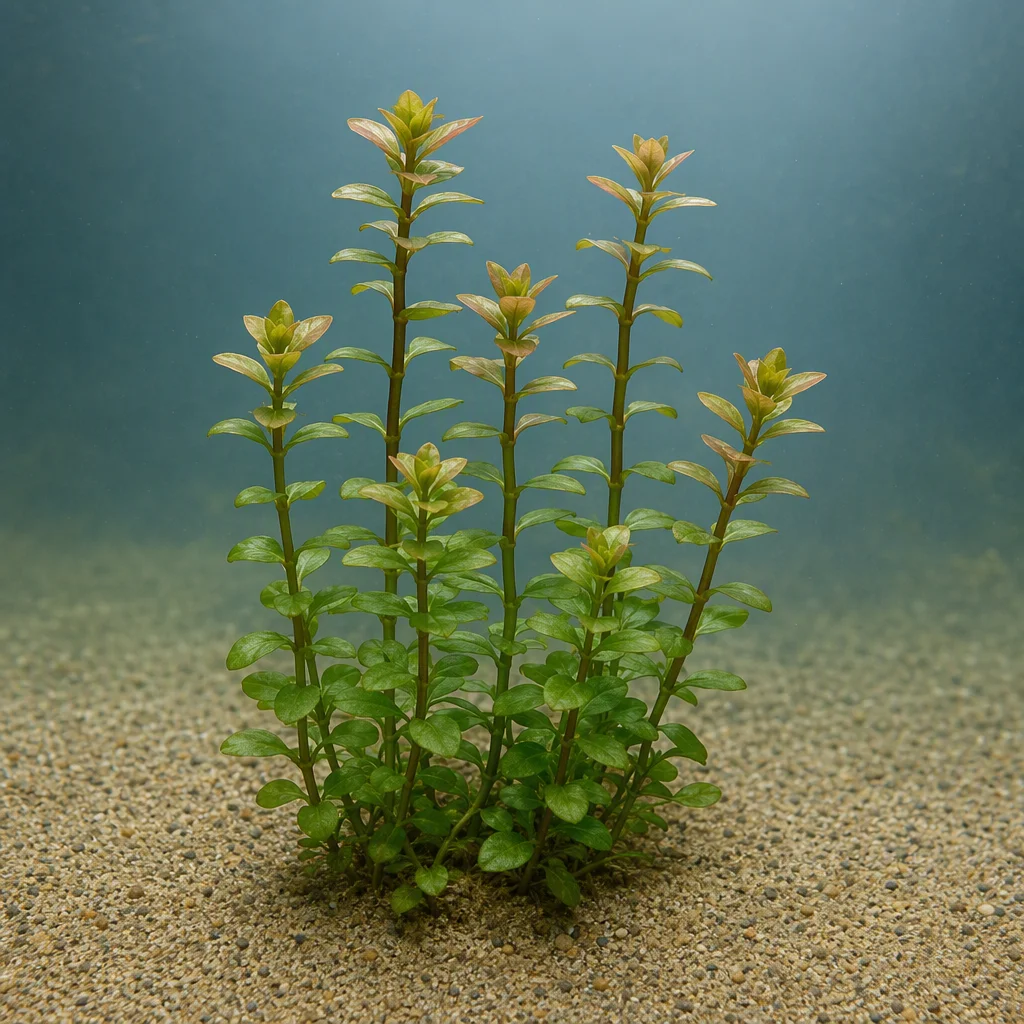
Growth formStem
Growth habitVertical, Branching, Runners
Height20–60 cm
Primary placementBackground
Growth rateSlow
Care
Minimum light levelMedium
Recommended light levelMedium
CO₂ requirementNot required
Nutrient uptakeMixed
Substrate requirementsAnchoring only
PlantingStems are planted in groups in the substrate, burying the lower cluster of leaves (1–2 nodes) — roots develop from the nodes within about a week. Distance between stems is about 2.5–5 cm. Suitable substrates include nutrient-rich or regular substrates (sand, fine gravel, about 2–4 cm layer), as well as gravel and planting soils; a special substrate is not required. Upper shoot cuttings 10–15 cm long can be planted directly without waiting for roots. The plant does not require attachment to decor.
MaintenanceCare is simple: plant in groups in the substrate at the back, regularly trim from the top or side shoots to form a dense bush; cut tops can be rooted again. Over time, the lower part of the stem may become bare — then the bush is dug out, the lower part cut off, and replanted. Liquid fertilizers with microelements and iron, as well as nutrient substrate or root tablets, are desirable for better growth; CO₂ supplementation is not mandatory but accelerates growth and makes leaves thicker. The plant grows slowly, requires infrequent trimming, and is suitable for long-term compositions.
Compatibility
CompatibilityBacopa caroliniana is a hardy, undemanding plant suitable for most aquariums with peaceful fish, shrimp, and snails, and does not create conflicts under standard aquarium conditions. A dense group of stems provides shelter and spawning substrate for small fish (guppies, neons, danios, rasboras, corydoras), compatible with apistos and peaceful scalars. Shrimp and peaceful snails (ampullariids, nerite snails) do not harm the plant. It is not recommended to keep with large herbivorous/digging fish and aggressive large cichlids and goldfish that damage or uproot stems. Since the plant prefers shallow, well-lit aquariums with soft water, it is best combined with midground or background plants with similar light requirements, and placed near the light source in deep containers.
Leaf toughnessFirm
Rooting stabilityMedium
Structural fragilityOrdinary
Aquarium toxicity riskToxicity to aquarium inhabitants is not described: the species is considered harmless (inoffensive) to fish and invertebrates. It is actively used in planted tanks with shrimp. No toxic compounds dangerous to aquatic inhabitants are registered in accessible sources.
Disposal warningDo not dispose of the plant and its fragments into natural water bodies, ponds, channels, or storm drains. Bacopa caroliniana can establish and reproduce outside the aquarium: cases of naturalization in Australian water bodies (New South Wales) have been recorded after escape from aquarium culture. The plant easily propagates by cuttings and stem fragments, so even a small cut can give rise to a new population. Dispose of cuttings in compost (if possible, with heat treatment), household waste, or dry before disposal.
 Reference illustration · may contain inaccuracies