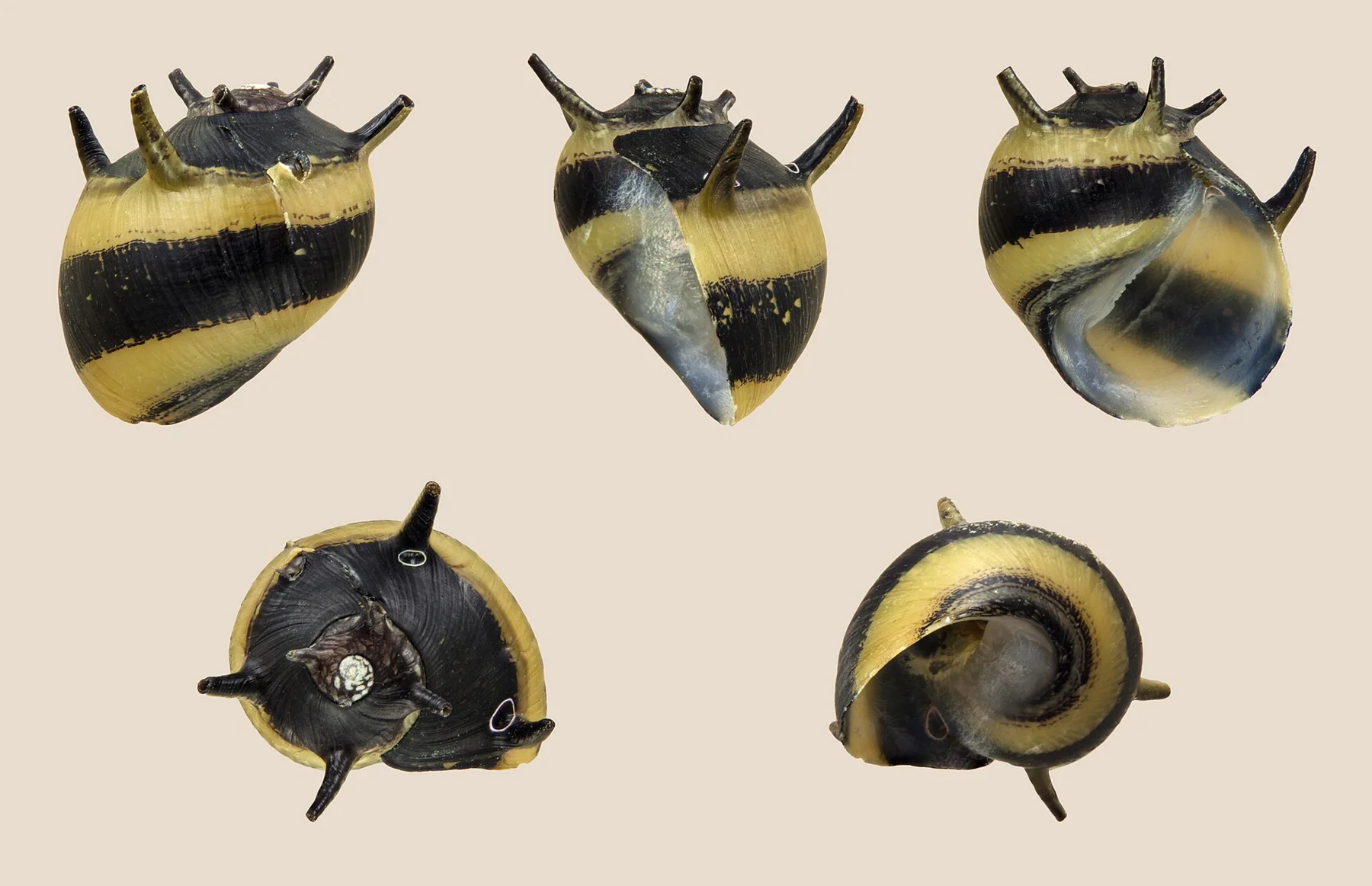
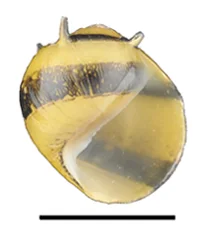
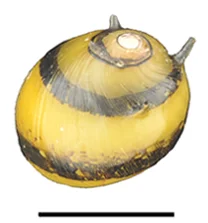
Overview
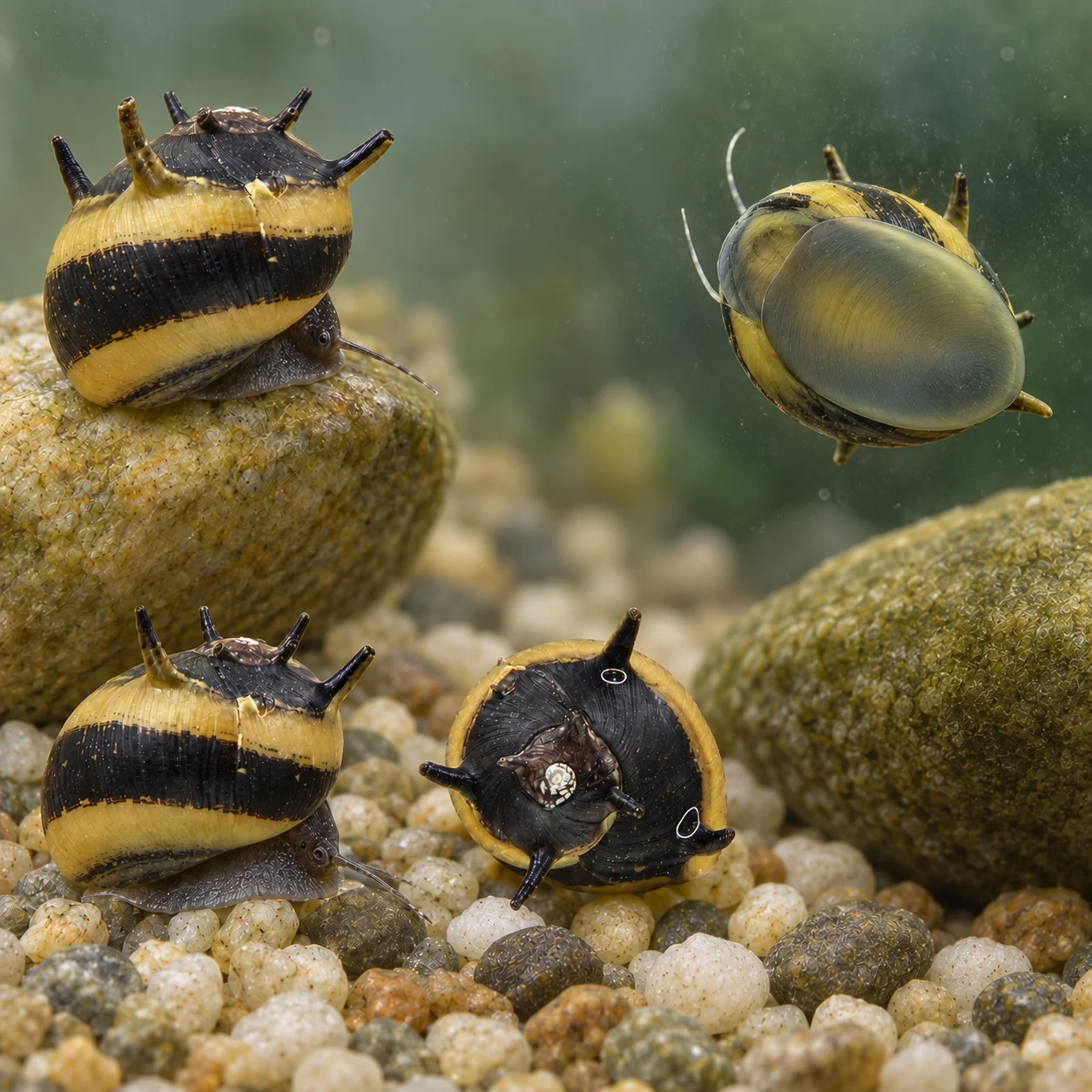
ProfileGastropod mollusk
Aquarium rolesDecorative, Algae grazer, Biofilm grazer
Adult size1–2 cm
Social modelFlexible
Minimum addition quantity3
DietGrazer, Herbivore, Detritivore
Care
Minimum aquarium volume10–20 L (allowed 5–40 L)
Suitable aquarium proportionsNo special, Standard, Wide, Shallow
Water temperature22–28 °C (allowed 20–29 °C)
pH7–8 (allowed 6.5–8.2)
General hardness10–20 °dGH (allowed 6–20 °dGH)
Shell-safe pH7–8 (allowed 7–8.2)
Shell-safe general hardness10–20 °dGH
Required dietClithon diadema is a specialized algae eater. In the aquarium, it requires a constant supply of algal growth and biofilm on glass, rocks, driftwood, and plant leaves. If natural food is insufficient, targeted supplementary feeding with algae tablets (spirulina), blanched vegetables (zucchini, spinach), or special snail foods is required. The species should not be placed in a newly set up aquarium without established algal growth - the snail will starve.
Compatibility
CompatibilityClithon diadema is a completely peaceful snail, safe for fish, shrimps, plants, and other peaceful snails. It is compatible with small peaceful fish (danios, tetras, guppies, neons, rasboras), shrimps (Neocaridina, Amano), Corydoras catfish, and Otocinclus. It should not be kept with fish that eat snails: pufferfish, some cichlids, loaches; with large predatory cichlids; or with predatory helena snails. It is also not recommended to keep with aggressive labyrinth fish (bettas, gouramis), which may show interest in the mollusk. It does not reproduce in freshwater, so it does not cause overpopulation.
TemperamentPeaceful
Interaction with plantsClithon diadema is a plant-safe snail: it feeds exclusively on algal growth (including green spot algae and black beard algae) and does not damage even soft-leaved plants. Due to its light weight, the snail can crawl on thin leaves without breaking them and clean them of growth.
Population growth riskLow
Responsible disposalDo not release Clithon diadema or its offspring into natural water bodies. The species has an amphidromous life cycle and in nature inhabits river estuaries of Southeast Asia (the Philippines, Indonesia, Thailand, Japan); introduction into foreign ecosystems can disrupt local communities. Furthermore, the species in nature suffers from overharvesting for the aquarium trade, so responsible handling involves refraining from release into the wild and transferring unwanted individuals to other aquarists or pet stores.
 Reference illustration · may contain inaccuracies