Overview
TemperamentPeaceful
Social modelGroup
Minimum group size6
Adult size2–4.5 cm
Primary swimming zoneUpper
DietOmnivore
Care
Minimum aquarium volume40–60 L (allowed 10–100 L)
Suitable aquarium proportionsStandard, Long
Water temperature24–28 °C (allowed 22–30 °C)
pH7–8 (allowed 6.5–8.5)
General hardness8–30 °dGH (allowed 4–35 °dGH)
Oxygen demandOrdinary
FeedingOmnivorous fish with a tendency towards plant matter. In nature, they feed on zoobenthos, detritus, and algae. In the aquarium, they accept most high-quality dry foods of suitable size (flakes, microgranules, chips), обязательно with plant components (spirulina). Live and frozen foods such as Artemia, Daphnia, Cyclops, small bloodworms are good supplements. Due to their small mouths, food should be of fine fraction. Feed 2–3 times a day with small portions.
Compatibility
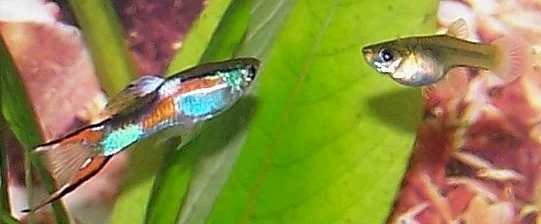
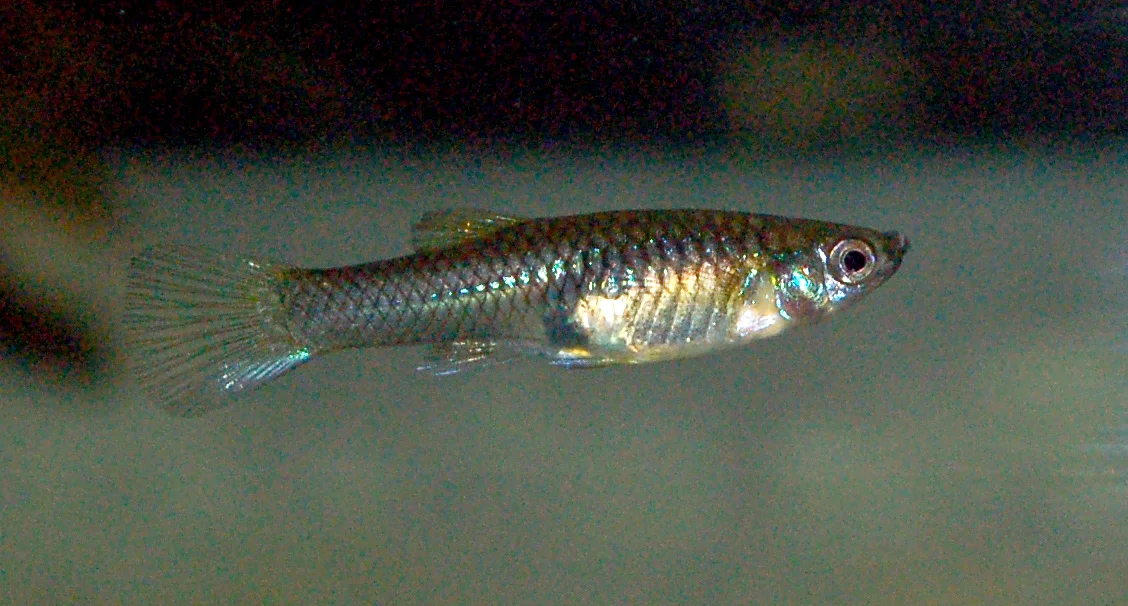
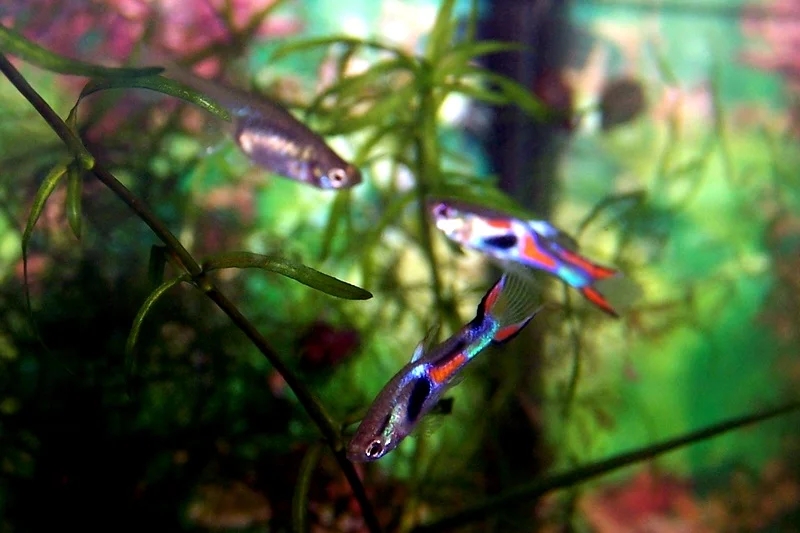
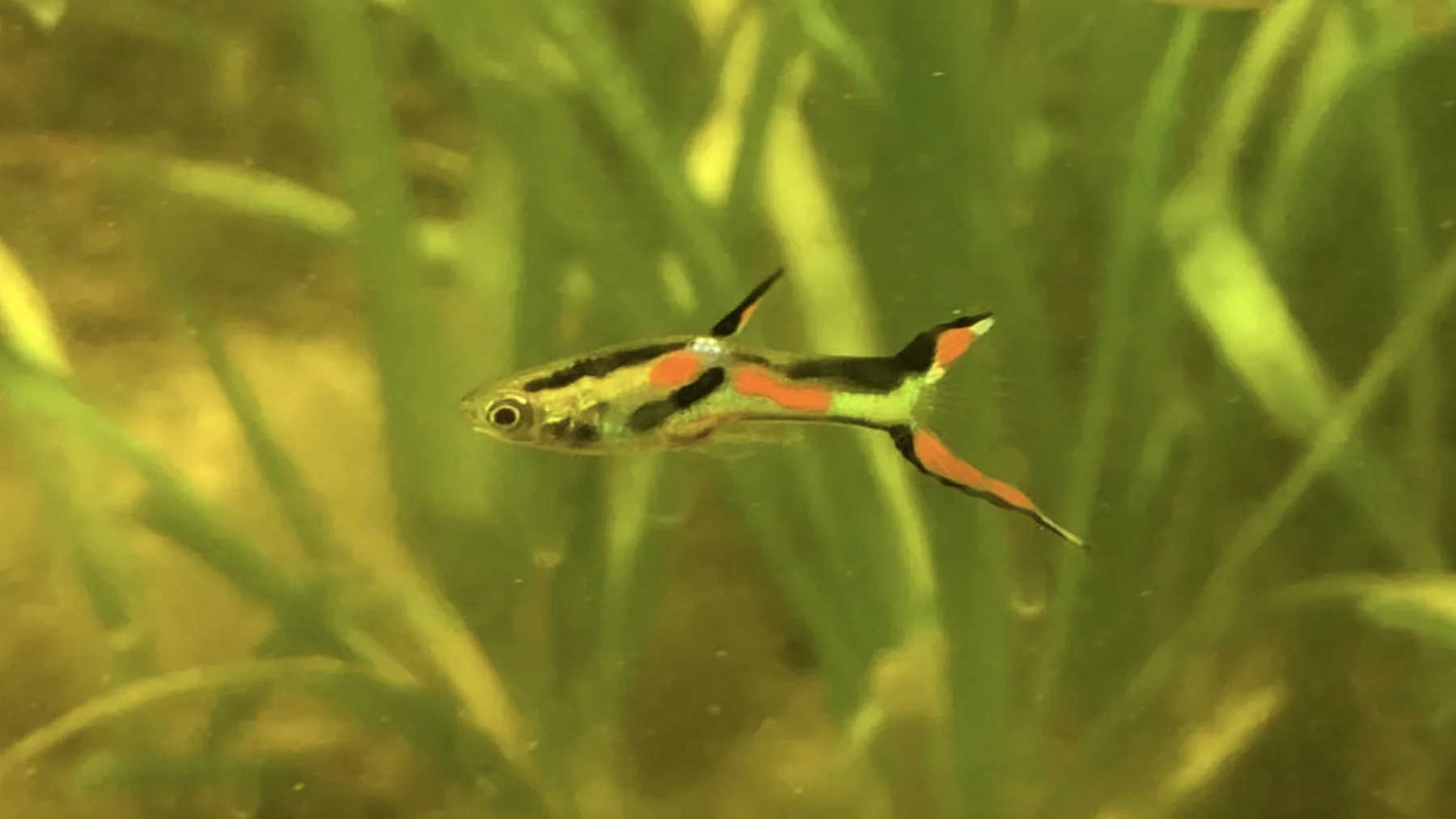
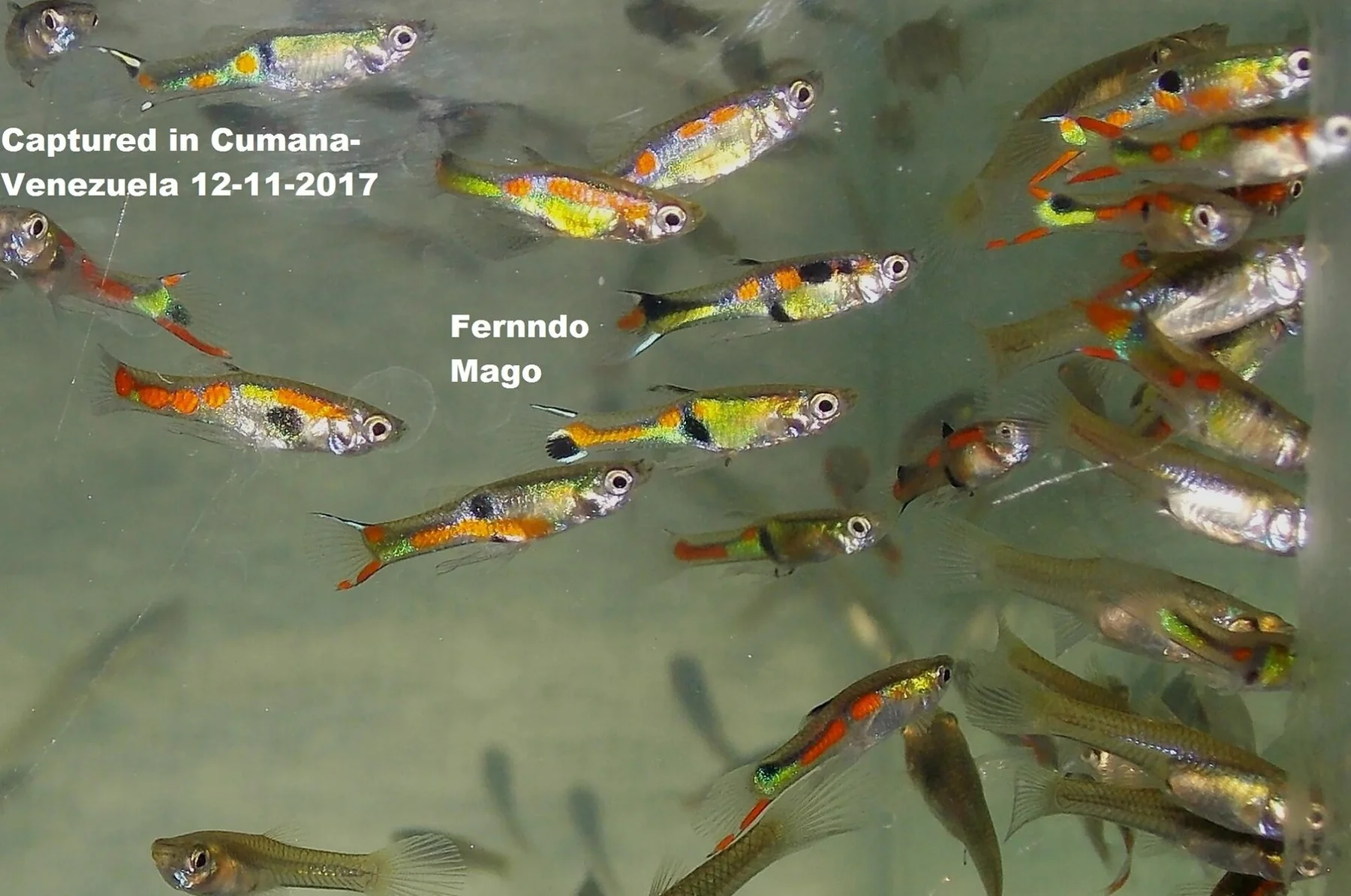
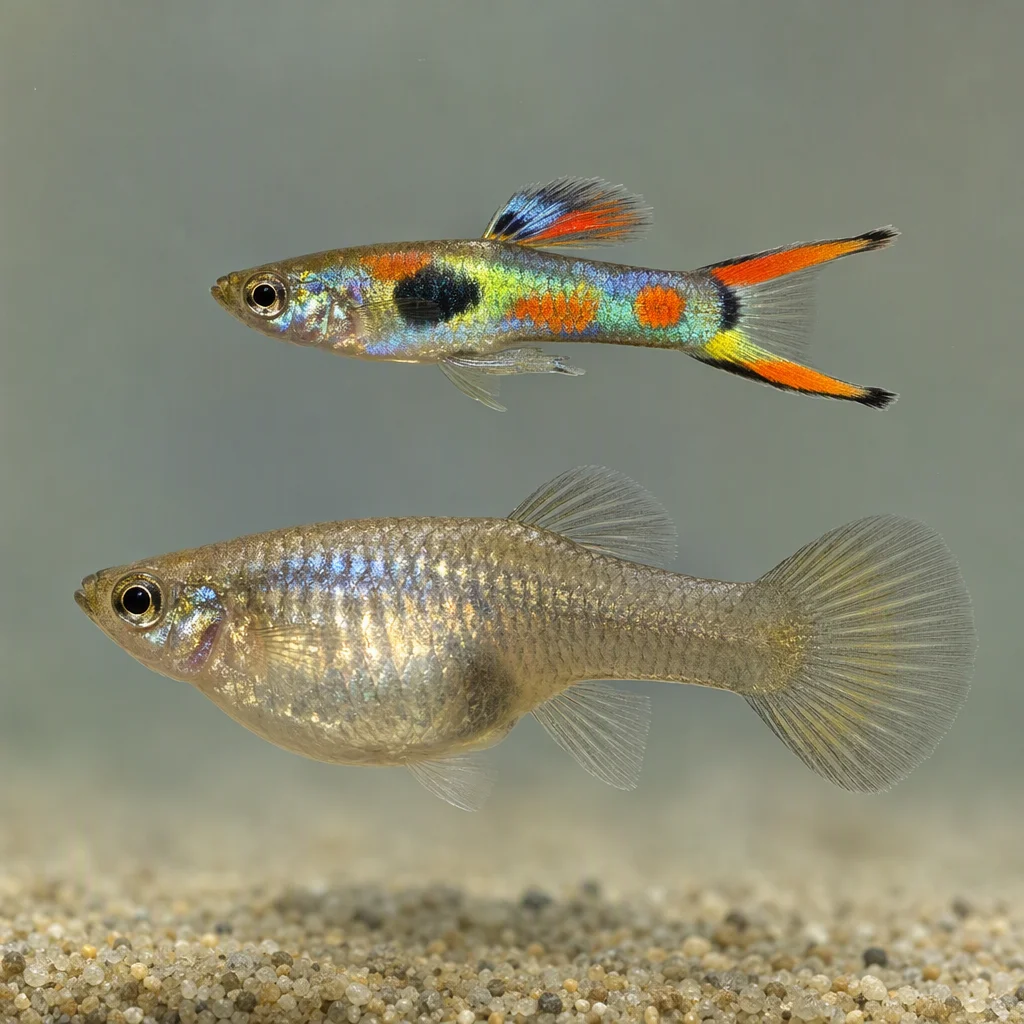
CompatibilityEndler's guppies are peaceful schooling fish suitable for nano aquariums and community tanks with small non-aggressive species. Good neighbors include tetras, rasboras, danios, small corydoras, and cherry shrimp. They must not be kept with large predators (cichlids, large gouramis) which may see endlers as food, or with active barbs that nip fins. It is strictly forbidden to keep with common guppies (Poecilia reticulata) due to hybridization. Males can be kept in a separate group without females—they do not conflict. The recommended ratio is 1 male to 2–3 females.
Plant safetySafe
Plant-eating behaviourEndler's guppies do not damage or eat higher aquarium plants. In nature, they feed on zoobenthos, detritus, and algae; in the aquarium, they may nibble soft algae on leaves and decorations, but healthy plants are not touched. Plant components (spirulina, plant flakes) are essential in their diet, but this does not mean they eat the plants themselves.
Interaction with invertebratesEndler's guppies peacefully coexist with small invertebrates: shrimps (e.g., cherry neocaridina) and snails. The fish do not show aggression towards adult shrimps and do not damage them. However, fry and very small shrimps may be considered potential prey, so shelters are necessary when kept together. In nature, their diet includes small invertebrates (insect larvae, small worms).
 Reference illustration · may contain inaccuracies