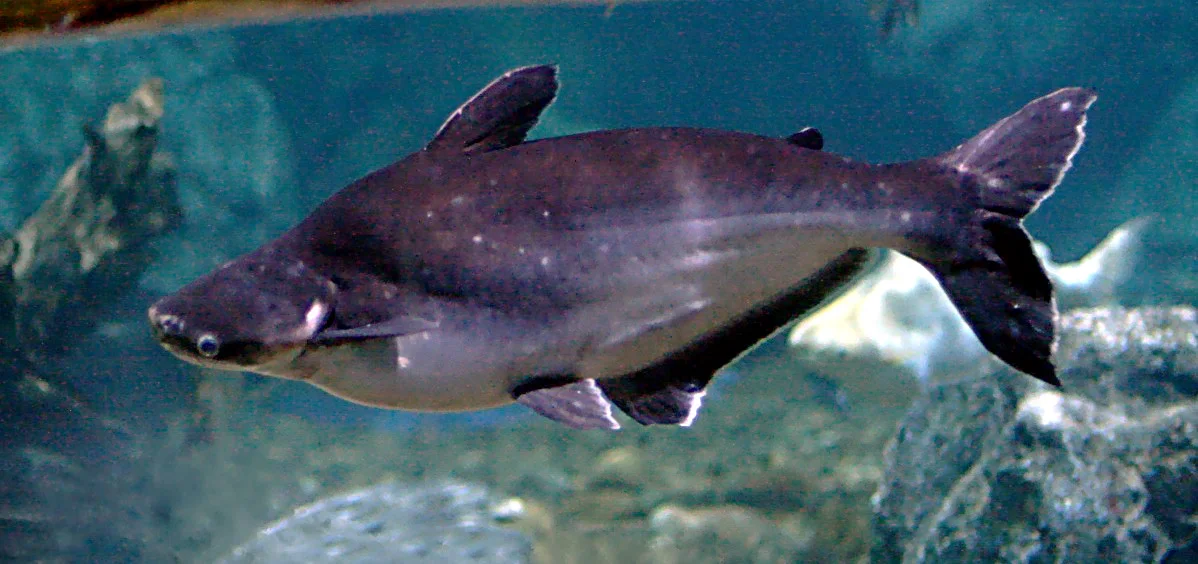
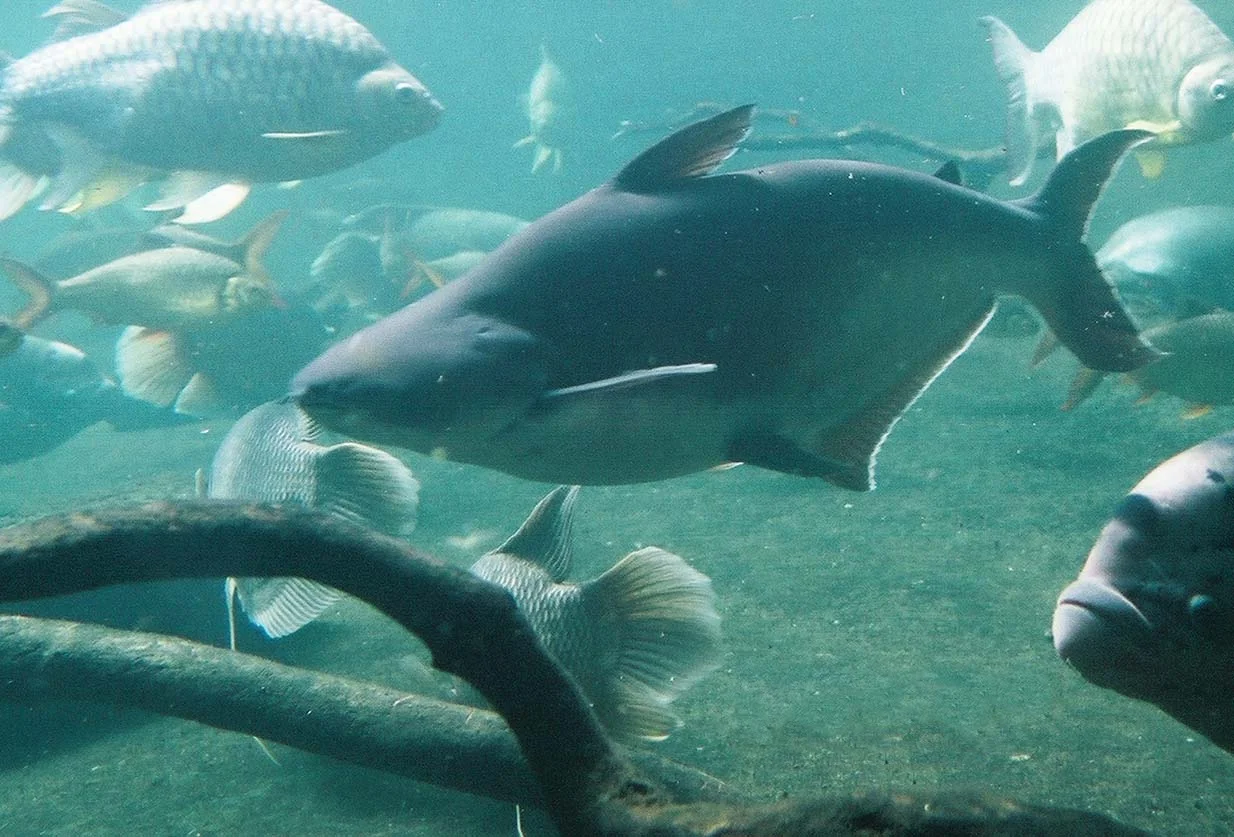
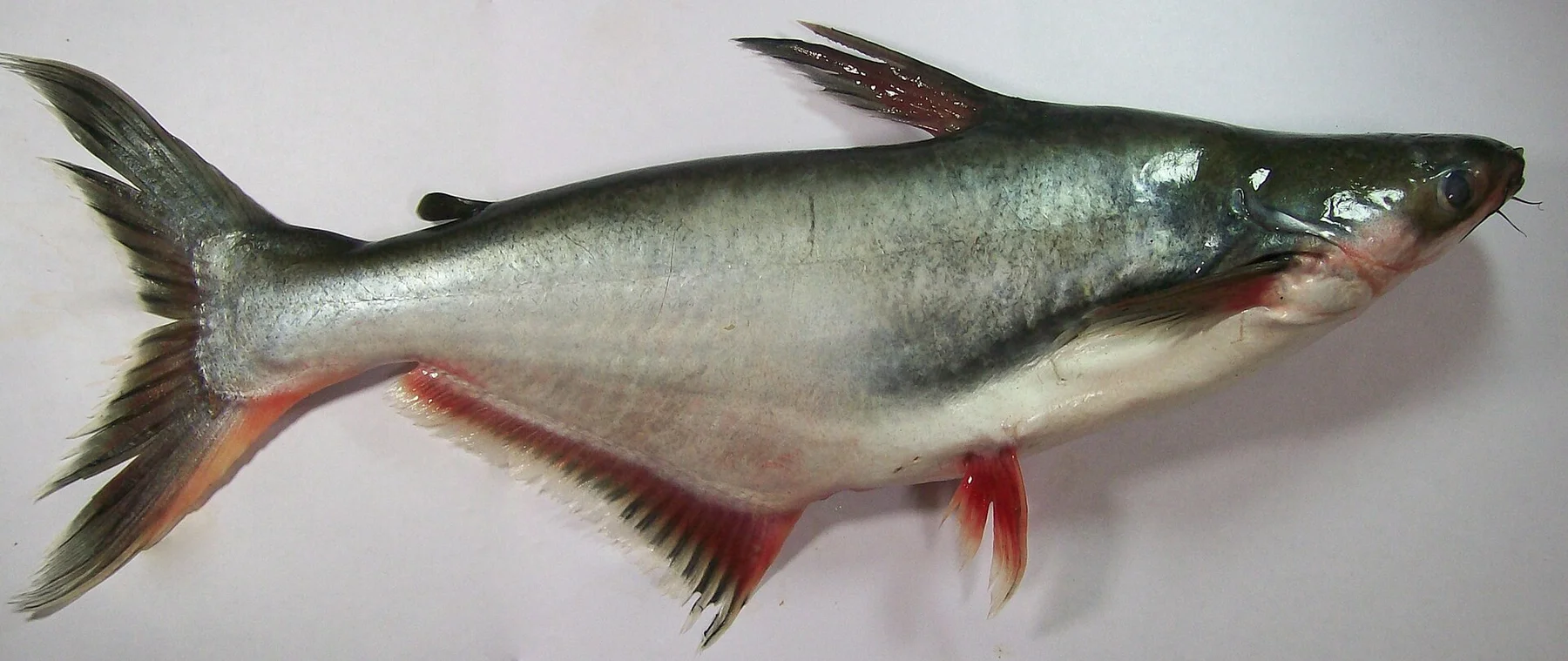
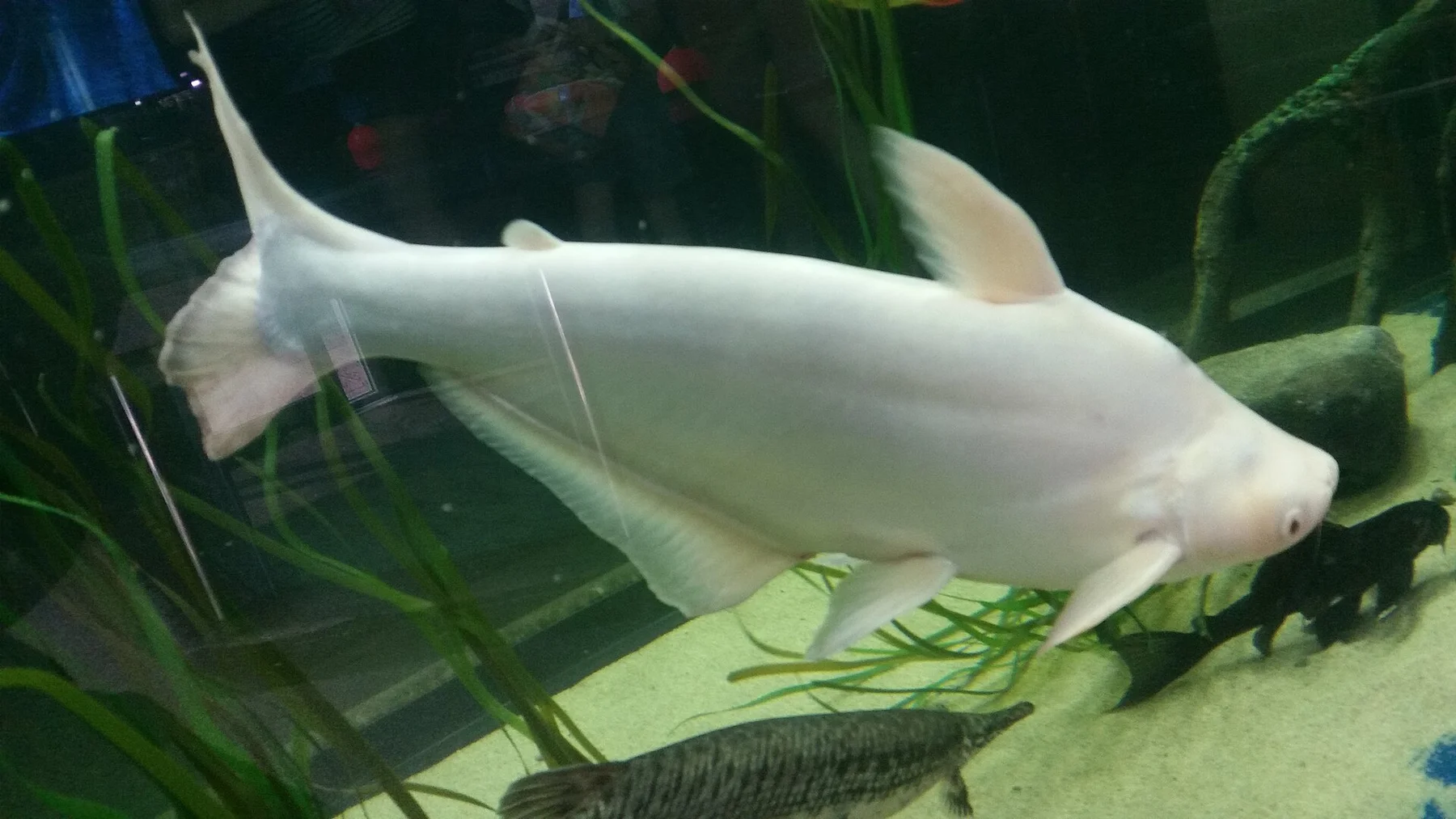
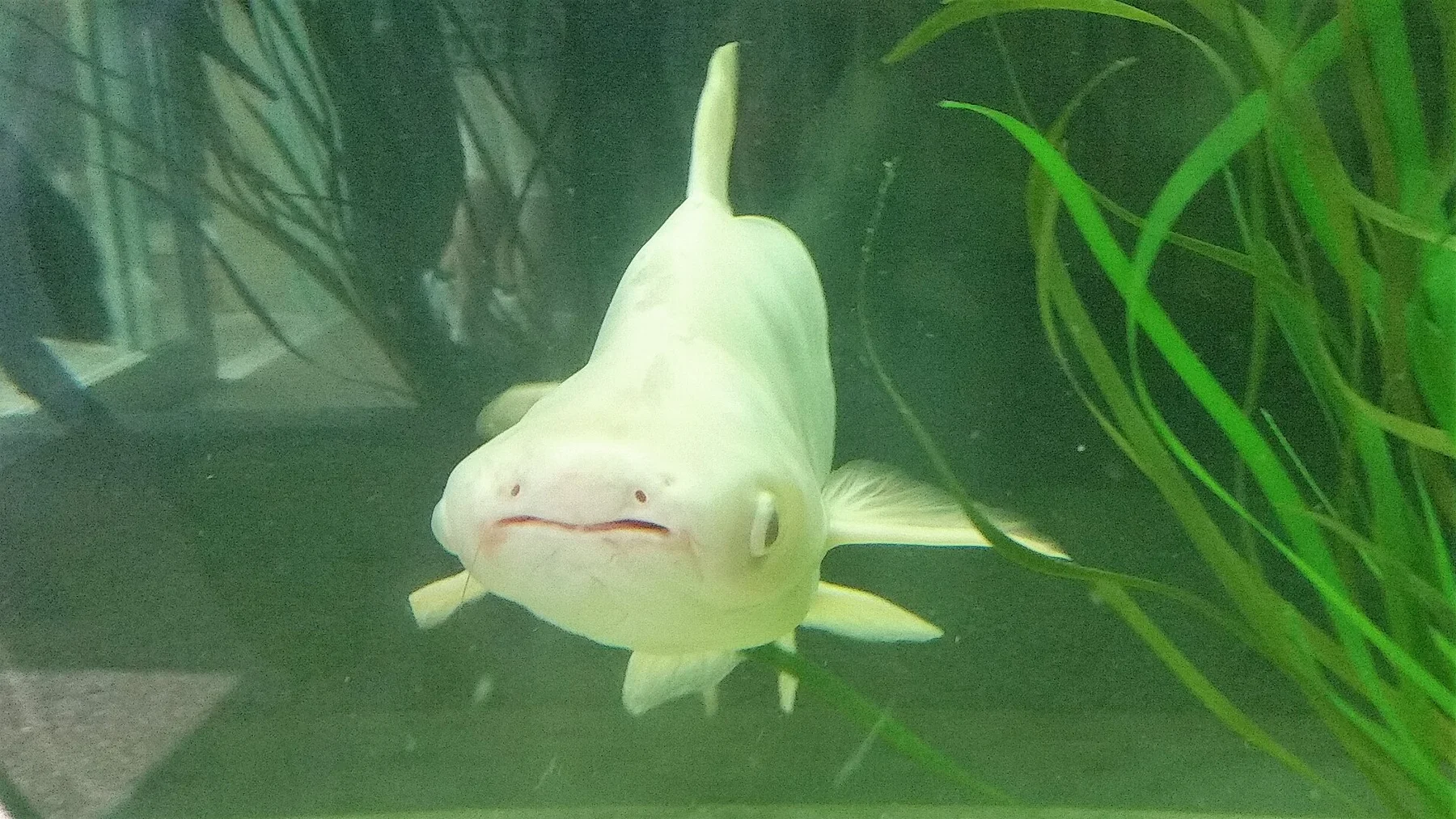
Overview
TemperamentConditionally peaceful
Social modelGroup
Minimum group size5
Adult size100–130 cm
Primary swimming zoneMid
DietOmnivore
Care
Minimum aquarium volume5,000–15,000 L (allowed 1,500–15,000 L)
Suitable aquarium proportionsLong
Water temperature22–26 °C
pH6.5–7.5
General hardness2–29 °dGH (allowed 2–30 °dGH)
Oxygen demandOrdinary
FeedingOmnivorous species. Juveniles require more animal protein: chopped bloodworms, tubifex, Artemia, quality sinking tablets and pellets. As they grow, the proportion of plant food increases: spinach, frozen peas, spirulina-based feeds, and sometimes fruit pieces. Adults mainly consume plant-based floating pellets.
Compatibility
CompatibilityPeaceful but extremely skittish and active pelagic species. It eats small fish that fit in its mouth; it disturbs peaceful and slow-moving neighbors with constant movement. It is easily frightened by aggressive or noisy species. Best tank mates are large, peaceful, active fish: danios, pacu, large barbs, labeo, loricariids. Keeping in groups reduces skittishness but requires a very large aquarium.
Plant safetySafe
Plant-eating behaviourOmnivorous: juveniles consume more animal food (zooplankton, crustaceans, larvae), and as they grow, the plant matter proportion increases; adults are offered vegetables, spinach, peas, and spirulina-based feeds.
Interaction with invertebratesOmnivorous opportunistic predator: in the wild, it preys on crustaceans, shrimp, and other aquatic invertebrates, so any sufficiently small invertebrates in the aquarium will be perceived as food.
Incompatible groupsSmall fish that the adult pangasius can swallow; slow, shy, or inactive neighbors that it will constantly disturb with its activity; aggressive and territorial species (e.g., many cichlids) capable of injuring or intimidating this nervous catfish.
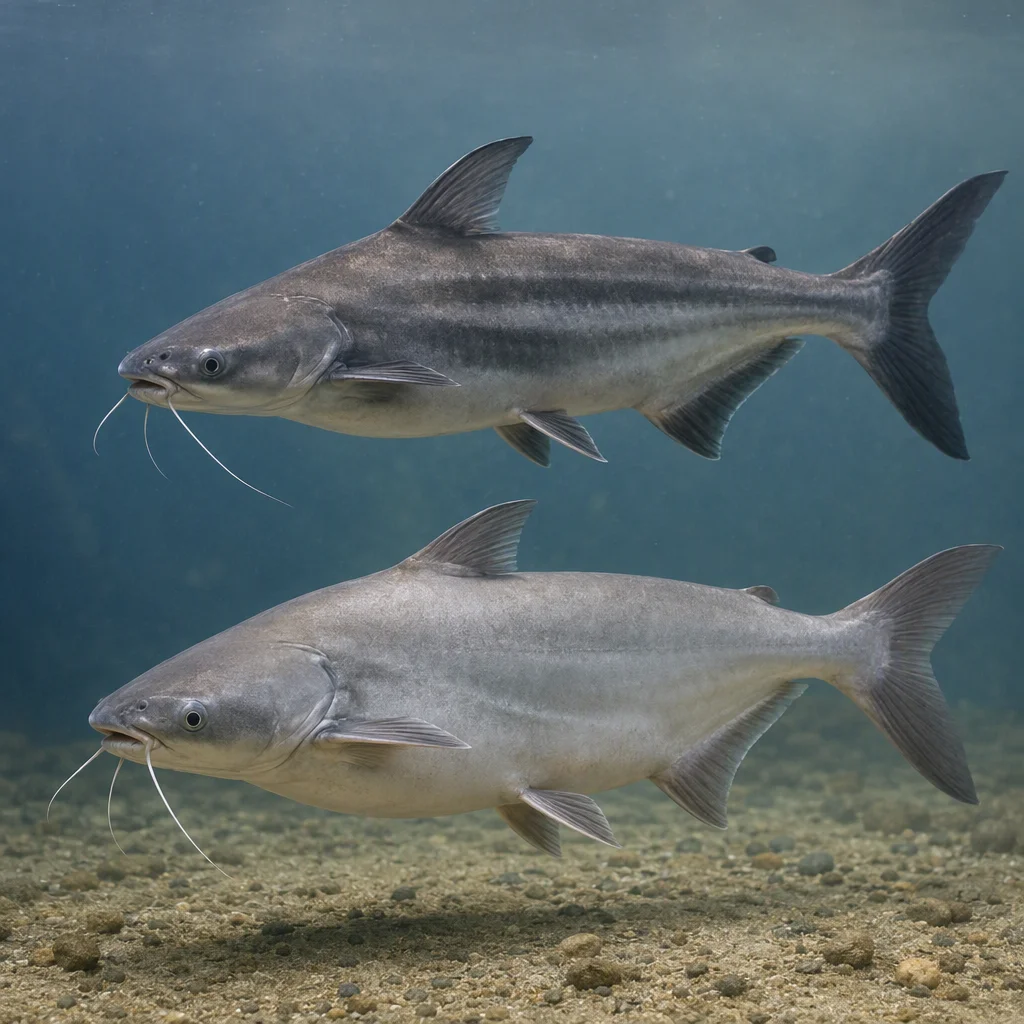 Reference illustration · may contain inaccuracies