Overview
TemperamentPeaceful
Social modelGroup
Minimum group size5
Adult size3.3–4 cm
Primary swimming zoneBottom
DietHerbivore
Care
Minimum aquarium volume40–100 L (allowed 30–200 L)
Suitable aquarium proportionsStandard, Long
Water temperature22–26 °C (allowed 20–28 °C)
pH6–7.5 (allowed 5.5–8)
General hardness5–12 °dGH (allowed 1–18 °dGH)
Oxygen demandElevated
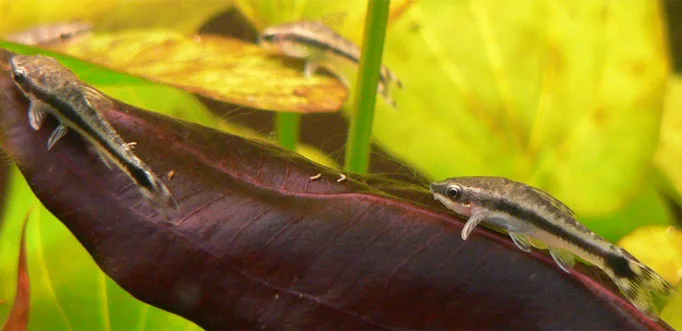
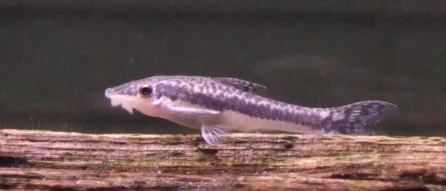
FeedingOtocinclus vittatus is an obligate herbivorous scraper: in nature, it feeds on diatoms and soft green algae, biofilm (aufwuchs) from the surfaces of stones, driftwood, and leaves. In an aquarium, algal growths are quickly depleted, so regular supplemental feeding is mandatory: sinking tablets for herbivorous catfish with spirulina (e.g., Tetra Pleco Veggie Wafers, Tetra Pleco Spirulina Wafers), blanched vegetables (zucchini, cucumber, spinach, lettuce leaves). Feeding should be done in the evening after lights out. A sign of underfeeding is a sunken belly; a well-fed fish has a rounded abdomen. Animal-based foods are not required and are poorly digested. The fish must not be introduced into a new aquarium without established biofilm—it will starve.
Compatibility
CompatibilityOtocinclus is an exceptionally peaceful schooling fish, safe for small non-aggressive tankmates, shrimp, fry, and the most delicate plants. Good tankmates: small characins (neons, tetras), rasboras, Corydoras, dwarf cichlids, livebearers, shrimp. Inadmissible: large and predatory fish capable of swallowing the Otocinclus, medium and large cichlids, overly active species competing for food, and large armored catfish (plecos) that displace it from feeding surfaces. It is not recommended to add other algae eaters—the timid Otocinclus will lose the competition for food.
Plant safetySafe
Plant-eating behaviourOtocinclus are typical algae eaters: they scrape soft green and diatom algae, bacterial film (aufwuchs) from leaves, glass, wood, and decorations with their suckermouth. They do not damage ornamental plants and are considered safe for plants; if algae are scarce, supplemental plant-based food (blanched zucchini, cucumber, spinach, spirulina tablets) is needed, otherwise they may starve.
Interaction with invertebratesOtocinclus are considered some of the safest species to keep with small freshwater shrimp (including Neocaridina): they do not hunt them and almost do not eat even newly hatched fry. They peacefully coexist with shrimp and other small invertebrates. In some cases, with insufficient food, competition with other algae eaters may occur, but not predation on invertebrates.
Incompatible groupsAvoid keeping with large, aggressive, or overly active fish that may see Otocinclus as food or disturb them: large cichlids, big catfish, active barbs. Also undesirable are neighbors that create strong competition for food — Otocinclus are slow and may remain hungry. It is not recommended to keep with other more mobile algae eaters (e.g., Gyrinocheilus, large Ancistrus) that will dominate the feeding niche.