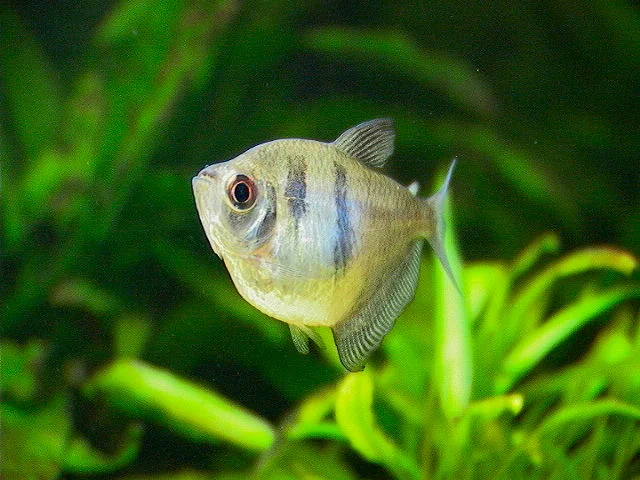
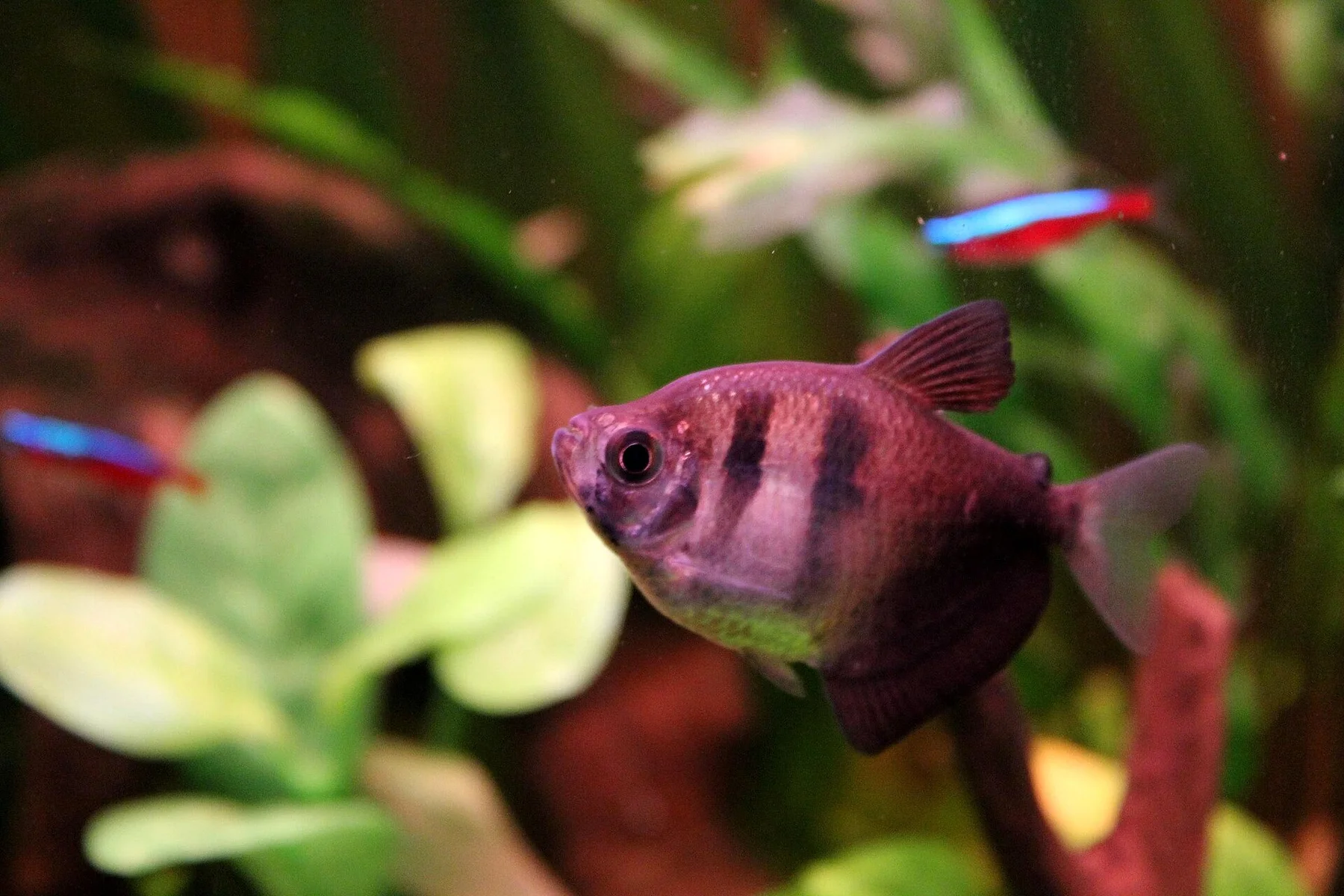
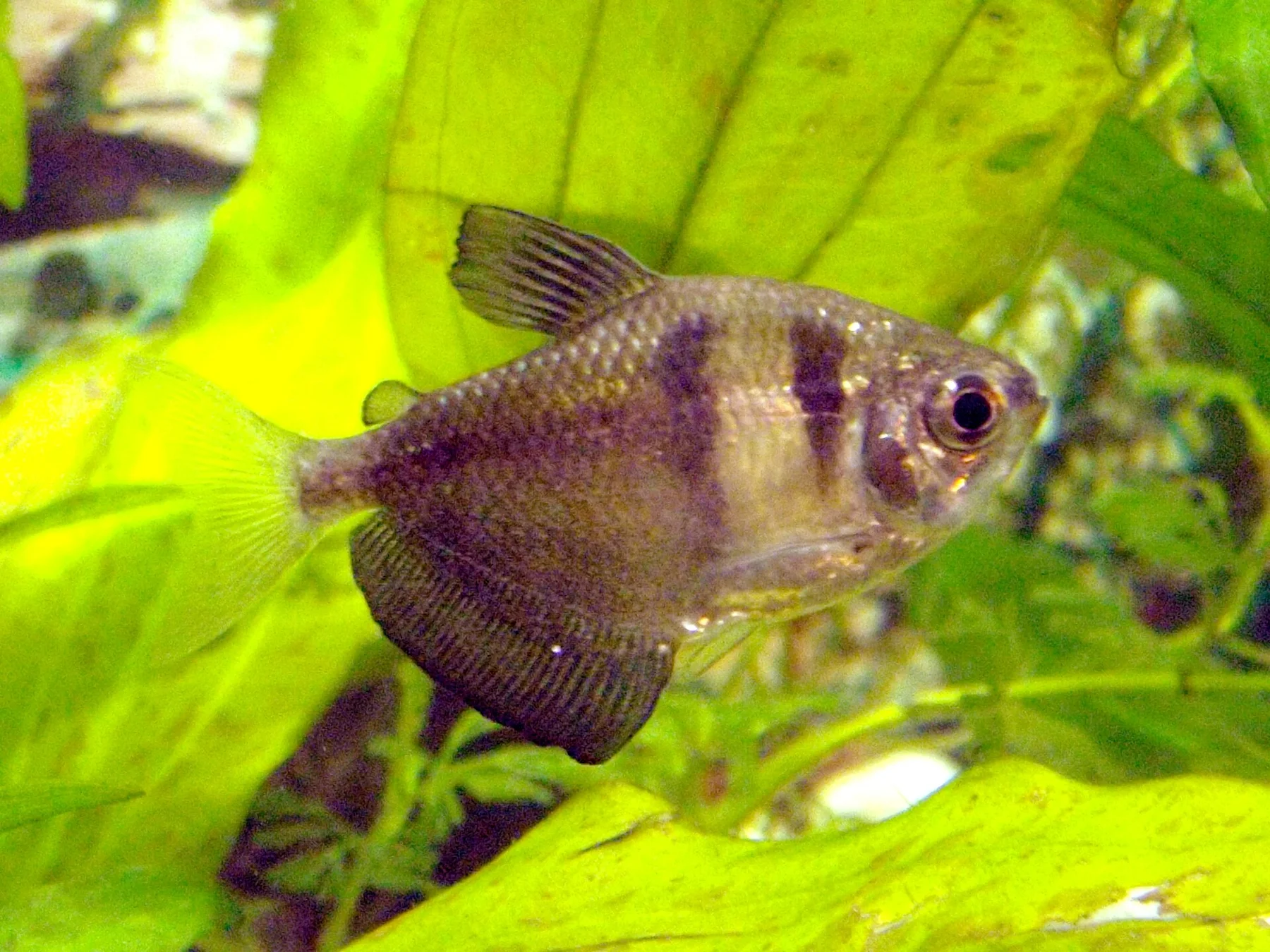
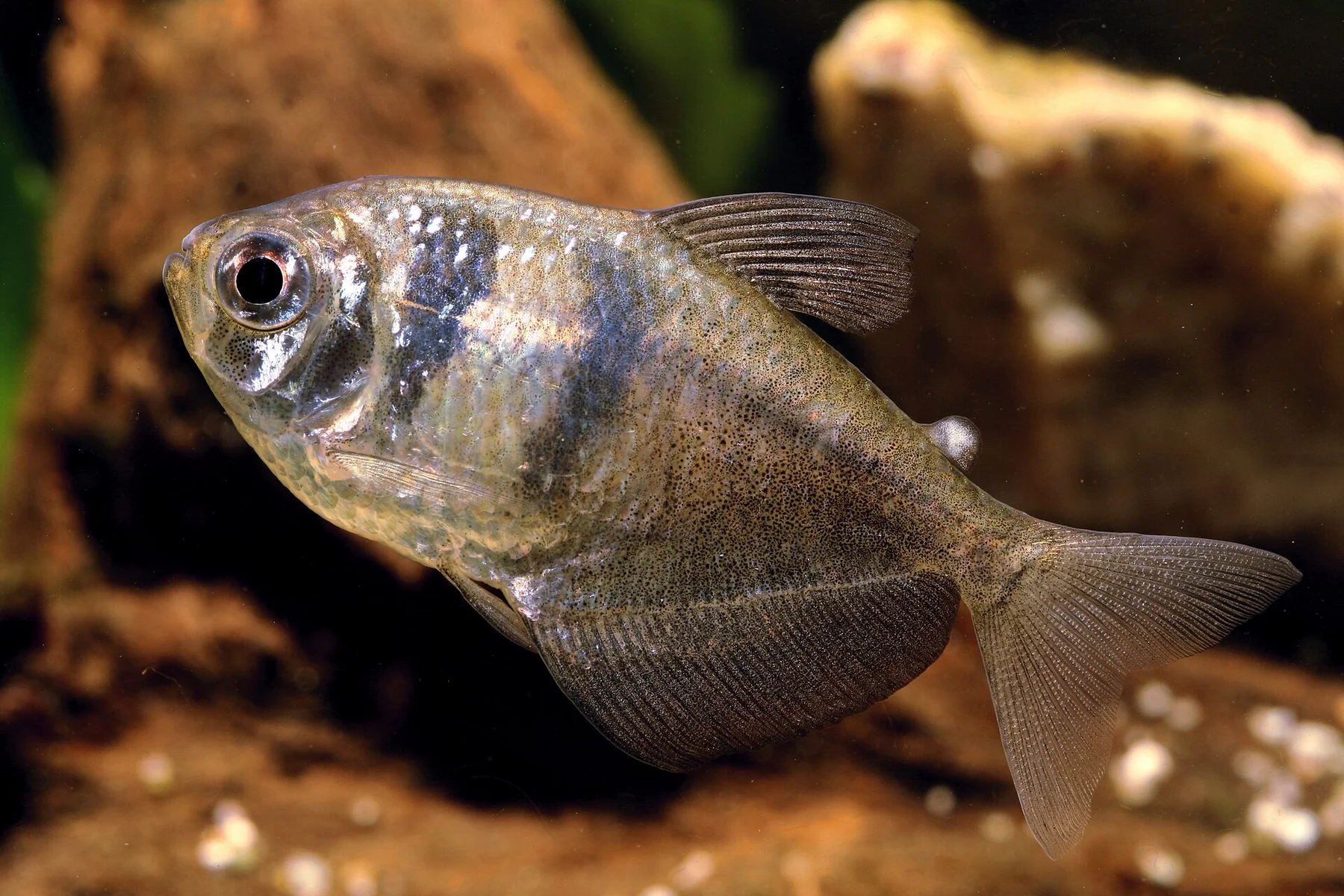
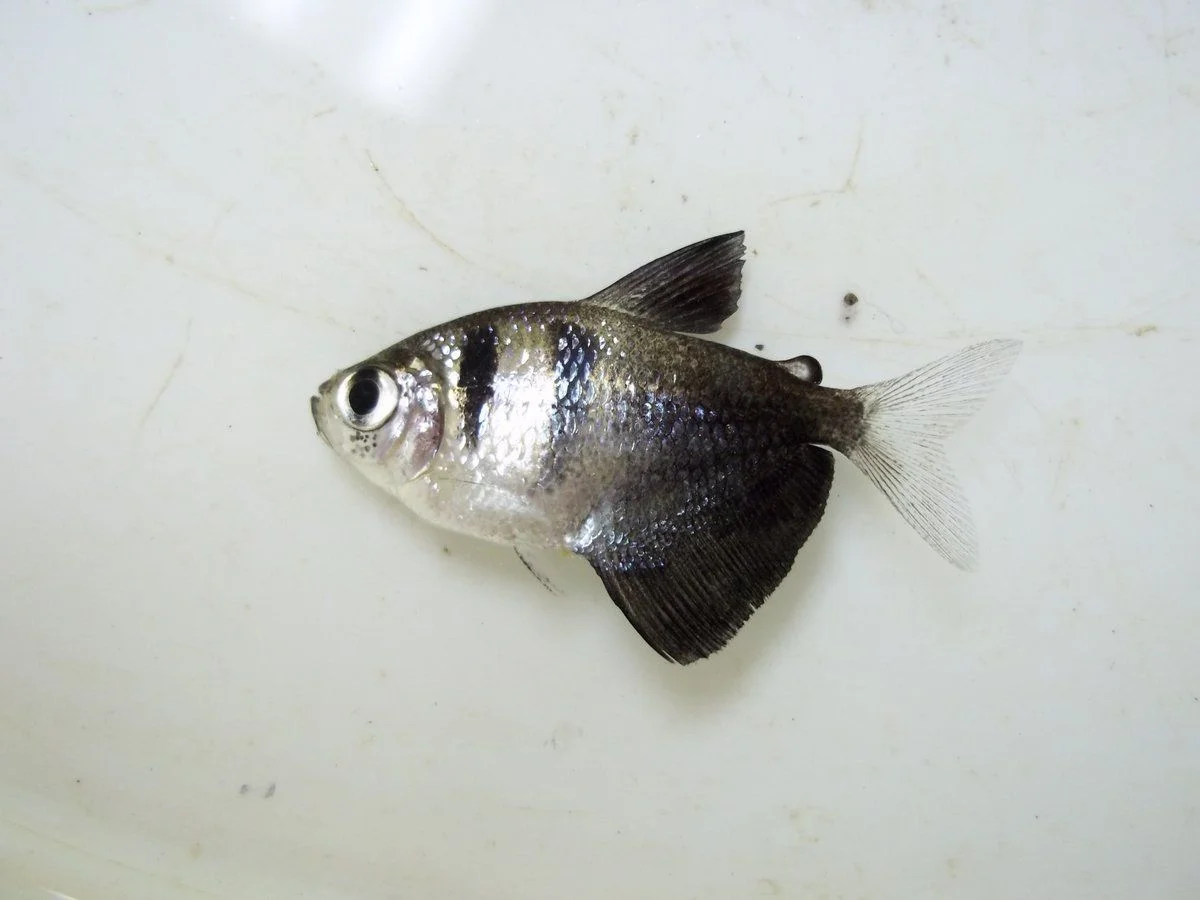
Overview
TemperamentConditionally peaceful
Social modelGroup
Minimum group size6
Adult size5–7.5 cm
Primary swimming zoneMid
DietOmnivore
Care
Minimum aquarium volume70–100 L (allowed 60–120 L)
Suitable aquarium proportionsStandard, Long
Water temperature22–26 °C (allowed 20–26 °C)
pH6–7 (allowed 6–8)
General hardness5–19 °dGH (allowed 5–20 °dGH)
Oxygen demandOrdinary
FeedingOmnivorous species. The main diet should consist of high-quality flakes/granules with high protein content; regularly add small live and frozen foods (daphnia, bloodworms, Artemia), as well as plant-based components (foods with spirulina). Feed so that the food remains at the surface and in the middle layers for some time, where the fish feed.
Compatibility
CompatibilityPeaceful and active schooling fish suitable for a community aquarium; keep in groups of 6 (preferably 8–12) individuals. They are compatible with livebearers, danios, rasboras, other tetras, and peaceful bottom dwellers (corydoras, loricariids). Avoid slow-moving and veil species (bettas, guppies, veil angelfish/gouramis) — their fins will be nipped; do not keep with fry or very small species.
Plant safetySafe
Plant-eating behaviourTernetia is a micro-predator/omnivorous fish that in nature feeds on worms, small crustaceans, and insects; it does not eat aquarium plants but readily accepts plant-based foods (spirulina flakes) and may nibble on filamentous algae.
Interaction with invertebratesTernetia is a micro-predator, feeding in nature on small crustaceans, worms, and insects. In the aquarium, it may eat small shrimp (especially juveniles and molting individuals) and tiny snails; larger adult shrimp often survive, but no guarantees. Keeping with decorative shrimp is risky.
Incompatible groupsSlow-moving, peaceful fish and species with long veil fins (betta, veil-tailed guppies, some angelfish, discus, gouramis) are considered poor tank mates; in small groups or solitary, tetras tend to nip fins. It is also not recommended to keep tetras with fry or very small species, and veil-tailed forms should not be kept with fin-nipping neighbors. When kept in groups of 6–8 or more, aggression is usually directed inward.
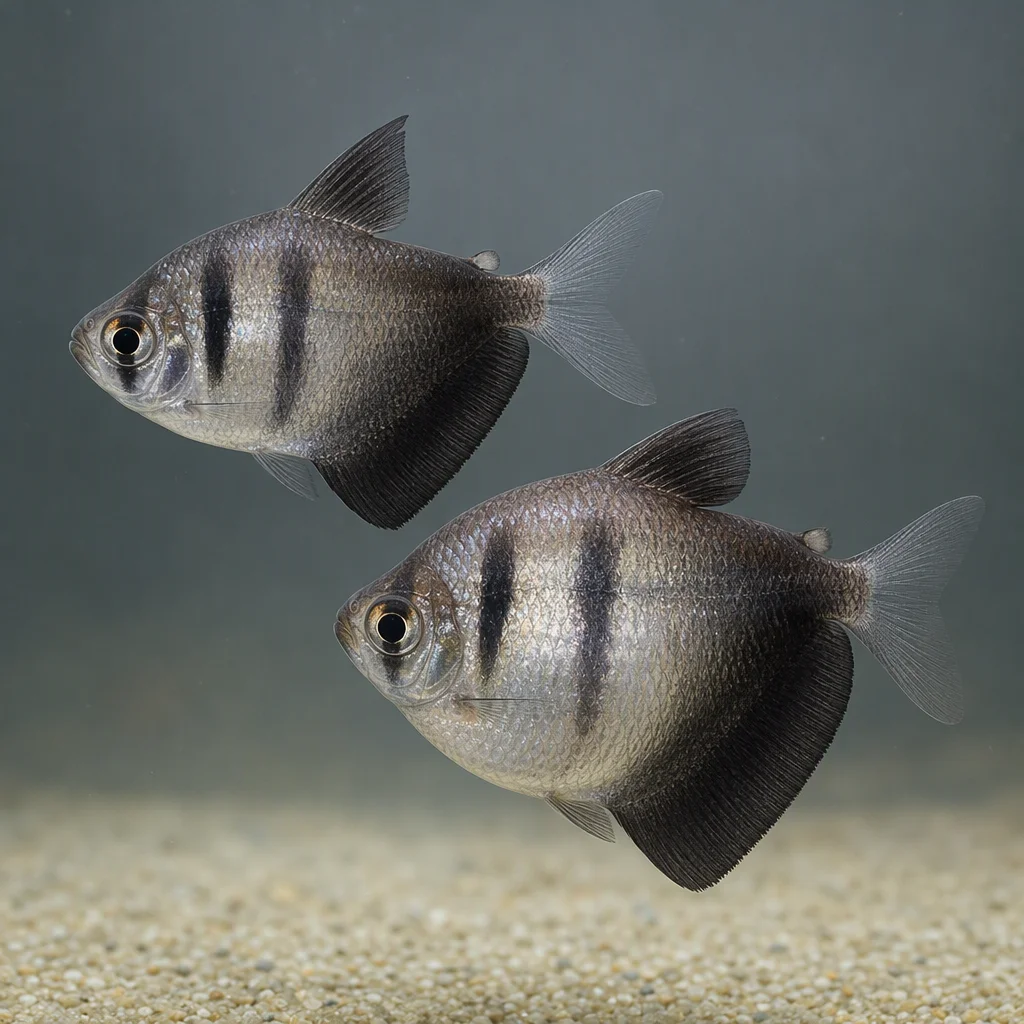 Reference illustration · may contain inaccuracies